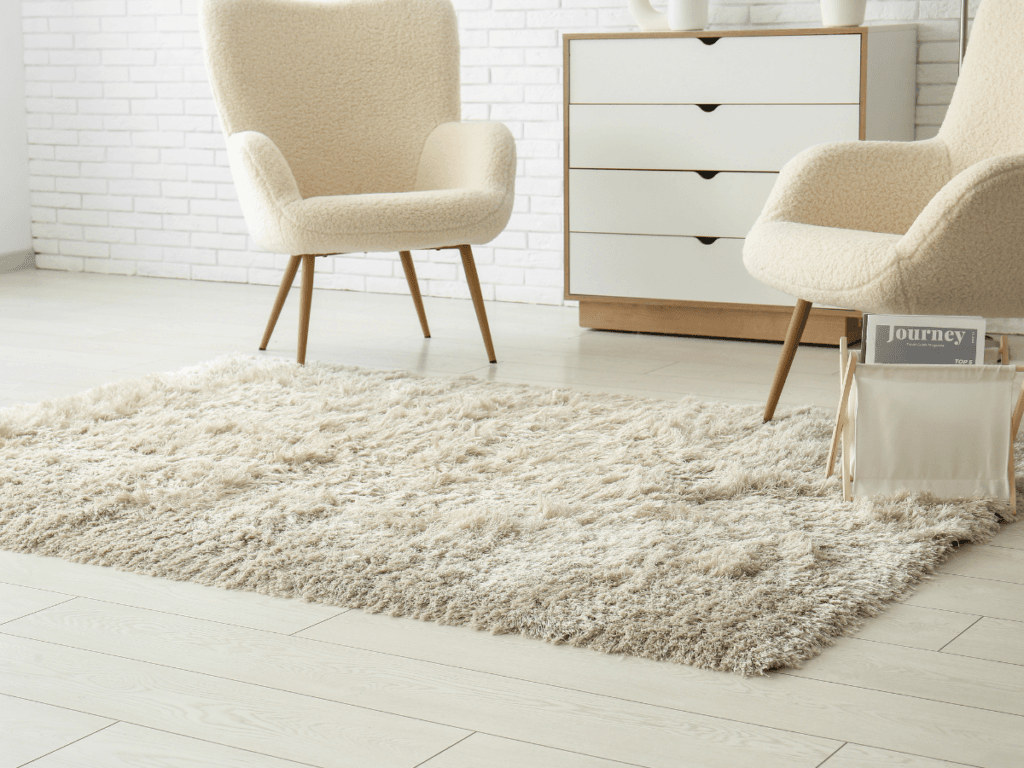
Most people focus on the carpet they can see, but what’s underneath plays just as important a role.
Carpet padding affects how your floors feel, how they wear over time, and even how well they handle noise and insulation. Choosing the right padding can make the difference between a surface that feels soft and supportive and one that quickly shows signs of wear.
This carpet flooring padding guide for comfort and durability breaks down what to consider before making a decision. Density, thickness, and material all influence how well your carpet performs in different areas of your home.
With the right foundation in place, your carpet installation not only looks better but also lasts longer and feels more comfortable underfoot every day.
Carpet padding, sometimes called carpet cushion, is the layer installed beneath the carpet that supports the surface above it.
While it is not visible once the flooring is in place, it plays a major role in how the carpet feels and performs over time. A well-chosen pad improves comfort, reduces noise, and helps the carpet hold its shape.
Any carpet flooring padding guide will point out that padding is not just an extra layer. It acts as a buffer between the carpet and the subfloor, absorbing impact from daily use. Without it, carpets tend to wear out faster and feel less comfortable underfoot.
In practical terms, the right padding helps maintain the look of the carpet while also making the space feel quieter and more stable.
One of the main reasons homeowners invest in padding is comfort. The cushioning effect softens each step, which can make a noticeable difference in areas where people stand or walk frequently.
This added support can also reduce strain on joints, especially in living spaces where comfort is a priority.
Beyond comfort, padding plays a protective role. It absorbs pressure that would otherwise be transferred directly to the carpet fibers. Over time, this helps reduce flattening and uneven wear.
A reliable carpet flooring padding guide will often emphasize that durability is closely tied to the quality of the padding underneath. Even a high-quality carpet can lose its appearance more quickly if the padding does not provide enough support.
Choosing the right padding involves understanding a few basic characteristics. These factors influence how the padding performs and how well it supports the carpet over time.
Important attributes include:
Density is often more important than thickness. A denser pad typically provides better long-term support, even if it is not as thick. Thickness, on the other hand, can enhance comfort but needs to be balanced with the type of carpet being installed.
Different materials offer different benefits, which is why they are often highlighted in any carpet flooring padding guide. Each option is designed to meet specific needs, depending on the room and level of use.
Rebond foam is one of the most widely used materials. It is made from recycled foam and provides a balance of comfort and durability. Memory foam offers a softer feel and can add extra cushioning, making it a popular choice for bedrooms or low-traffic areas.
Felt padding is another option, often used in areas that require more stability. It tends to be firmer and works well under certain types of carpet where support is more important than softness.
Understanding these materials helps homeowners match the padding to the intended use of the space.
Padding may not be visible, but it directly affects how a carpet performs day to day. It influences comfort, reduces noise, and helps maintain the overall structure of the flooring.
A well-informed carpet flooring padding guide makes it easier to choose a padding type that fits both the carpet and the space. By paying attention to density, thickness, and material, homeowners can create a more comfortable and longer-lasting flooring setup.
In the end, the right padding supports both the look and feel of the carpet, making it a key part of any flooring decision.
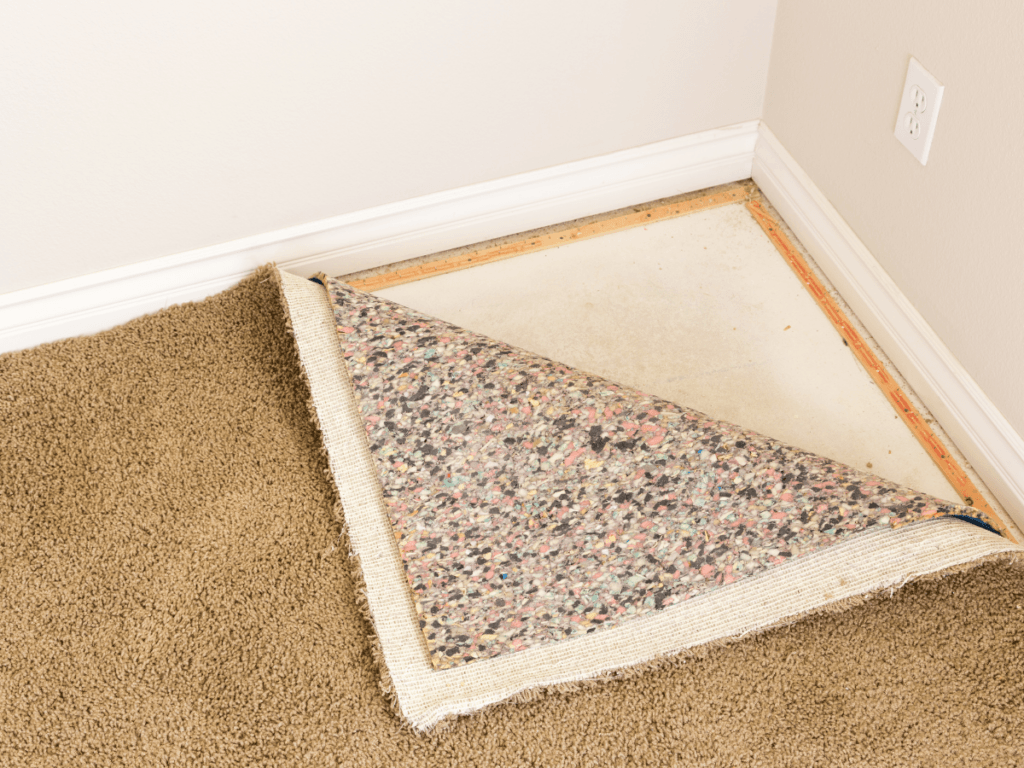
Selecting the right padding is a key step in any flooring project. The type of cushion beneath your carpet affects how it feels, how long it lasts, and how well it holds up under daily use. A reliable carpet flooring padding guide helps narrow down the options by focusing on comfort, support, and long-term performance.
Different padding types are designed for different situations. Some are built for durability in high-traffic areas, while others focus more on softness and comfort. Understanding these differences makes it easier to choose a padding that fits your space.
Rebond foam is one of the most commonly used padding materials in residential settings. It is made from recycled foam pieces that are bonded together, creating a dense and supportive base. This structure gives it a balance of comfort and durability that works well in many areas of the home.
One of the main advantages of rebond padding is its ability to handle frequent use. In hallways, living rooms, and other busy spaces, it helps the carpet maintain its shape over time. It absorbs pressure from foot traffic, which reduces wear on the carpet fibers.
Another benefit is flexibility. Rebond padding comes in different thickness levels, allowing homeowners to choose how soft or firm they want the surface to feel. A carpet flooring padding guide will often recommend rebond as a reliable option for general use because it performs well across a variety of conditions.
Memory foam padding offers a different experience. It is designed to provide a softer, more cushioned feel by adapting to the shape of your foot. This creates a more comfortable surface, which is why it is often used in spaces where people want a more relaxed and supportive feel.
Bedrooms and low-traffic living areas are common places for memory foam padding. In these settings, comfort tends to be a higher priority than durability. The material helps reduce pressure underfoot, which can make standing or walking more comfortable over time.
However, memory foam may not be the best choice for areas with heavy use. Over time, repeated pressure can cause it to compress, which can reduce its ability to provide consistent support. A well-rounded carpet flooring padding guide will usually highlight this tradeoff between comfort and long-term durability.
Choosing between rebond foam and memory foam often comes down to how the space is used. Each type performs well in specific conditions, so matching the padding to the room is an important step.
Rebond padding tends to perform better in areas where durability is needed. It supports the carpet and helps maintain its structure even with regular traffic. Memory foam, on the other hand, is better suited for spaces where comfort is the main goal.
Understanding this difference helps avoid common issues such as uneven wear or loss of support. It also ensures that the carpet continues to perform as expected over time.
A good carpet flooring padding guide does not focus on one option alone. Instead, it helps homeowners find the right balance between comfort and durability based on their specific needs.
In some cases, that may mean using different types of padding in different rooms. High-traffic areas may benefit from denser materials, while quieter spaces can prioritize softness. This approach allows each area of the home to function as intended.
By considering how each type of padding performs, homeowners can make more informed choices. The right selection supports both the feel and lifespan of the carpet, making it an important part of the overall flooring decision.
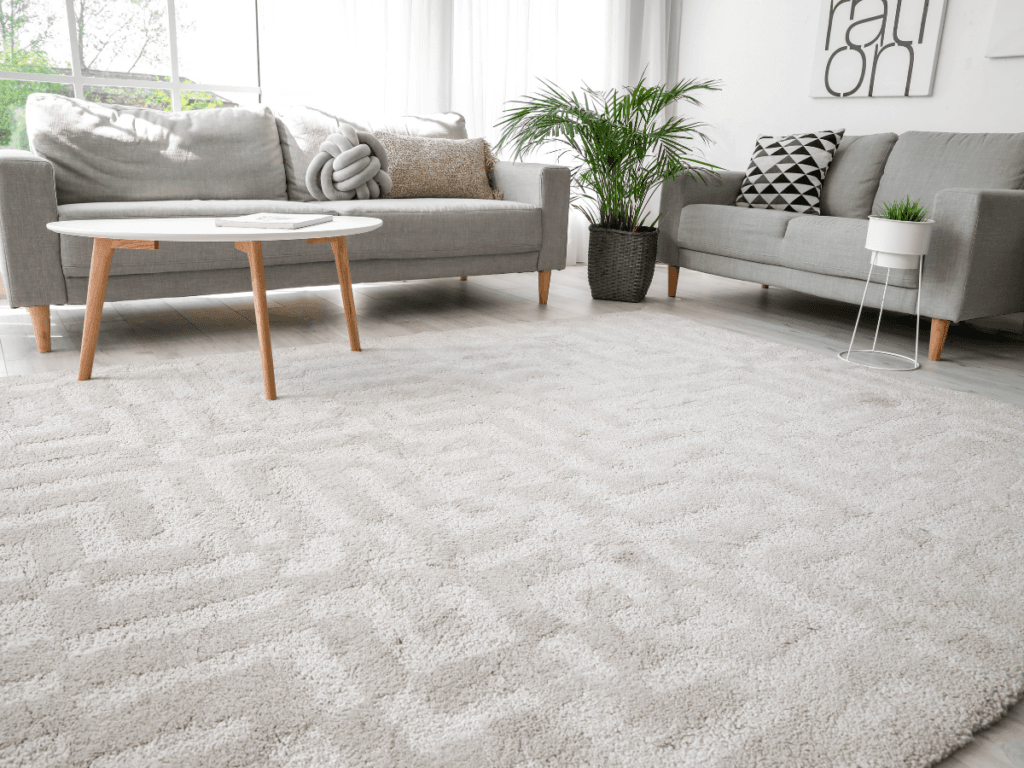
When choosing padding, thickness, and density are two of the most important factors to understand. They directly influence how the carpet feels underfoot and how well it holds up over time. A good carpet flooring padding guide will usually focus on these two elements because they determine both comfort and durability.
While they are often discussed together, thickness and density serve different purposes. Thickness relates to how soft the carpet feels, while density relates to how well the padding supports weight and resists wear. Finding the right balance between the two is what leads to better overall performance.
Density refers to how much material is packed into a given area of padding. Higher-density padding is generally more durable because it can handle pressure without breaking down quickly. This makes it especially useful in areas where the carpet sees regular use.
In practical terms, denser padding helps prevent the carpet from flattening or developing uneven spots. It supports the fibers above it, which helps maintain the carpet’s appearance for a longer period.
This is why many recommendations in a carpet flooring padding guide emphasize density over thickness when durability is the priority.
Lower-density padding may feel softer at first, but it can compress more easily. Over time, this can lead to visible wear and reduced support. For spaces that experience frequent foot traffic, choosing a higher-density option is usually the more reliable choice.
Thickness plays a different role. It affects how the carpet feels when you walk across it, adding a layer of cushioning between your feet and the floor. Thicker padding can make a space feel more comfortable, particularly in areas where people spend more time standing or walking.
However, thicker is not always better. If the padding is too thick, it can reduce stability and make the carpet feel less secure. This is especially noticeable with certain carpet styles that require a firmer base to perform properly.
A carpet flooring padding guide will often suggest matching the thickness to the type of carpet. Plush or softer carpets tend to work well with slightly thicker padding, while low-pile or more structured carpets benefit from a thinner, firmer base.
The key is finding the right combination of thickness and density rather than focusing on one factor alone. Padding that is both dense and appropriately thick can provide comfort while still maintaining strong support.
For example, a moderately thick pad with higher density can offer a good balance. It feels comfortable underfoot while still holding its shape over time. This type of combination is often recommended for general living areas where both comfort and durability matter.
Understanding how these two elements work together helps prevent common issues such as premature wear or a lack of support.
Different rooms have different needs, which is why padding choices should reflect how each space is used. High-traffic areas benefit from denser padding that can handle repeated use. Bedrooms or quieter spaces may allow for slightly thicker options that prioritize comfort.
A well-rounded carpet flooring padding guide will always take room function into account. This approach ensures that the padding supports both the carpet and the way the space is used.
Choosing the right padding is not just about comfort in the moment. It also affects how the carpet performs over time. By understanding thickness and density, homeowners can make decisions that improve both feel and longevity.
With the right balance, carpet padding can provide a stable, comfortable surface that holds up well under daily use. Taking the time to evaluate these factors helps create a flooring setup that works better in the long run.
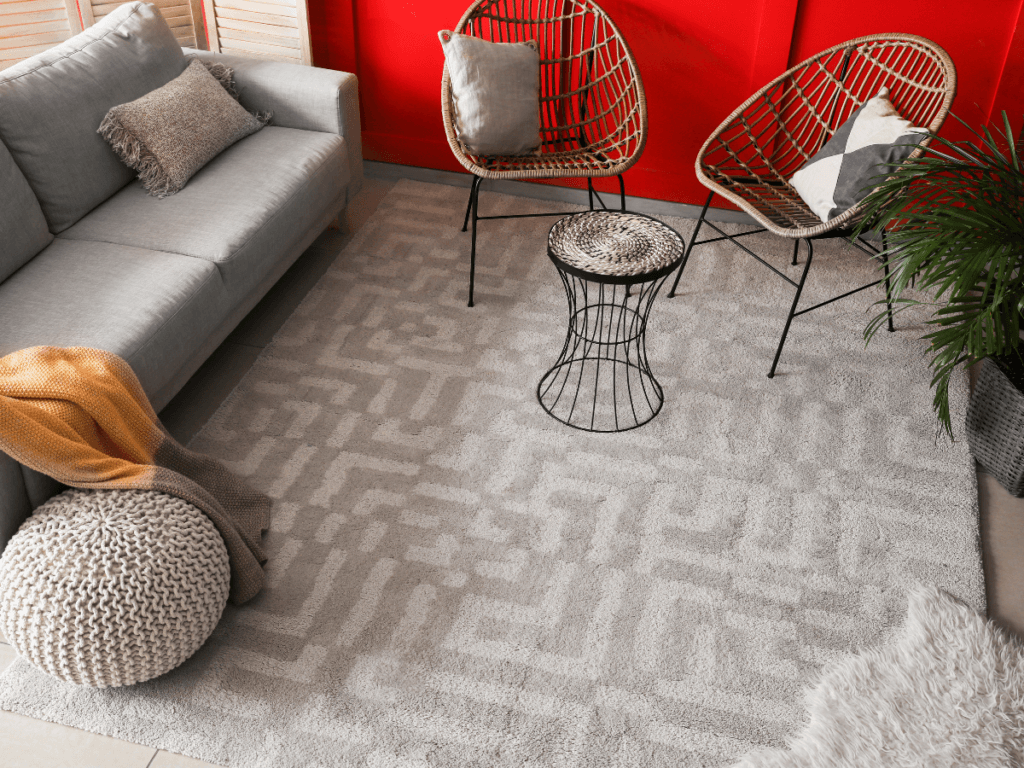
Carpet underlayment is often overlooked, but it has a direct impact on how flooring performs day to day. A well-made underlayment improves comfort, supports the carpet structure, and helps the surface hold up over time. Any thorough carpet flooring padding guide will highlight underlayment as a key part of a successful installation.
Rather than being just an added layer, underlayment acts as a foundation. It absorbs movement, reduces strain on carpet fibers, and helps maintain a more consistent feel across the floor. This makes it an important factor in both short-term comfort and long-term durability.
One of the main benefits of quality underlayment is its ability to protect the carpet from wear. Every step puts pressure on the surface, and without proper support, that pressure is transferred directly to the fibers. Over time, this can lead to flattening, matting, and visible damage.
Padding works by absorbing that impact before it reaches the carpet. This reduces friction and helps the fibers maintain their structure. As a result, the carpet tends to look better for longer and requires fewer flooring repairs or early replacement.
A carpet flooring padding guide often emphasizes that even a high-quality carpet can wear out quickly if the padding underneath is not strong enough. Investing in better underlayment helps preserve the appearance and performance of the flooring.
Comfort is another noticeable benefit. Underlayment creates a softer surface that makes walking or standing more comfortable. This can be especially important in areas where people spend a lot of time, such as living rooms or bedrooms.
The added cushioning also helps reduce fatigue. Instead of a firm, unyielding surface, the floor has a slight give that supports natural movement. Over time, this can make a space feel more inviting and easier to use.
In a carpet flooring padding guide, comfort is often linked to both thickness and material choice. The right combination creates a surface that feels balanced rather than overly soft or too firm.
Underlayment also contributes to temperature control. The layer beneath the carpet helps trap heat, which can make rooms feel warmer, especially during colder months. This added insulation can improve overall comfort without relying entirely on heating systems.
By reducing heat loss through the floor, padding helps maintain a more stable indoor environment. This is particularly useful in spaces with colder subfloors, where the difference can be felt more easily.
A well-chosen underlayment supports this function without affecting the structure of the carpet above it.
Noise reduction is another practical benefit. Carpet already helps absorb sound, but underlayment enhances this effect by reducing impact noise from footsteps and movement.
In multi-level homes or shared spaces, this can make a noticeable difference. Sound is less likely to travel between floors, which helps create a quieter and more comfortable environment.
Materials such as foam-based padding are often used for this purpose because they absorb vibration effectively. A carpet flooring padding guide will often include this feature as an added benefit for homeowners looking to improve sound control.
Underlayment supports more than just comfort or durability. It helps create a flooring system where each layer works together. The carpet provides the surface, while the padding underneath supports its structure and performance.
By choosing quality materials, homeowners can improve how their flooring looks, feels, and lasts over time. A well-informed carpet flooring padding guide makes it easier to understand these benefits and apply them to different spaces.
In the end, underlayment is a practical investment that supports both comfort and long-term value. It may not be visible, but it plays a major role in how flooring performs every day.
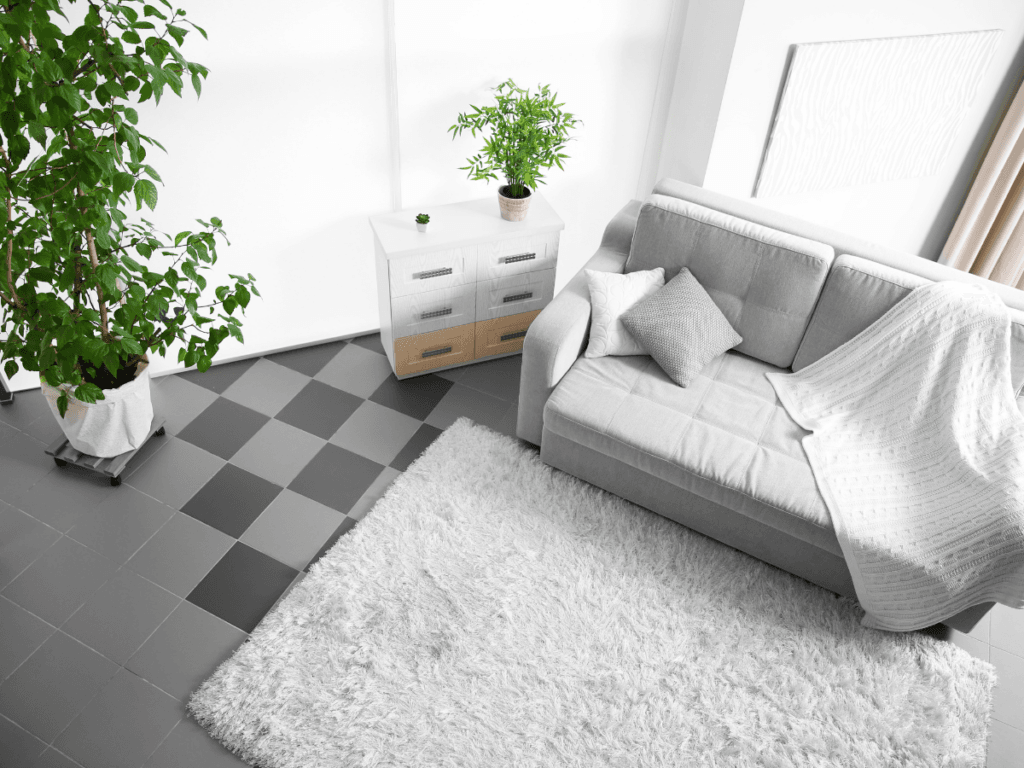
Not all rooms in a home have the same flooring needs. Traffic levels, moisture, and daily use can all affect how carpet performs. A practical carpet flooring padding guide takes these differences into account and helps match the right padding to each space.
Instead of using one type of padding everywhere, it often makes sense to choose based on how each room is used. This approach helps improve comfort while also extending the life of the carpet.
High-traffic areas such as hallways, stairs, and main living spaces place more stress on both carpet and padding. In these locations, durability becomes the main priority.
Rebond foam padding is a common choice for these areas because it offers strong support and holds up well under repeated use. Its structure helps distribute weight evenly, which reduces wear on the carpet above it.
Density plays an important role here. A denser pad provides better resistance to compression, helping the carpet maintain its shape over time. While softer padding may feel comfortable at first, it can break down more quickly in busy areas.
A carpet flooring padding guide will often recommend focusing on density over thickness in these spaces. This ensures that the flooring remains stable and continues to perform well even with regular use.
Basements and other moisture-prone areas require a different approach. In these spaces, resistance to moisture is just as important as comfort or durability.
Synthetic fiber pads and rubber-based cushions are often better suited for these environments. These materials are less likely to absorb moisture, which helps reduce the risk of mold and odors. They also tend to maintain their structure even when exposed to changing conditions.
Ventilation and moisture control are also important. Even the best padding will perform better when the area is properly prepared. A carpet flooring padding guide typically highlights the importance of combining the right material with proper installation practices.
While durability and moisture resistance are important, comfort should not be overlooked. Each room has its own balance between support and softness.
Living rooms and bedrooms may allow for slightly softer padding, as long as it still provides enough support for the carpet. In contrast, entryways and hallways benefit from firmer padding that can handle more pressure.
Understanding how each space is used helps guide these decisions. This makes it easier to choose padding that feels right while still meeting practical requirements.
The type of carpet also influences the best padding choice. Some carpets require a firmer base to maintain their structure, while others pair well with a bit more cushioning.
For example, low-pile carpets often perform better with denser, thinner padding. Plush carpets can accommodate slightly thicker options, provided they still offer enough support.
A well-rounded carpet flooring padding guide considers both the carpet and the room. This ensures that the entire flooring system works together rather than relying on a single factor.
Choosing carpet padding is not just about comfort in the moment. It affects how the carpet performs over time and how well it holds up under daily use.
By matching padding to specific areas and conditions, homeowners can improve both durability and overall feel. A thoughtful approach helps prevent common issues such as uneven wear or moisture-related damage.
Using a carpet flooring padding guide as a reference makes the process clearer. It allows you to compare options, understand tradeoffs, and select a solution that fits your home more effectively.
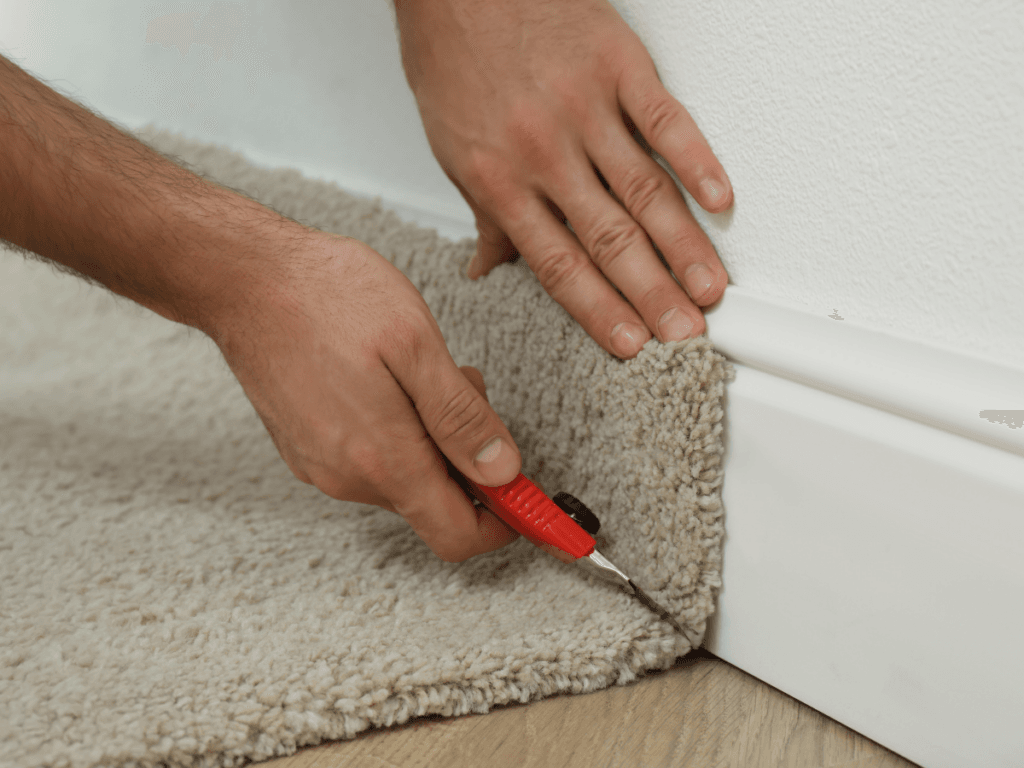
Proper installation plays a major role in how well carpet padding performs. Even high-quality materials can fall short if they are not installed correctly. A reliable carpet flooring padding guide will always emphasize preparation and placement as part of the overall process.
Padding needs to be fitted evenly across the subfloor, with seams aligned and secured so there are no gaps or overlaps. Uneven installation can lead to shifting, wrinkles, or areas that wear out faster than others. Over time, these issues can affect both the feel and appearance of the carpet.
Subfloor condition also matters. A clean, level surface helps the padding sit properly and provides better support. Taking the time to prepare the base ensures that the padding and carpet work together as intended.
While some homeowners consider handling installation on their own, professional installers bring experience that can prevent common problems. They understand how to match padding to the carpet type and how to secure it in a way that maintains stability.
Professionals also have the tools needed to cut and place padding accurately. This reduces the chance of uneven areas or loose sections that could lead to early wear. A well-installed pad supports the carpet evenly, which helps maintain its structure over time.
Another advantage is consistency. With professional installation, each section of the floor is handled with the same level of care, which leads to a more uniform result. Many carpet flooring padding guide recommendations highlight this step as a way to protect the overall investment.
Carpet warranties often include specific requirements for padding. These guidelines are set by manufacturers to ensure that the carpet performs as expected under normal use. Choosing the wrong type of padding can affect warranty coverage.
Some warranties specify minimum density levels or approved materials. If these requirements are not met, it may limit protection if issues arise later. This is why it is important to review warranty details before making a final decision.
Using the recommended padding helps maintain compliance and reduces the risk of future complications. A carpet flooring padding guide can help identify which options align with common manufacturer standards.
Different padding types are suited for different environments, and understanding their general use can help guide the selection process. While each home is unique, some patterns are consistent across most installations.
Rebond foam is widely used in residential spaces because it balances comfort and durability. Memory foam is often chosen for areas where a softer feel is preferred, such as bedrooms. Synthetic fiber and rubber options are better suited for spaces that may experience moisture, as they are less likely to absorb water.
These general categories help homeowners narrow down their options, but final choices should always consider both the carpet type and the conditions of the room.
Installation and warranty considerations are closely connected. The way padding is installed and the type that is selected both influence how the carpet performs over time.
A well-installed padding layer supports the carpet, reduces wear, and helps maintain its appearance. At the same time, choosing a padding that meets warranty requirements helps protect the investment if issues arise.
Taking the time to understand installation and warranty details can make the entire flooring process smoother. These factors are often overlooked, but they play a significant role in long-term results.
A thoughtful approach, supported by a clear carpet flooring padding guide, helps ensure that each step is handled correctly. From preparation to final placement, every detail contributes to a flooring system that feels comfortable and performs well over time.
By focusing on proper installation and compatible materials, homeowners can create a setup that holds up under daily use and maintains its quality for years to come.
Choosing the right carpet padding is just as important as selecting the carpet itself—it’s the foundation that determines comfort, durability, and long-term performance.
From density and thickness to moisture barriers and material types, understanding your options ensures you get the most from your flooring investment.
For expert guidance and professional carpet installation that maximizes both comfort and longevity, trust Abel Pro Flooring.
Ready to experience the difference quality carpet padding makes? Call 404-566-0749 or visit our website for a free quote today. Let our team help you build a foundation of lasting comfort and style for your home.