
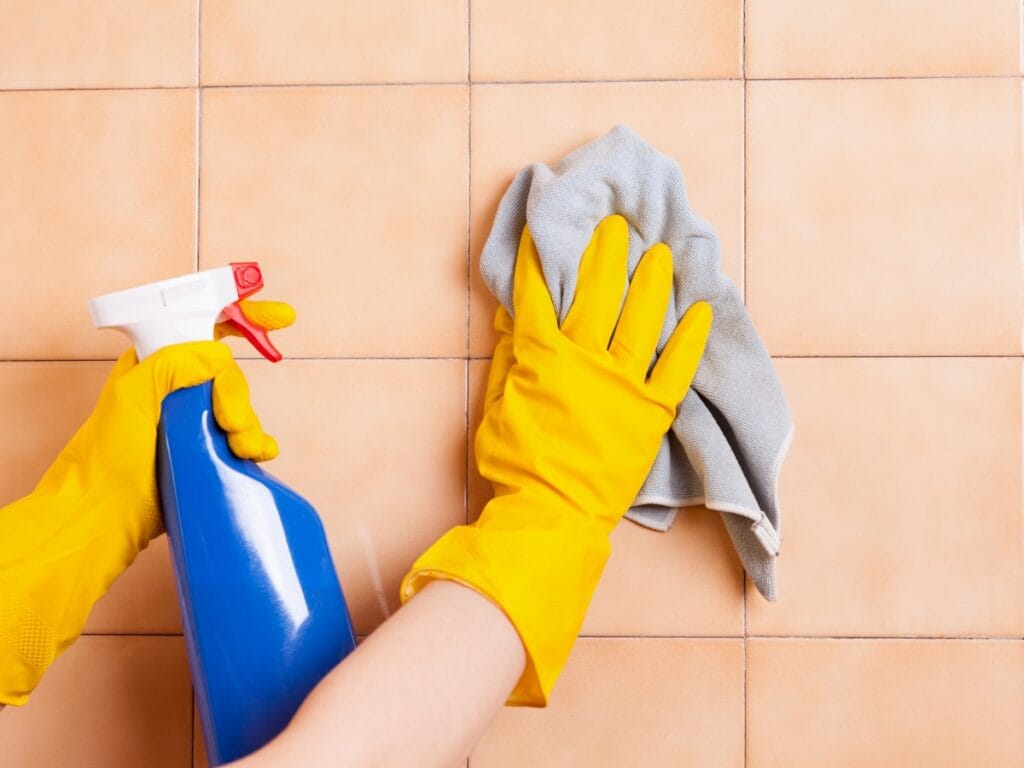
Regular and proper grout cleaning is one of the most effective—yet often overlooked—ways to protect your tile surfaces, prevent mold growth, and extend the overall life and beauty of your floors, showers, and backsplashes. Grout’s porous nature makes it a magnet for dirt, moisture, and bacteria, which can lead to discoloration, deterioration, and even structural issues over time. In this guide, we’ll share the best grout cleaning tips, from daily maintenance and DIY solutions to professional techniques, helping you preserve the integrity and appearance of your tiled spaces for years to come.
Grout Cleaning Tips That Bring Old Tile Back to Life
What Are The Essential Tools And Cleaning Products For Tile Grout?
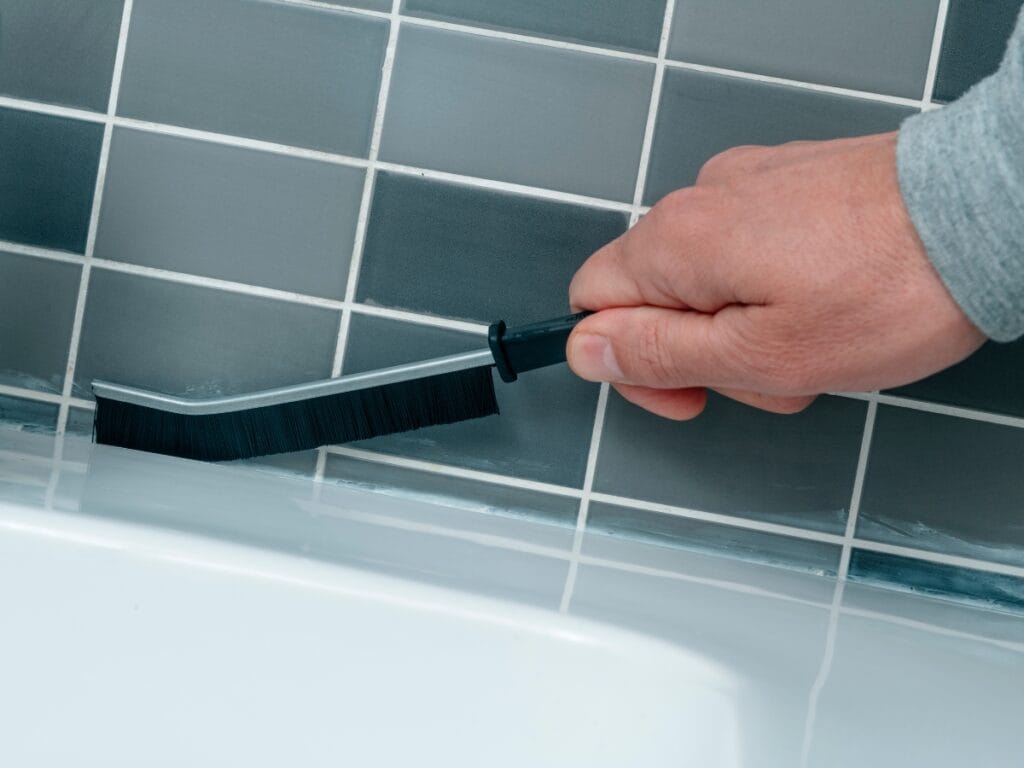
Good grout cleaning tips start with the basics: the right tools and a cleaner that matches the type of grime you are dealing with. Grout is porous, so it tends to trap dirt, soap residue, and moisture over time. If you try to clean it with the wrong brush or a cleaner that is too harsh for your tile, you can waste a lot of effort and still end up with dull, uneven results. A few simple tools and a clear process usually work better than grabbing whatever is under the sink.
For most homes, a stiff grout brush is the first essential. A dedicated grout brush has bristles designed to get into narrow grout lines without scratching the surrounding tile. A soft toothbrush can work in a pinch for small areas, but it often takes longer and does not provide enough pressure for deeper grime. Microfiber cloths are also useful because they pick up loosened dirt instead of spreading it around. If you want to make the job easier, a steam cleaner can be a strong option, especially for bathrooms and kitchens where buildup is common. Steam helps loosen grime inside the grout line so you can wipe it away with less scrubbing.
Safety matters too. Many grout cleaning tips focus on the stain, but forget the basics. Gloves help protect your skin, and ventilation is important, even with mild cleaners, because bathrooms and small laundry rooms trap fumes and moisture.
Which Grout Cleaning Tools Deliver The Best Results?
The best tool depends on what you are cleaning and how dirty the grout is. For routine cleaning, a grout brush and a microfiber cloth are usually enough. The brush lifts dirt from the grout line, and the cloth pulls it away before it settles back in. For high-traffic areas, like entryways and kitchen floors, a brush with a comfortable handle can help you apply consistent pressure without overworking your wrist.
Steam cleaners are often most helpful when grout looks dark from embedded grime, not just surface dirt. Steam can break up buildup without relying on heavy chemicals, which makes it useful for people who want a lower-odor approach. It is still important to wipe immediately after steaming, since loosened residue can dry back into the grout if it is left behind.
Avoid overly abrasive pads on tile surfaces unless you are certain they are safe for your finish. Some tiles scratch easily, and damage can make future cleaning harder because dirt clings to roughened surfaces.
What Are The Most Effective Homemade And Commercial Grout Cleaners?
Homemade cleaners can work well for many situations, especially when grout needs a refresh rather than heavy restoration. Baking soda mixed with water creates a paste that clings to grout lines and provides gentle scrubbing power. Hydrogen peroxide is often used to help lift discoloration, especially in lighter grout, and it pairs well with baking soda for targeted spot treatment.
Vinegar is commonly mentioned in grout cleaning tips, but it should be used carefully. On certain surfaces, like natural stone tile, vinegar can etch or dull the finish. If you are unsure what type of tile you have, it is safer to avoid acidic cleaners and stick to pH-neutral products.
Commercial grout cleaners can be a better option when stains are persistent or when grout has years of buildup. The best approach is to choose a product labeled for grout and compatible with your tile type. No matter what cleaner you use, test it in a small, hidden area first. That quick step can prevent discoloration, haze, or damage that is harder to fix than the original stain.
If you want grout cleaning tips that work long term, focus on consistency. Regular light cleaning prevents deep staining, and once the grout looks clean, sealing it can help slow down future discoloration and make routine cleanup much easier.
How To Perform Basic And Deep Cleaning Of Tile Grout
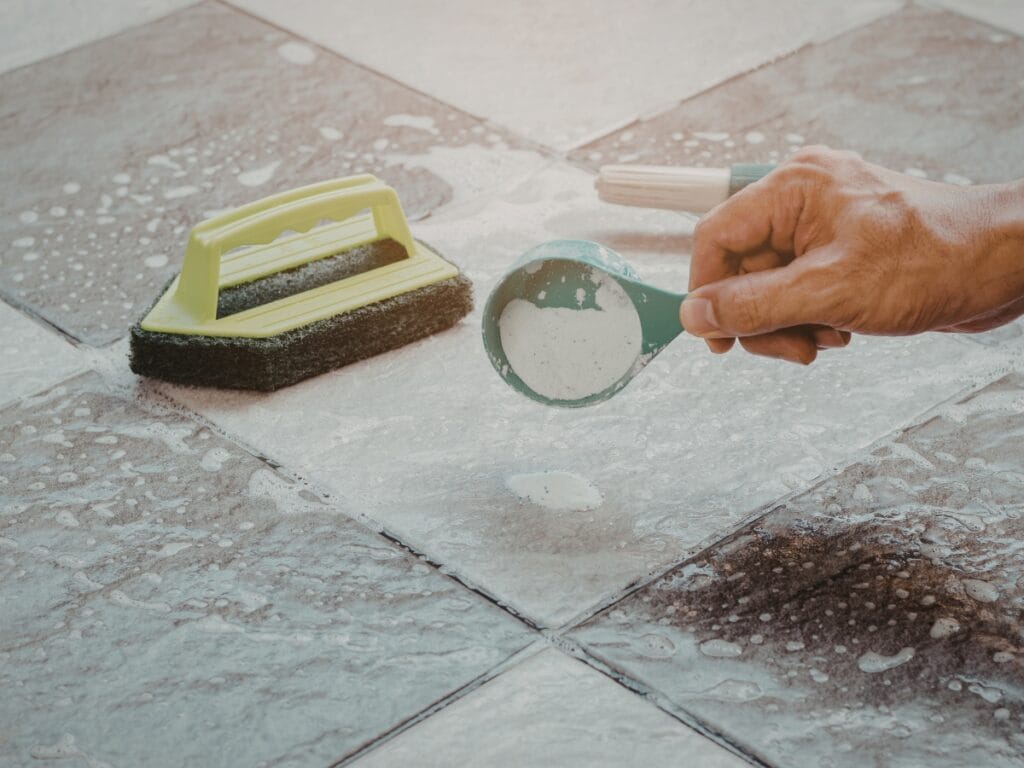
Grout cleaning usually falls into two categories: routine upkeep and deeper cleaning when discoloration has set in. The best grout cleaning tips focus on preventing buildup before it becomes a stain. Grout is porous, so it absorbs moisture and holds onto dirt more easily than tile. When you clean it consistently, you reduce the need for stronger products and heavy scrubbing later.
Basic cleaning is about keeping grout from darkening over time. Deep cleaning is what you do when grout lines look dingy, stained, or patchy, even after regular wiping. Knowing which approach you need helps you avoid over-cleaning and protects the tile finish.
What Are The Daily And Weekly Grout Cleaning Routines For Maintenance?
For daily maintenance, the simplest routine is a quick wipe-down in areas that collect moisture and residue, like shower walls, bathroom floors, and kitchen backsplashes. A damp microfiber cloth works well because it lifts surface grime instead of pushing it around. In showers, a quick wipe after use helps reduce soap film and slows down mold and mildew growth. This is one of the most practical grout cleaning tips because it takes very little time and prevents the cycle of buildup.
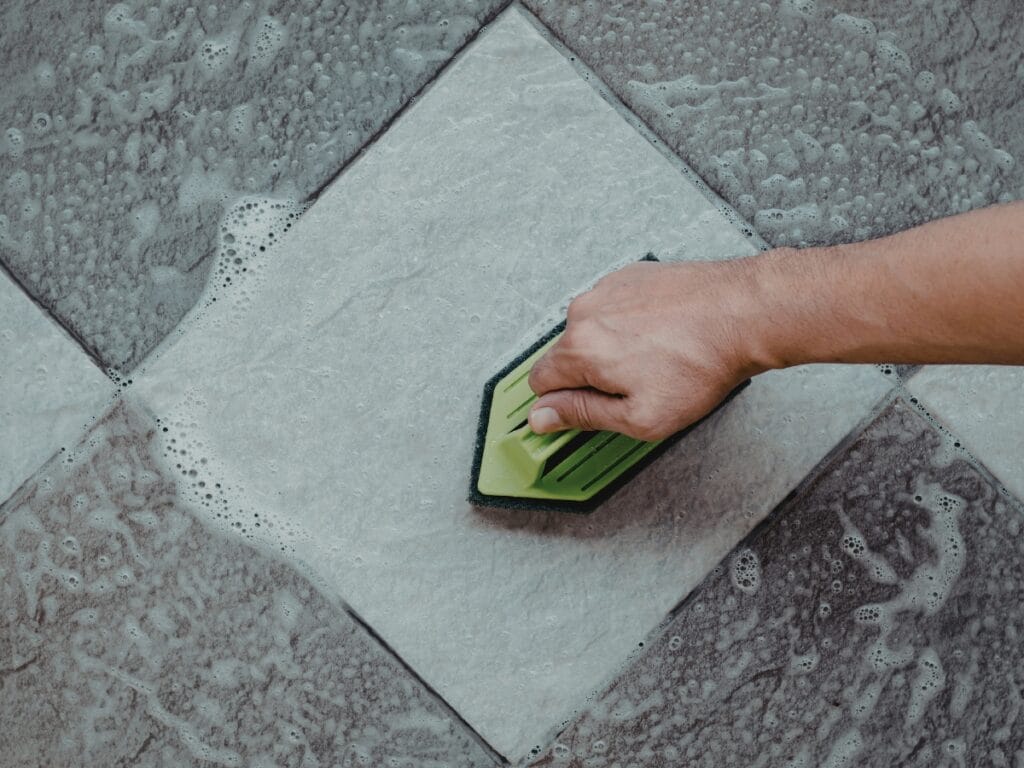
Weekly maintenance usually means a light scrub of the grout lines, especially in high-use spaces. Use a grout brush and a mild cleaner that is safe for your tile type. Focus on the areas that show wear first, such as corners, edges near the tub, and sections near sinks and stoves. After scrubbing, rinse the area with clean water and dry it with a towel. Drying matters because leftover moisture can attract dirt and encourage mildew, which leads to that familiar “dark grout line” look.
If you stick to a weekly routine, deep cleaning becomes occasional instead of constant.
How To Remove Stubborn Grout Stains Like Mold, Mildew, Grease, And Rust?
When grout has stubborn stains, the best results come from matching the cleaner to the problem. Mold and mildew usually show up in damp bathrooms and around showers. A baking soda paste paired with hydrogen peroxide can help lift discoloration without being overly harsh for many tile surfaces. Apply it to the grout, let it sit briefly, then scrub and rinse well. In some cases, a diluted bleach solution may be used on sealed grout and non-porous tile, but it should be handled carefully with ventilation and gloves. It is also important to avoid using vinegar on natural stone, since acidic products can damage or dull stone surfaces.
Grease stains are more common in kitchens, especially near stoves and high-splash areas. In those cases, a gentle degreaser or a cleaner designed for kitchen residue is often more effective than an all-purpose product. The goal is to break down the oily film first, then scrub. Afterward, rinse thoroughly so the cleaner does not leave a residue that attracts more dirt.
Rust stains can come from metal furniture legs, shaving cans, or older fixtures. These stains often respond best to a cleaner specifically labeled for rust removal. Since rust removers can be strong, test a small, hidden area first, and follow directions closely. Rinse well and dry the surface when you are finished.
For any deep cleaning, one of the most useful grout cleaning tips is to work in small sections. Clean, rinse, and dry as you go. That keeps residue from spreading and helps you see what is improving in real time. Once grout is clean and fully dry, sealing it can help protect the lines and make routine cleaning easier moving forward.
Why Is Grout Sealing Important, And How Does It Protect Your Tile?
If you are looking for grout cleaning tips that actually last, grout sealing is one of the most important steps to understand. Grout is porous by nature, which means it absorbs water, soap residue, oils, and everyday dirt much more easily than tile. Even when grout looks clean on the surface, moisture and grime can work their way into the tiny openings over time. That is when discoloration starts to show up, especially in bathrooms, kitchens, and entryways.
Sealing does not make grout “maintenance-free,” but it does make it more resistant to staining and easier to keep clean. In practical terms, sealed grout buys you time. Spills sit on top longer instead of soaking in immediately, and routine cleaning becomes more effective because you are not constantly fighting deep-set grime.
How Does Grout Sealing Prevent Stains And Mold Growth?
Sealer works by forming a protective barrier over the grout line. That barrier helps repel water and reduces how quickly liquids and dirt can penetrate. In areas where moisture is common, this matters because damp grout can become a breeding ground for mold and mildew. When water soaks into unsealed grout and stays trapped, the grout can darken, develop odors, and become harder to restore.
With sealed grout, moisture is less likely to linger inside the grout line. That does not replace good ventilation or regular cleaning, but it supports them. If you pair sealing with simple habits like drying shower walls and wiping up spills quickly, you will usually see fewer stains and less frequent deep cleaning. Many grout cleaning tips focus on the cleaning step alone, but sealing is what helps those results hold up after you finish scrubbing.
Sealing also protects the overall look of the tile installation. When grout stays cleaner and more uniform, tile floors and walls look newer, even if the tile itself has not changed.
When Should You Repair Grout Instead Of Cleaning It?
Sometimes, grout does not need more cleaning. It needs repair. If grout is cracked, crumbling, or missing in sections, scrubbing it harder will not fix the problem, and it can even make the damage worse. Cleaning is for surface issues like dirt, mildew, or light staining. Repair is for structural issues that allow water to get behind the tile or loosen the installation over time.
One clear sign is visible cracking that runs along the grout line or spreads at corners and edges. Another sign is grout that flakes away when you brush it, which usually means it has weakened and is no longer doing its job. Missing grout is also a repair issue, not a cleaning issue, because gaps let water and debris settle beneath the surface.
There is also a difference between discoloration and failure. If grout looks uneven because it is stained, cleaning and sealing may help. If it looks uneven because it is breaking down, repair is the better choice. After repairs are complete and the grout has fully cured, sealing can help protect the new grout and make future upkeep easier.
In short, grout sealing is one of the most overlooked grout cleaning tips because it happens after the cleaning. But it is what helps protect your work, slow down staining, and reduce moisture-related problems in the areas of the home that need the most attention.
What Are The Best Tile And Grout Maintenance Tips For Longevity?

Tile is usually durable, but grout is where most floors and walls start to look worn. Grout is porous, so it absorbs moisture and holds onto residue, which makes it more likely to discolor over time. The best grout cleaning tips focus on consistency and prevention, not aggressive scrubbing once stains are already set. When you keep grout from building up dirt and moisture, the entire surface stays cleaner and lasts longer.
A simple routine is often the biggest difference. Light cleaning on a regular schedule helps prevent that gradual darkening that happens in kitchens, bathrooms, mudrooms, and entryways. It also reduces the need for stronger products, which can wear down grout and shorten its lifespan if they are used too often or incorrectly.
How To Prevent Grout Discoloration And Damage Over Time
One of the most useful grout cleaning tips is to treat grout like a surface that needs gentle, repeated care rather than occasional heavy cleaning. Start with quick cleanups. Spills and splashes should be wiped up as soon as possible, especially on lighter grout, because staining happens quickly once liquid soaks in. In bathrooms, moisture management helps too. Running a fan and wiping down wet areas reduces the damp conditions that allow mildew to grow.
Product choice matters. Harsh cleaners can break down grout over time, leaving it more porous and more likely to stain later. A mild, tile-safe cleaner is usually enough for routine cleaning. If you need something stronger for buildup, use it occasionally, rinse thoroughly, and avoid leaving residue behind. Cleaner residue can attract dirt, which makes grout look dingy again faster.
Sealing is another key step in preventing discoloration. Sealer helps grout resist stains and moisture, which makes routine cleaning easier and reduces how quickly grime settles in. Many homeowners only think about grout after it looks dirty, but keeping it sealed is one of the most effective grout cleaning tips for long-term results. How often you reseal depends on the product and how much wear the area gets, but checking it periodically is a good habit. If water no longer beads on the grout line, it is usually time to reseal.
How Does Proper Tile Installation Impact Grout Cleaning And Durability?
Maintenance is easier when the tile was installed well. Even grout lines that are properly filled and finished are less likely to trap dirt and moisture. When grout is too low, uneven, or has gaps, it creates pockets where grime collects and water sits. That can lead to faster staining, more frequent mildew issues, and a surface that feels harder to keep clean no matter how many grout cleaning tips you follow.
Tile spacing and alignment matter too. When tiles are properly set, grout lines are consistent, which makes cleaning more predictable. A well-finished grout line is also less likely to crumble or crack, which helps protect what is under the tile from moisture.
If grout seems to stay dirty no matter what, it is worth checking whether the issue is actually buildup or a deeper problem like worn sealer, uneven grout, or cracking. Cleaning is important, but durability depends on the whole system working together: solid installation, consistent upkeep, and the right products for the tile and grout type. When you combine those pieces, grout cleaning tips become easier to follow and the results last longer.
How To Hire Top Grout Cleaning Experts in Marietta & Metro Atlanta
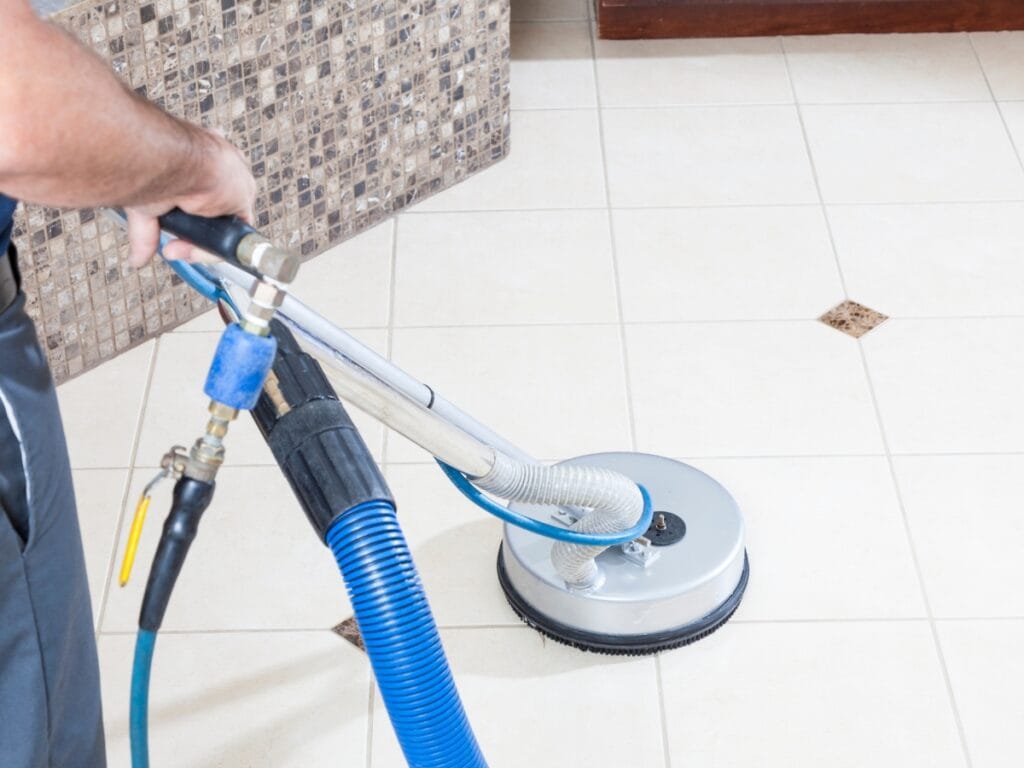
Sometimes the best grout cleaning tips are also the most honest ones: if grout is deeply stained, the area is large, or you have already tried several at-home methods without much improvement, it may be time to bring in a professional. A reliable grout cleaning company can save you hours of scrubbing and help you avoid common mistakes, like using the wrong product on a specific tile surface. The challenge is finding a provider you can trust, especially with specialty materials and high-traffic floors.
Start with reviews, but look beyond star ratings. Read a handful of recent comments and pay attention to what people mention about communication, punctuality, and results that held up after the job was done. It also helps to confirm that the company has experience with your tile type. Ceramic and porcelain are common, but natural stone and specialty finishes may require different products and techniques. A quick phone call or email should give you a clear answer without vague claims.
It is also smart to ask what their process includes. A professional should be able to explain how they clean grout, whether they rinse and extract residue afterward, and whether they recommend sealing. Not every situation requires sealing, but it is often part of long-term maintenance, and a professional should be able to tell you what makes sense for your space. If you are comparing quotes, make sure you are comparing similar scope, since one company may include sealing or stain treatment and another may not.
What Are The Benefits Of Hiring Local Professional Grout Cleaners?
Hiring a local provider often comes with practical benefits that matter during scheduling and follow-up. Local teams typically have shorter travel times, which can make appointment windows more realistic and rescheduling easier if weather or timing changes. Local professionals also tend to be familiar with the types of homes in the area, including common tile styles, older grout lines, and high-humidity bathrooms that can lead to recurring mildew issues.
Another advantage is efficiency. Professionals bring specialized tools that most homeowners do not have on hand, such as commercial-grade steam equipment or extraction systems that remove loosened grime instead of leaving it behind. That can make a noticeable difference in results, especially if your grout lines are uneven, heavily textured, or discolored from years of buildup. For homeowners who want the “reset” effect without a weekend of scrubbing, professional help can be the most direct path.
Even if you plan to maintain grout yourself afterward, a professional deep clean can make your routine easier. Once grout is restored, basic upkeep becomes more manageable, and the grout cleaning tips you use at home tend to work better.
How Does Abel Pro Flooring’s Tile Installation Expertise Support Grout Longevity?
When grout looks worn, it is not always a cleaning issue. Sometimes it is an installation or finishing issue that makes dirt and moisture more likely to settle into the grout line. Quality installation helps grout last longer because grout lines are properly filled, shaped, and finished, which reduces low spots, gaps, and edges that trap grime. In other words, grout longevity starts with how the tile was set, not just how it is cleaned later.
Abel Pro Flooring, based in Marietta, GA, focuses on tile installation and craftsmanship, which directly supports easier maintenance over time. When tile is installed correctly and grout work is done cleanly, routine care becomes simpler and results are more consistent. That is where grout cleaning tips and good installation meet: strong foundations, cleaner lines, and fewer recurring issues that keep pulling your grout back to square one.
Conclusion
Regular, proper grout cleaning is the key to preserving the beauty and longevity of your tile surfaces. While DIY methods can help maintain its appearance, stubborn stains and deep-set grime often require professional-grade solutions and techniques to restore its original look and protective seal. For a deep, lasting clean that revitalizes your tile and grout, trust the experts at Abel Pro Flooring. Call 404-566-0749 or visit our website for a free quote today and get the best tile flooring installation that your home deserves.