Skip to content carpet, basement, interior design, hardwood, laminate flooring, wood, tile, flooring, hardwood flooring, rubber, floors, explore, hardwood floors, commercial, humidity, accessibility, sustainability
Frequently Asked Questions
What are the latest flooring trends?
The latest flooring trends include eco-friendly materials, such as bamboo and reclaimed wood, as well as luxury vinyl tiles that mimic natural textures. Additionally, bold colors and patterns are gaining popularity, offering unique design options for homeowners.
How do I choose the right flooring?
Choosing the right flooring involves considering factors such as your lifestyle, budget, and the specific room's purpose. Evaluate materials based on durability, maintenance, and aesthetic appeal to make an informed decision that suits your needs.
What maintenance tips are essential for flooring?
Essential maintenance tips for flooring include regular sweeping or vacuuming to remove dirt, promptly cleaning spills to prevent stains, and using appropriate cleaning products specific to your flooring type to maintain its appearance and longevity.
How can I install flooring myself?
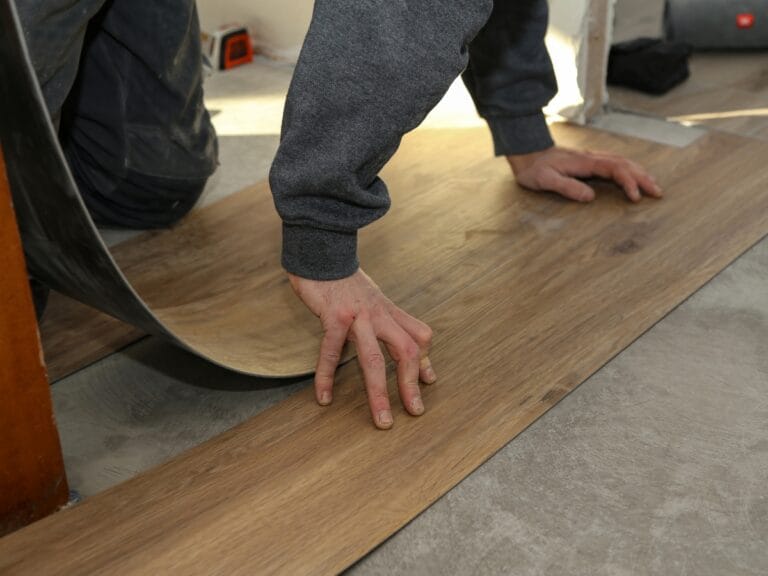
Installing flooring yourself involves careful planning, selecting the right materials, and following step-by-step instructions for your chosen flooring type. Start by measuring your space, preparing the subfloor, and then lay the flooring according to the manufacturer's guidelines.
What flooring materials are most durable?
The most durable flooring materials include hardwood, porcelain tile, and luxury vinyl. These options resist wear and tear, making them ideal for high-traffic areas while maintaining their appearance over time.
What are common flooring installation mistakes?
Common flooring installation mistakes include inadequate subfloor preparation, improper acclimation of materials, neglecting to follow manufacturer guidelines, and failing to account for expansion gaps. These errors can lead to uneven surfaces and premature wear.
How do I clean different flooring types?
Cleaning different flooring types requires specific methods: for hardwood, use a damp mop with a gentle cleaner; for tile, a mix of vinegar and water works well; and for carpet, vacuum regularly and spot clean with appropriate solutions.
What factors affect flooring costs?
The factors that affect flooring costs include the type of material chosen, installation complexity, labor expenses, and any additional features like underlayment or finishing. Each of these elements can significantly influence the overall price of your flooring project.
How can I enhance my floorings lifespan?
Enhancing your flooring's lifespan involves regular maintenance, such as cleaning with appropriate products, promptly addressing spills, and using protective mats in high-traffic areas. Additionally, ensure proper installation and consider professional inspections to prevent long-term damage.
abel flooring, vct removal plantation, water damage abel, able paint glass and flooring
Understanding Flooring Installation Costs
When planning a flooring project, understanding the associated costs is crucial for budgeting effectively. Various factors influence flooring installation expenses, including the type of material selected, the complexity of the installation process, and regional labor rates.
For instance, luxury materials like hardwood or natural stone often require a higher investment due to their cost and the expertise needed for installation. Additionally, unforeseen expenses such as subfloor repairs or the need for underlayment can arise, making it essential to have a comprehensive estimate before starting the project.
Top Flooring Trends to Watch in 2026
Staying updated on the latest flooring trends can help homeowners make informed decisions that enhance their living spaces. In 2026, expect to see a rise in sustainable flooring options, such as bamboo and cork, which offer eco-friendly benefits without compromising style.
Furthermore, bold patterns and textures are making a comeback, with homeowners opting for unique tile designs and mixed materials to create personalized spaces. Keeping an eye on these trends can inspire homeowners to choose flooring that not only meets their functional needs but also reflects their individual style.
Essential Maintenance Tips for Different Flooring Types
Proper maintenance is key to prolonging the life of your flooring. Each flooring type has specific care requirements that, when followed, can prevent damage and keep floors looking new. For example, hardwood floors benefit from regular dusting and occasional refinishing, while tile floors require sealing to prevent grout discoloration.
Additionally, carpets need routine vacuuming and spot cleaning to address stains quickly. Understanding these maintenance needs is essential for homeowners to keep their floors in optimal condition and avoid costly repairs down the line.
Choosing the Right Flooring for Your Lifestyle
Selecting the right flooring involves considering your lifestyle and how your space is used. For families with young children or pets, durable options like luxury vinyl or laminate may be ideal due to their resilience and ease of maintenance.
Conversely, if you prioritize aesthetics and comfort, hardwood or plush carpet might be more suitable. Evaluating your daily activities and the level of foot traffic in each room can help guide your choice, ensuring that your flooring complements both your lifestyle and design preferences.