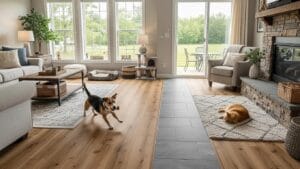
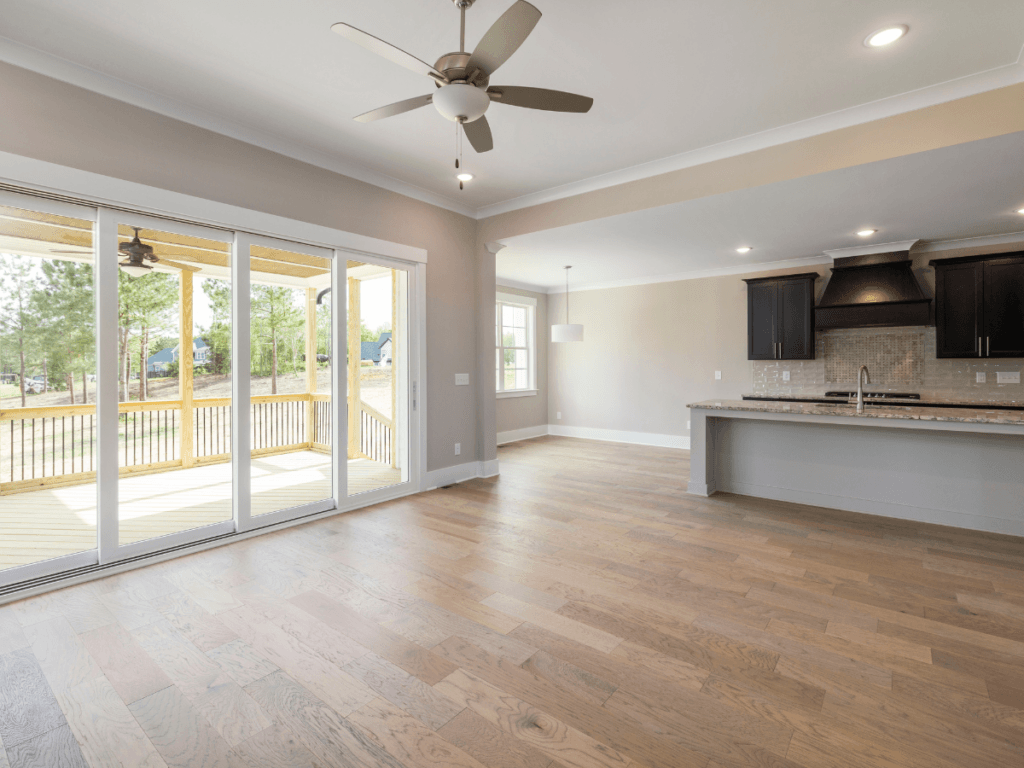
Flooring can have a major impact on indoor air quality, especially for households dealing with allergies. Dust, pet dander, pollen, and other irritants often settle into certain flooring materials and continue circulating through the home. Choosing the right surfaces can help create a cleaner and more comfortable environment.
The best Marietta allergy flooring ideas for healthier living spaces focus on materials that are easier to clean and less likely to trap allergens. Hard surface options, low-porosity finishes, and moisture-resistant materials can all contribute to better air quality and simpler maintenance.
With the right flooring choices, homeowners can reduce common irritants, support healthier indoor living, and create spaces that feel fresher and easier to maintain year-round.
Marietta Allergy Flooring for Homes With Pets and Kids
Which Flooring Types Are Best for Allergy Sufferers in Marietta?
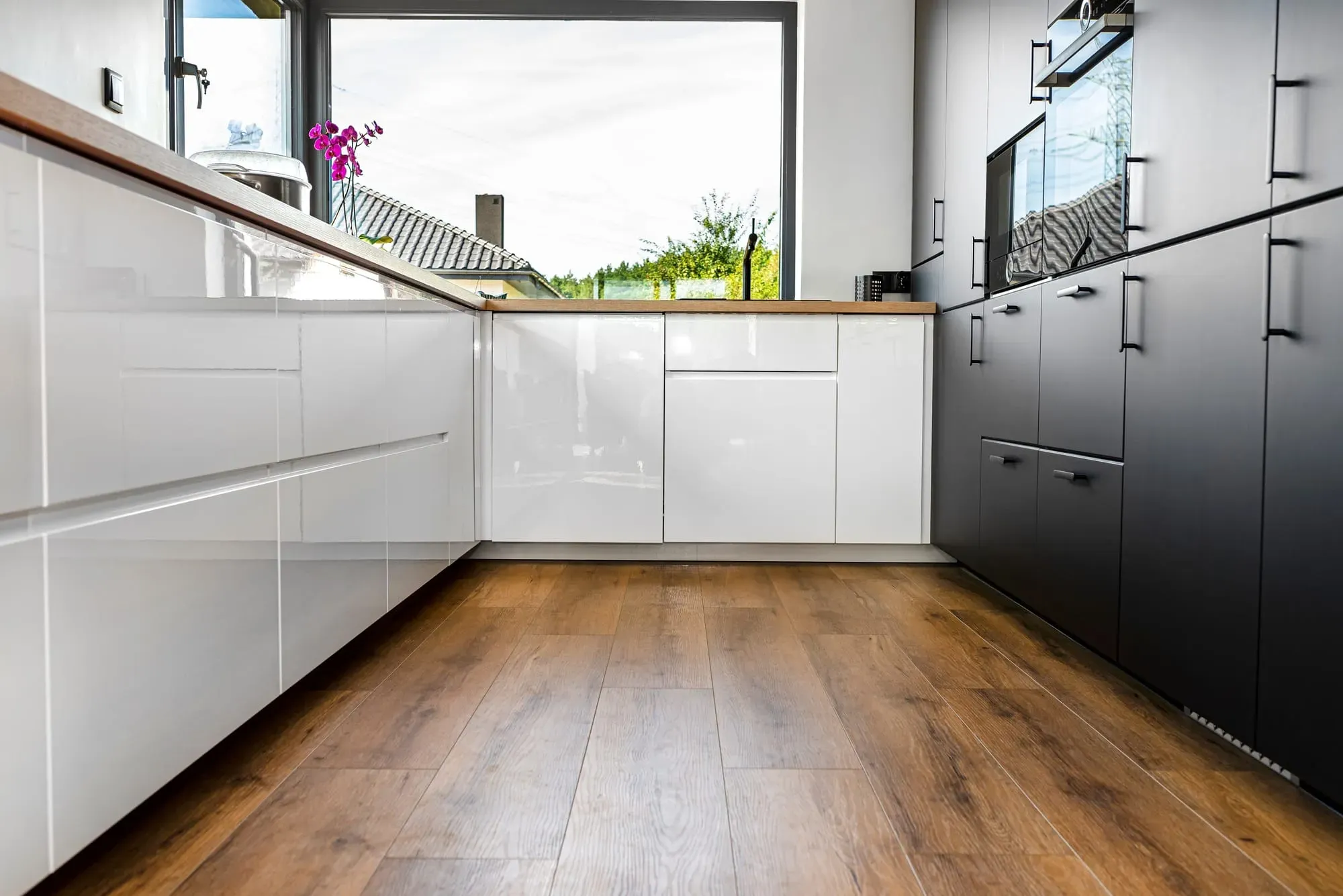
Choosing the right flooring can make a noticeable difference in indoor air quality, especially for households dealing with allergies or respiratory sensitivities.
In homes where dust, pet dander, pollen, and moisture are ongoing concerns, certain flooring materials are much easier to maintain and far less likely to trap allergens.
For homeowners researching Marietta allergy flooring options, materials like tile, luxury vinyl plank, and engineered hardwood are often among the most practical choices.
Unlike traditional carpeting, which can hold dust and allergens deep within the fibers, hard-surface flooring creates a cleaner environment that is easier to maintain over time. The right flooring choice can help support healthier indoor conditions while still providing durability and visual appeal.
Why Tile Flooring Works Well For Allergy Control
Tile flooring is one of the most popular choices for allergy-conscious households because of its non-porous surface. Dust, pollen, pet dander, and other airborne particles are less likely to settle into tile compared to softer flooring materials.
Another advantage is how easy tile is to clean. Regular sweeping and mopping are usually enough to remove common allergens from the surface before they build up. In humid climates like Georgia, tile also resists moisture effectively, which can help reduce the risk of mold growth indoors.
For homeowners exploring Marietta allergy flooring solutions, tile offers a combination of low maintenance, durability, and long-term cleanliness that works especially well in kitchens, bathrooms, and high-traffic areas.
How Luxury Vinyl Plank Helps Reduce Allergens
Luxury vinyl plank, often called LVP, has become increasingly popular in allergy-friendly homes because it combines comfort with practical maintenance benefits. LVP features a smooth surface that does not easily trap dust or allergens, making regular cleaning simpler and more effective.
Many homeowners also appreciate that LVP is water-resistant, which helps protect against moisture-related issues that can contribute to mold or mildew. This makes it a strong option for households looking for a balance between durability and comfort underfoot.
In addition to supporting cleaner indoor conditions, LVP is available in a wide range of styles that mimic hardwood or stone without the higher maintenance requirements associated with some natural materials.
The Benefits Of Engineered Hardwood
Engineered hardwood provides the appearance of traditional hardwood flooring while offering better stability in changing humidity conditions. For allergy sufferers, one of the biggest advantages is the smoother surface, which allows allergens to remain on top rather than becoming trapped inside the flooring.
Compared to carpet, engineered hardwood is significantly easier to clean and maintain. Dust, hair, and pollen can be removed quickly with routine sweeping or vacuuming, helping improve overall indoor air quality.
Many homeowners considering Marietta allergy flooring options choose engineered hardwood because it combines a warm, natural appearance with better moisture resistance than standard hardwood flooring.
How Allergy-Friendly Flooring Improves Indoor Air Quality
One of the biggest benefits of allergy-resistant flooring is its ability to support cleaner indoor air. Flooring plays a larger role in air quality than many homeowners realize because allergens constantly settle onto surfaces throughout the home.
Non-porous materials help minimize the accumulation of dust mites, mold spores, pet dander, and pollen. Since these particles are easier to remove from hard surfaces, they are less likely to continuously circulate through the air.
This can be especially important for individuals with asthma, seasonal allergies, or other respiratory sensitivities who spend large amounts of time indoors.
Sustainable And Low-Maintenance Flooring Choices
Many modern allergy-friendly flooring materials are also designed with sustainability in mind. Some engineered hardwood and LVP products are manufactured using low-emission materials that contribute to healthier indoor environments overall.
Low-maintenance flooring also reduces the need for harsh chemical cleaners, which can further improve indoor air quality over time. Simple cleaning routines are often enough to maintain both appearance and cleanliness.
For homeowners searching for practical Marietta allergy flooring solutions, choosing materials that resist allergens, moisture, and dust buildup can create a more comfortable and healthier living environment for the entire household.
How Does Flooring Impact Indoor Air Quality In Marietta Homes?
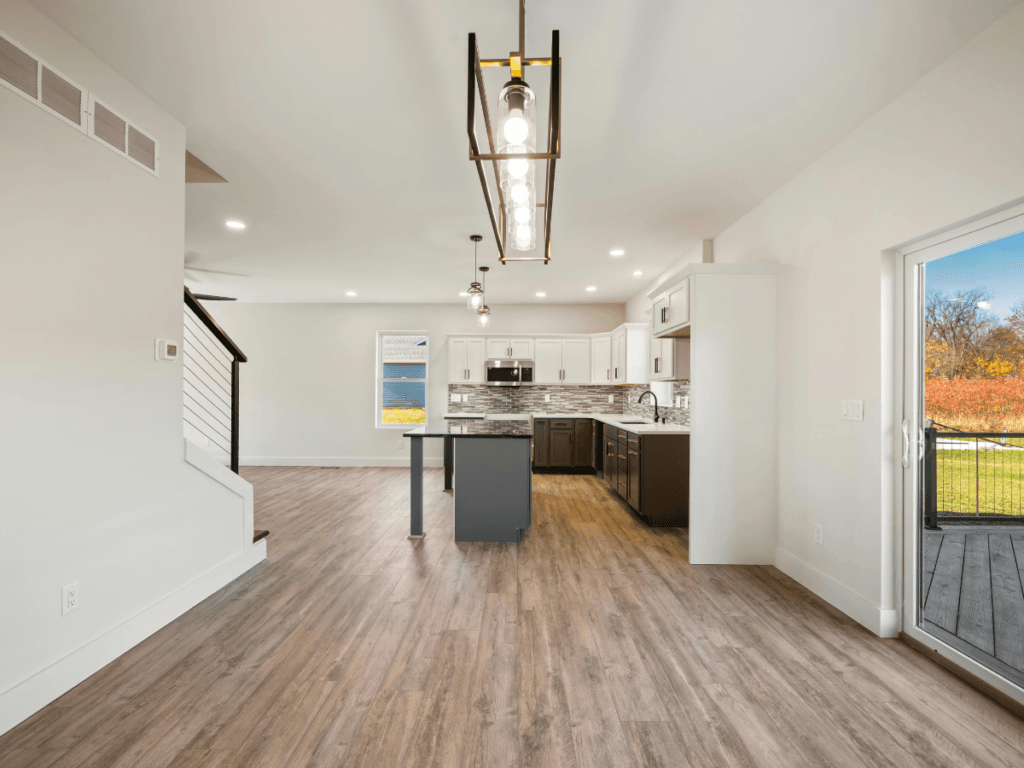
Flooring plays a larger role in indoor air quality than many homeowners realize. The materials used throughout a home can influence how much dust, moisture, and airborne irritants accumulate over time.
For families dealing with allergies or respiratory sensitivities, choosing the right flooring can make everyday living noticeably more comfortable. Homeowners researching Marietta allergy flooring options often focus on materials that reduce allergens while also supporting cleaner indoor air.
Certain flooring products can release chemicals known as volatile organic compounds, or VOCs, into the air. Others may trap dust, pollen, pet dander, and moisture more easily, contributing to allergy symptoms and poor indoor conditions.
Because of this, flooring selection is about more than appearance alone. It can directly affect the overall health and comfort of a home.
Why Low VOC Flooring Matters
Low-VOC flooring materials are designed to release fewer airborne chemicals into indoor spaces. Traditional adhesives, finishes, and synthetic flooring products can sometimes contribute to indoor air pollution, especially in tightly sealed homes where ventilation may already be limited.
For allergy-sensitive households, reducing exposure to these emissions can be an important part of maintaining healthier indoor conditions. Low VOC flooring products are often recommended because they help minimize irritants that may trigger headaches, respiratory discomfort, or allergy symptoms.
This is one reason many homeowners exploring Marietta allergy flooring solutions prioritize materials that are certified for lower emissions and safer indoor air quality standards.
How Non-Toxic Flooring Supports Healthier Living Spaces
Non-toxic flooring materials can further improve indoor air quality by reducing chemical exposure inside the home. Options like bamboo, cork, engineered hardwood, tile, and certain luxury vinyl plank products are commonly chosen for their lower maintenance requirements and cleaner surface properties.
These materials are generally easier to clean than carpet and are less likely to trap allergens beneath the surface. They also help reduce the buildup of dust mites, pollen, pet dander, and mold spores that can circulate throughout the home.
In humid climates like Georgia, moisture resistance also becomes important. Flooring that handles humidity well may help prevent mold growth, which can contribute to respiratory irritation and allergy-related issues indoors.
The Connection Between Flooring And Allergens
Flooring surfaces constantly collect airborne particles throughout the day. Dust, pollen, pet hair, and other allergens settle onto floors naturally, especially in busy households. Some flooring types make those allergens much harder to remove completely.
Carpet, for example, tends to trap particles deep within its fibers, where they may continue circulating into the air over time. Hard-surface flooring, on the other hand, allows allergens to remain on the surface where they can be removed more easily through sweeping, vacuuming, or mopping.
Tile and luxury vinyl plank are particularly popular Marietta allergy flooring choices because they combine durability with simple cleaning routines. Their smoother, non-porous surfaces make it more difficult for allergens to build up over time.
Why Maintenance Plays A Major Role
Even the best allergy-friendly flooring still requires regular maintenance to support good indoor air quality. Dust and allergens can accumulate on any surface if cleaning routines are inconsistent.
Routine sweeping, vacuuming with HEPA filtration, and damp mopping help remove irritants before they spread through the home. Homeowners should also pay attention to humidity control, since excessive moisture can contribute to mold and mildew growth around flooring materials.
A good flooring choice combined with consistent cleaning habits creates a much more effective long-term solution for allergy management indoors.
Choosing The Right Flooring For Your Home
Every home has different needs depending on lifestyle, pets, moisture exposure, and allergy sensitivities. Some homeowners prioritize durability for children and pets, while others focus primarily on reducing airborne irritants.
Consulting with flooring professionals can help narrow down the best options for your space and budget. A thoughtful approach to Marietta allergy flooring selection can improve indoor comfort while also creating a cleaner and easier-to-maintain home environment.
By focusing on low VOC materials, non-toxic surfaces, and practical maintenance needs, homeowners can create indoor spaces that feel healthier, cleaner, and more comfortable year-round.
What Should You Know About Professional Installation for Allergy-Friendly Flooring?
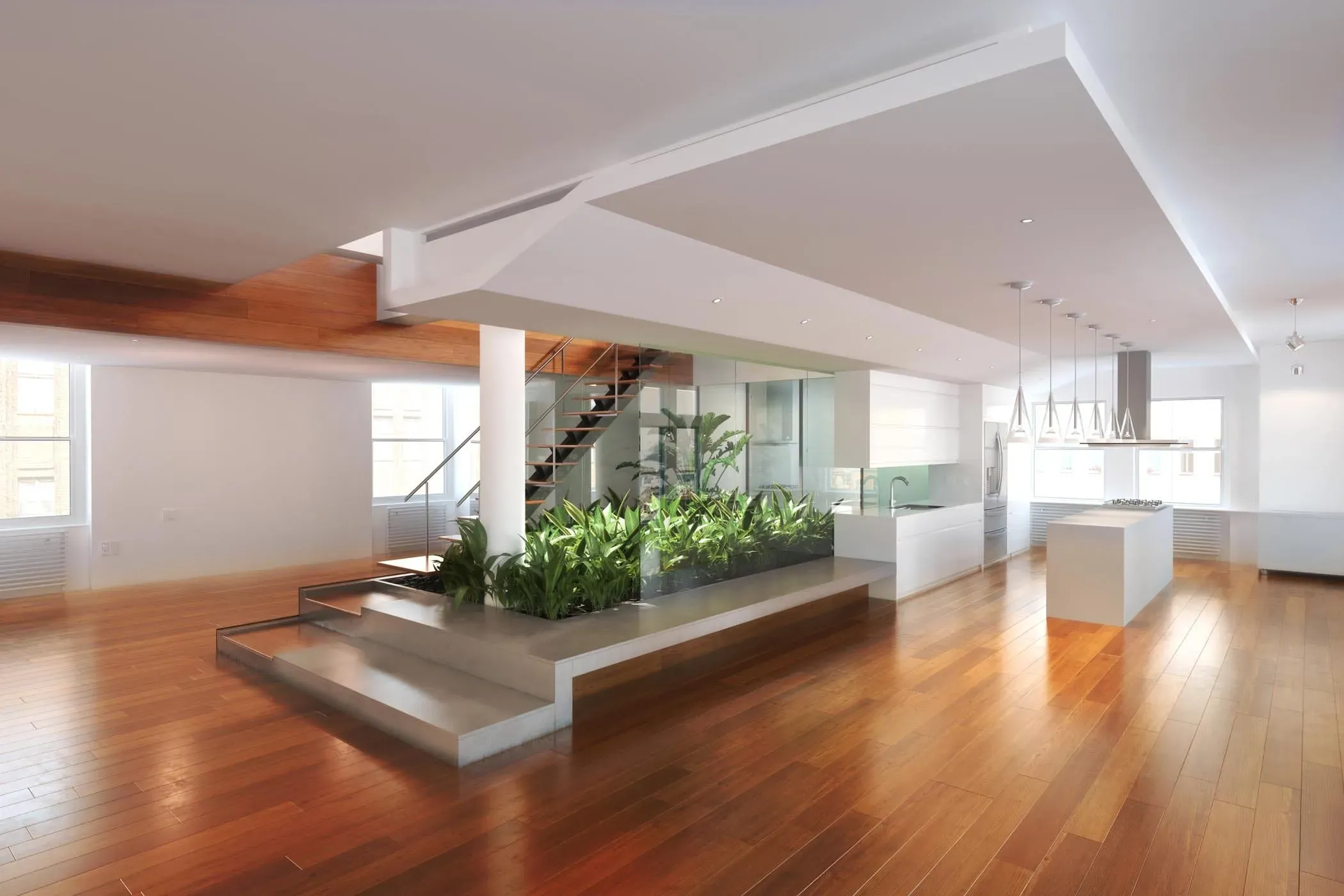
Choosing the right flooring material is only part of creating a healthier indoor environment. Proper installation plays an equally important role, especially for homeowners looking into Marietta allergy flooring options. Even high-quality hypoallergenic flooring can lose some of its effectiveness if it is not installed correctly.
Professional installation helps ensure that flooring performs the way it was designed to. From reducing gaps where dust can collect to ensuring moisture protection beneath the surface, experienced installers can make a noticeable difference in both comfort and indoor air quality.
Why Installation Quality Matters For Allergy Control
One of the biggest concerns with allergy-friendly flooring is preventing spaces where allergens can build up over time. Small gaps, uneven seams, or poorly secured edges may trap dust, pet dander, and moisture. Once allergens settle into those hidden areas, cleaning becomes much more difficult.
Professional installers understand how to minimize these problem areas. They carefully align flooring materials, secure seams properly, and check the condition of the subfloor before installation begins. This attention to detail helps create a smoother, tighter surface that is easier to maintain.
For homeowners researching Marietta allergy flooring, professional installation can be the difference between flooring that simply looks good and flooring that actively supports a healthier indoor environment.
The Importance Of Proper Subfloor Preparation
Before new flooring is installed, the condition of the subfloor must be evaluated carefully. Moisture damage, uneven surfaces, or hidden mold beneath existing flooring can all affect long-term air quality inside the home.
Professional installers inspect for these issues before laying new materials. In some cases, they may recommend moisture barriers or repairs to prevent future problems. This step is especially important in humid climates where moisture buildup can contribute to mold growth and indoor allergens.
Skipping proper preparation can lead to flooring issues later, including gaps, warping, or trapped moisture beneath the surface. Addressing those concerns early helps protect both the flooring investment and the overall indoor environment.
How Professional Techniques Improve Flooring Performance
Different flooring materials require different installation methods. Tile, luxury vinyl plank, engineered hardwood, and other allergy-friendly options each have specific requirements to ensure durability and performance.
Professionals use specialized tools and techniques to create a secure, even fit throughout the space. Proper spacing, sealing, and alignment all contribute to a finished floor that resists dust buildup and remains easier to clean over time.
In many cases, professionally installed flooring also lasts longer because it is less likely to shift, separate, or develop uneven areas that collect debris.
Why DIY Installation Can Create Problems
While DIY flooring projects may seem cost-effective at first, mistakes during installation can lead to long-term issues that affect indoor air quality. Uneven seams, improper adhesive use, or inadequate moisture protection can create areas where allergens and mold develop.
Homeowners may also overlook manufacturer requirements that affect warranty coverage or flooring performance. Some products are specifically designed to be installed using certain methods or materials to maintain their hypoallergenic benefits.
For allergy-sensitive households, small installation mistakes can have a bigger impact than expected. That is why many homeowners choose experienced professionals when investing in Marietta allergy flooring solutions.
Long-Term Benefits Of Professional Installation
Professional installation provides benefits that go beyond appearance alone. A properly installed floor is often easier to clean, more resistant to moisture issues, and better at limiting allergen buildup throughout the home.
It can also improve comfort and peace of mind. Knowing the flooring has been installed correctly helps homeowners feel more confident that their indoor environment supports healthier air quality for their family.
When paired with regular cleaning and proper maintenance, professionally installed allergy-friendly flooring can contribute to a cleaner, more comfortable home for years to come.
Where Can Marietta Residents Find Trusted Allergy-Friendly Flooring Services?
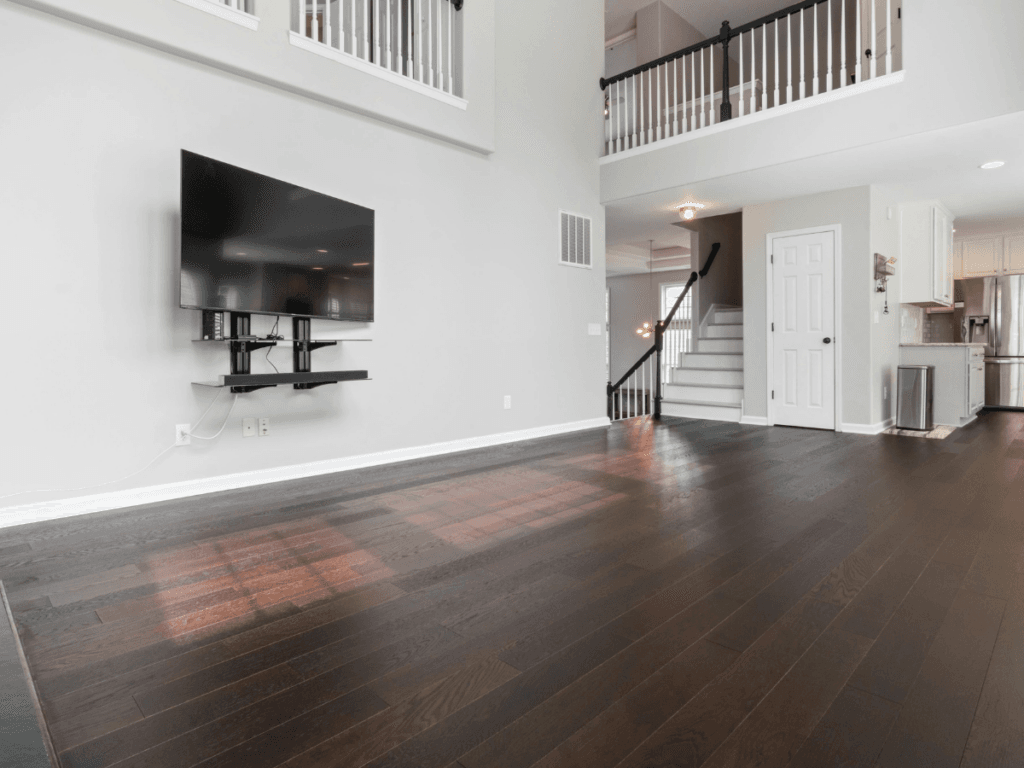
Choosing the right flooring company is just as important as choosing the right flooring material. Homeowners searching for Marietta allergy flooring solutions often benefit from working with local professionals who understand both the climate and the common indoor air quality concerns in the area.
From moisture control to allergen reduction, experienced flooring specialists can help guide homeowners toward options that fit their lifestyle and health priorities.
Working with a trusted local company also creates a smoother experience from consultation to installation. Homeowners can ask questions, compare materials in person, and receive recommendations tailored to their home’s layout, budget, and allergy concerns.
Why Local Flooring Experience Matters
Local flooring experts bring valuable insight that national chains or general contractors may not always provide. Marietta homes can experience humidity and seasonal moisture changes that affect flooring performance over time.
Professionals familiar with the area understand which materials tend to hold up best under local conditions while still supporting cleaner indoor air.
This knowledge becomes especially helpful when comparing options like tile, luxury vinyl plank, or engineered hardwood. Some materials may perform better in specific rooms depending on moisture exposure, traffic levels, and cleaning needs.
Local specialists can explain these differences in practical terms rather than offering one-size-fits-all recommendations.
For homeowners researching Marietta allergy flooring, working with experienced local installers can also reduce the risk of choosing materials that may trap allergens or become difficult to maintain long term.
Personalized Service Makes A Difference
Another advantage of choosing local flooring professionals is the level of personalized service they often provide. Allergy-friendly flooring decisions are not always straightforward, especially for families managing asthma, pet allergies, or dust sensitivities.
A knowledgeable flooring company can walk homeowners through the pros and cons of different surfaces while considering factors like maintenance requirements, durability, and comfort.
Some homeowners may prioritize low-maintenance flooring for busy households, while others may focus on reducing dust accumulation as much as possible.
Local businesses also tend to rely heavily on customer relationships and community reputation. As a result, many prioritize communication, follow-up support, and attention to detail throughout the project.
Understanding Installation Standards And Local Requirements
Professional flooring installation involves more than simply laying materials down. Experienced Marietta contractors understand local building standards, subfloor preparation requirements, and moisture management practices that help allergy-friendly flooring perform properly over time.
Incorrect installation can lead to gaps, trapped moisture, or uneven surfaces where allergens collect more easily. Local professionals are often better equipped to identify these issues before installation begins, helping homeowners avoid costly repairs or indoor air quality concerns later.
This level of preparation is especially important for households specifically investing in Marietta allergy flooring to improve comfort and reduce airborne irritants.
How Customer Reviews Help Homeowners Choose
Customer testimonials can provide helpful insight when comparing flooring companies. Reviews often reveal how well a company communicates, how efficiently projects are completed, and whether homeowners were satisfied with the final results.
Positive feedback commonly highlights professionalism, cleanliness during installation, and the long-term performance of the flooring itself. For allergy-conscious homeowners, reviews may also mention easier cleaning routines, reduced dust buildup, or noticeable improvements in indoor comfort after installation.
Looking through testimonials and before-and-after project examples can help homeowners feel more confident in their decision before committing to a flooring project.
Choosing The Right Partner For Allergy-Friendly Flooring
Finding the right flooring company involves balancing expertise, product selection, and customer service. Homeowners searching for Marietta allergy flooring solutions should look for professionals who understand how flooring materials affect indoor air quality and who take the time to recommend practical options for each home.
Whether upgrading a single room or replacing flooring throughout the house, working with trusted local experts can make the process more manageable and help create a cleaner, healthier living environment for years to come.
Conclusion
Choosing the right flooring can play an important role in creating a cleaner and healthier indoor environment, especially for households dealing with allergies and respiratory sensitivities.
Low-maintenance, hypoallergenic flooring options can help reduce the buildup of dust, pet dander, pollen, and other common allergens while also improving the comfort and appearance of your home.
Whether you are updating a single room or planning a full flooring renovation, working with experienced professionals can help you select the best materials for both style and indoor air quality.
For expert flooring installation and personalized service, choose Abel Pro Flooring. Ready to upgrade your home with allergy-friendly flooring solutions? Call 404-566-0749 or request your free quote today.