Your entryway sets the tone the moment someone steps inside. It’s also one of the hardest-working areas in your home, handling dirt, moisture, and constant foot traffic. Choosing the right flooring is essential if you want a space that looks inviting while holding up to daily wear.
Residential entryway ideas that focus on durable and welcoming flooring balance practicality with style. Materials that resist scratches, moisture, and stains can keep the space looking clean, while the right textures and finishes create a warm first impression.
With a thoughtful approach, your entryway can handle everyday use without sacrificing appearance, giving you a space that feels both functional and well put together from the start.
Residential Entryway Ideas That Make a Strong First Impression
What Are The Most Durable Flooring Materials For Entryways?
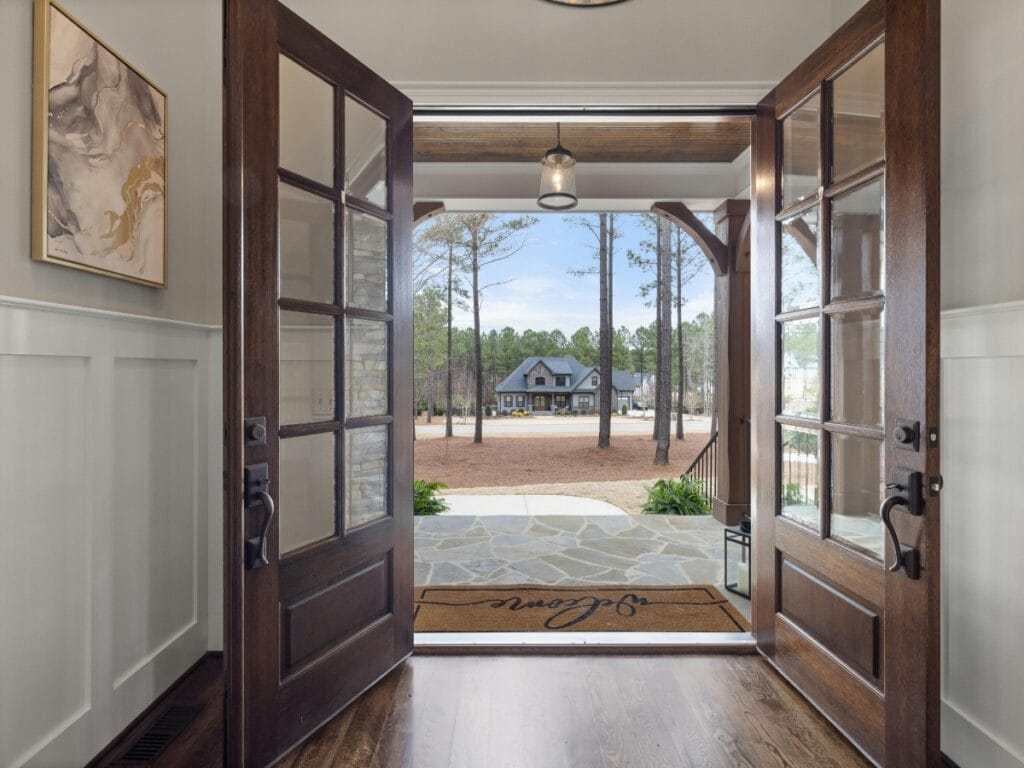
Entryways see more wear than almost any other part of the home. Dirt, moisture, and constant foot traffic all come through this space first, so the flooring needs to hold up without losing its appearance.
When exploring residential entryway ideas, choosing the right material is just as important as the overall design. Durable flooring not only protects your home but also helps maintain a clean and welcoming first impression.
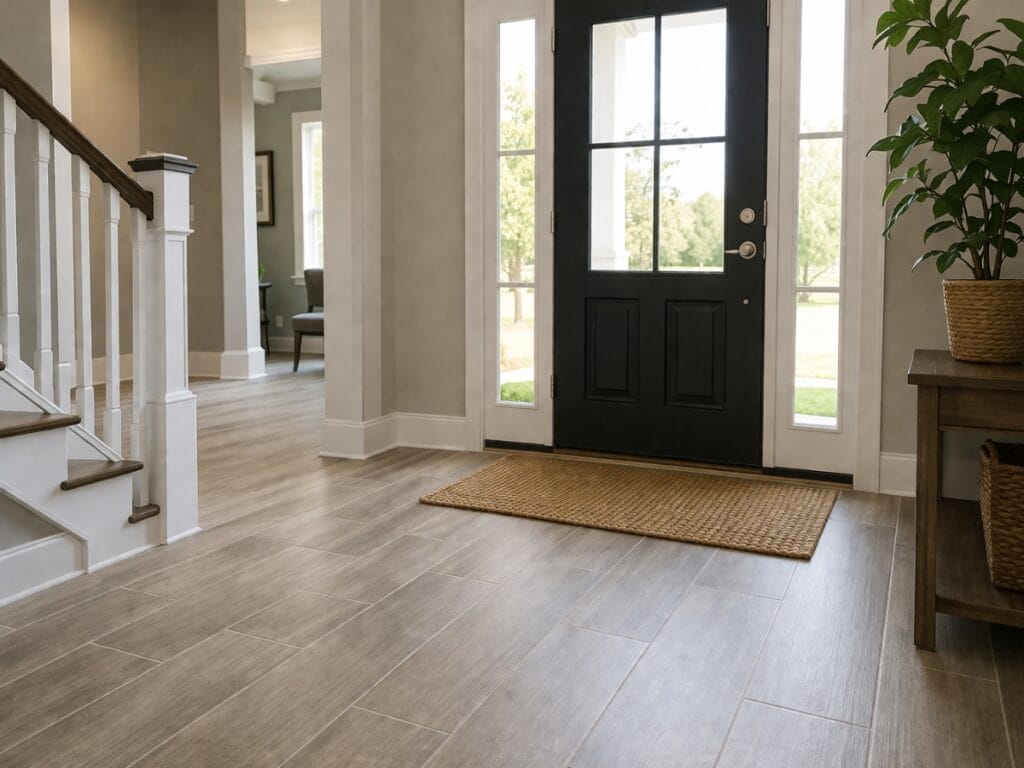
Materials like luxury vinyl plank, porcelain tile, and ceramic tile are commonly used because they balance durability with visual appeal. Each option offers a slightly different experience, which makes it easier to match your flooring choice to your lifestyle and design preferences.
Choosing Flooring That Balances Strength And Style
Durability does not mean sacrificing aesthetics. In fact, many modern flooring options are designed to look like natural materials while offering better performance in high-traffic areas. This is especially useful when considering residential entryway ideas that aim to combine practicality with a polished look.
Luxury vinyl plank is a strong contender for busy households. It handles everyday wear well and is less prone to visible scratches compared to some traditional materials.
It also tends to feel warmer underfoot, which can make the entryway feel more comfortable, especially in homes where people frequently enter without shoes.
Porcelain tile takes durability a step further. It is dense, highly resistant to moisture, and less likely to stain or chip over time. This makes it a reliable choice for entryways exposed to rain, mud, or snow.
Ceramic tile offers similar benefits, though it is typically slightly less dense than porcelain. Still, it remains a solid option for homeowners looking for a balance between cost and performance.
Comparing Porcelain Tile And Luxury Vinyl Plank
While both porcelain tile and luxury vinyl plank are durable, they serve slightly different priorities. Porcelain tile is known for its long lifespan and ability to withstand heavy use without showing signs of wear. It is often chosen for homes where durability is the top concern.
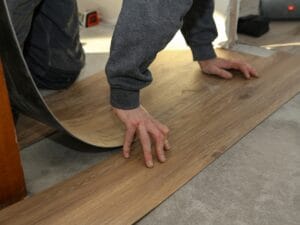
Luxury vinyl plank, on the other hand, offers a more forgiving surface. It has a bit of flexibility, which can make it more comfortable to walk on and less prone to cracking if something heavy is dropped. Installation is also typically faster and less complex, which can be a deciding factor for many homeowners.
When weighing residential entryway ideas, the choice between these materials often comes down to how the space is used. Homes with high moisture exposure may lean toward tile, while those prioritizing comfort and ease of installation may prefer vinyl.
Maintaining Water-Resistant Entryway Floors
One of the advantages of these materials is that they are relatively easy to maintain. Entryways tend to collect debris quickly, so regular cleaning helps preserve the look and function of the flooring.
Sweeping or vacuuming removes dirt before it can cause scratches, while occasional mopping keeps the surface looking fresh.
Water-resistant flooring does not require complicated care routines, but consistency matters. Wiping up moisture promptly helps prevent buildup and keeps the space safe, especially in homes with frequent foot traffic.
Another important factor is protecting the surface from long-term wear. Using rugs or mats near the entrance can reduce the amount of dirt and moisture that reaches the floor. This small addition supports the longevity of your flooring while still allowing your overall design to stand out.
Building A Durable And Welcoming Entryway
Flooring plays a central role in how an entryway functions and feels. The right material supports daily use while contributing to the overall look of the space. When considering residential entryway ideas, focusing on durability ensures that your design holds up over time without constant upkeep.
By choosing materials that match your needs and maintaining them with simple routines, you create an entryway that stays both practical and visually appealing. Over time, this balance makes a noticeable difference in how the space performs and how it welcomes you home.
Which Flooring Options Are Best For Mudrooms To Handle Moisture And Traffic?
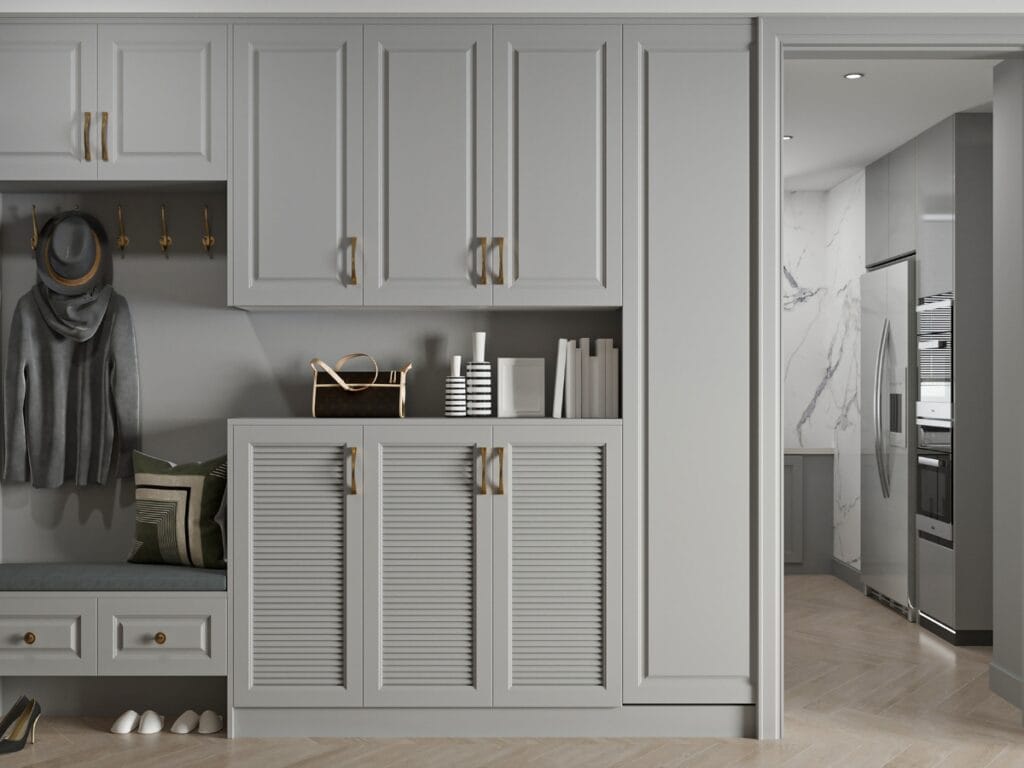
Mudrooms are built to take the brunt of daily life. Wet shoes, dirt, and constant foot traffic all pass through this space, so the flooring needs to be both durable and easy to maintain.
When exploring residential entryway ideas, the mudroom often sets the tone for how well your home handles mess and moisture before it spreads further inside.
Flooring choices like luxury vinyl plank and porcelain tile stand out because they are designed to handle exactly these conditions. They resist water, hold up under heavy use, and are simple to clean, which makes them a reliable foundation for a functional mudroom.
Why Water Resistance Matters In Mudroom Design
Water resistance is not just a nice feature in a mudroom; it is essential. This space regularly deals with damp shoes, rainwater, and occasional spills. Without the right flooring, moisture can seep in and cause long-term issues like warping, staining, or even mold.
In the context of residential entryway ideas, choosing water-resistant materials is a preventative decision. It protects the structure beneath the flooring and reduces the need for repairs over time. It also helps maintain a cleaner, more hygienic space, especially in households with kids or pets.
Porcelain tile is one of the most reliable options in this regard. Its dense composition makes it highly resistant to water absorption, which means it can handle repeated exposure without breaking down. Luxury vinyl plank also performs well, offering a protective layer that keeps moisture from penetrating the surface.
Choosing Materials That Simplify Cleaning
Beyond durability, ease of cleaning is a major factor when selecting mudroom flooring. This space tends to collect debris quickly, so materials that require minimal upkeep can make a noticeable difference in daily routines.
Luxury vinyl plank is a popular choice because it combines practicality with appearance. It mimics the look of wood while offering a surface that can be wiped clean without much effort. This makes it especially appealing for homeowners who want the warmth of wood without the maintenance concerns.
Porcelain tile is another strong option for easy cleaning. Its smooth, non-porous surface allows dirt and moisture to be removed quickly, which helps keep the area looking tidy. For homes that see a lot of outdoor activity, this can be a major advantage.
Laminate flooring is sometimes considered as well, mainly for its affordability and variety of styles. However, it requires a bit more caution around moisture. While it can work in lower traffic or less exposed areas, it may not offer the same level of protection as vinyl or tile in a busy mudroom.
Balancing Function With Overall Entryway Design
Mudrooms are often connected to the main entryway, so the flooring should complement the rest of the home. This is where thoughtful residential entryway ideas come into play.
Instead of treating the mudroom as purely functional, many homeowners are now designing it as a seamless extension of the entry space.
Choosing flooring that transitions well into adjacent areas helps create a more cohesive look. For example, a tile pattern in the mudroom can be carried into the entryway for visual continuity, while still providing the durability needed for high traffic zones.
Texture and finish also play a role. Matte or slightly textured surfaces can help reduce the risk of slipping when floors are wet, which adds another layer of practicality without compromising style.
Creating A Mudroom That Works Long Term
A well-designed mudroom does more than handle daily mess. It supports the overall flow of your home by containing dirt and moisture at the entry point. Flooring is a key part of making that work effectively.
By focusing on water resistance, ease of cleaning, and how the space connects to the rest of your home, you can build a mudroom that stays functional over time.
When paired with thoughtful residential entryway ideas, the result is a space that feels intentional, durable, and ready for everyday use.
How Can Foyer Floor Materials Enhance A Welcoming Entryway Design?
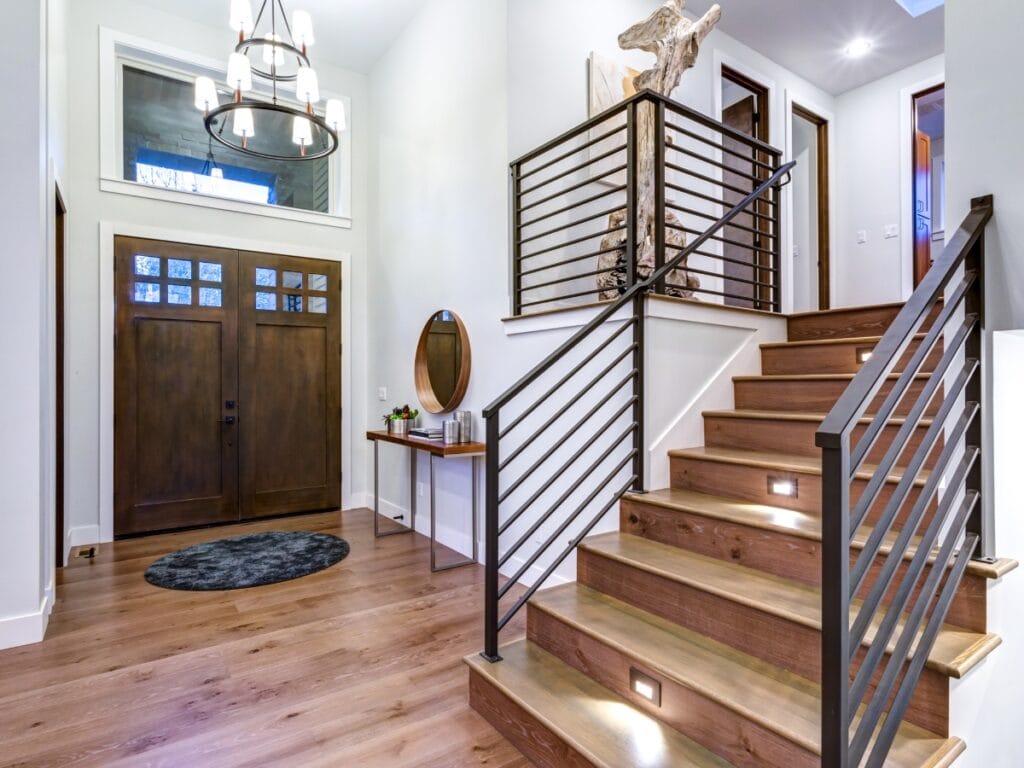
The flooring in your foyer does more than handle foot traffic. It sets the tone for the entire home. The moment someone steps inside, the material underfoot helps shape their first impression.
When you are exploring residential entryway ideas, flooring is often one of the most impactful design choices you can make.
A well-chosen material balances style and practicality. It should feel inviting while still holding up to everyday wear. The goal is to create a space that looks intentional, not just functional.
Choosing Flooring Styles That Balance Style And Durability
Different flooring materials bring different strengths to a foyer, and the right choice depends on how the space is used. Some homeowners prioritize warmth and character, while others focus on durability and ease of maintenance.
Hardwood remains a popular option because of its classic look. It adds warmth and makes an entryway feel more connected to the rest of the home. However, it does require some care, especially in areas exposed to moisture or dirt.
Laminate offers a similar appearance at a more accessible price point. It is designed to resist scratches and wear, making it a practical choice for busy households.
For those looking for flexibility in design, vinyl flooring stands out. It comes in a wide range of styles and textures, and many options are built to handle moisture and heavy use without compromising appearance.
Each of these materials supports different residential entryway ideas, whether you are aiming for a traditional look or something more modern and low-maintenance.
Using Color To Shape First Impressions
Color plays a subtle but powerful role in how an entryway feels. It can influence how spacious, bright, or grounded the space appears. Lighter flooring tones tend to open up smaller foyers, reflecting natural light and making the area feel more expansive.
Darker tones, on the other hand, create a sense of depth and structure. They can make a larger entryway feel more defined and polished. This approach works well when paired with lighter walls or natural lighting, creating contrast without overwhelming the space.
When thinking through residential entryway ideas, it helps to consider how the flooring color connects to nearby rooms. A consistent palette can make the transition from the entryway into the rest of the home feel more seamless.
Adding Texture For Visual And Practical Impact
Texture is often overlooked, but it can make a noticeable difference in both appearance and function. A smooth, polished surface gives a clean and refined look, while textured finishes add dimension and help disguise everyday wear.
In entryways that deal with frequent foot traffic, a slightly textured surface can also improve traction. This is especially useful in homes where moisture may be tracked inside. Materials like embossed vinyl or lightly textured tile can offer this balance without feeling overly rough.
Texture also contributes to the overall design story. It can soften a modern space or add character to a more traditional setting, depending on how it is used.
Creating A Cohesive And Practical Entryway
A successful foyer design brings together material, color, and texture in a way that feels intentional. Flooring should not feel like an afterthought. Instead, it should support how the space functions while enhancing its overall look.
When evaluating residential entryway ideas, it helps to think beyond appearance alone. Consider how the flooring will handle daily use, how it connects to the rest of the home, and how it contributes to the atmosphere you want to create.
With the right approach, your foyer becomes more than just a transition space. It becomes a welcoming introduction to your home, combining durability with thoughtful design in a way that feels both practical and inviting. the space.
Combining colors and textures effectively can lead to a harmonious and inviting entryway design.
What Are The Benefits Of Professional Installation For Entryway Flooring?
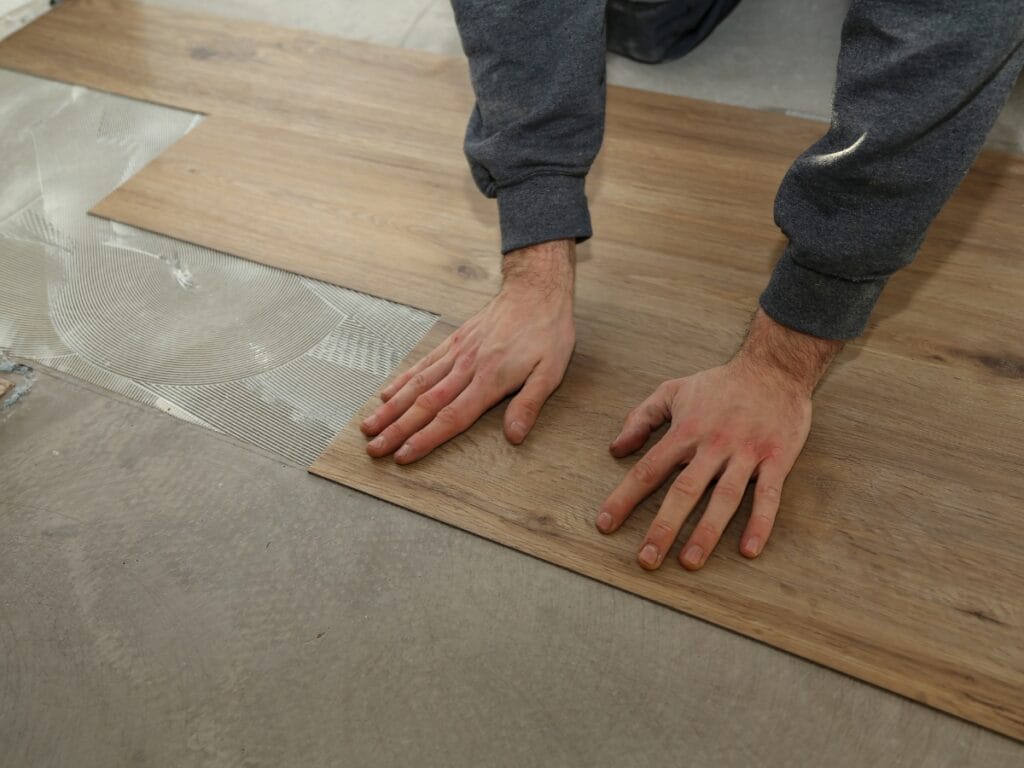
Choosing the right material is only part of the process. How that flooring is installed has just as much impact on how it performs over time. Many homeowners exploring residential entryway ideas focus on style and durability, but professional installation is what brings those choices together in a lasting way.
Working with experienced installers helps ensure the flooring is properly fitted from the start. Entryways deal with constant foot traffic, shifting temperatures, and exposure to moisture, so small mistakes during installation can lead to bigger issues later.
A professional approach reduces that risk and helps the flooring hold up under daily use.
How Proper Installation Supports Long-Term Performance
One of the biggest advantages of professional installation is how it affects durability. Even high-quality materials can fail if they are not installed correctly. Uneven subfloors, improper spacing, or poor sealing can lead to problems like warping, lifting, or premature wear.
Professionals take the time to prepare the surface before installation begins. This includes leveling the subfloor, addressing moisture concerns, and making sure the material is suited for the space.
These steps are not always visible once the job is complete, but they play a major role in how well the flooring performs over time.
For homeowners considering residential entryway ideas that involve tile, vinyl, or hardwood, this level of preparation is especially important. Entryways are one of the most demanding areas in a home, and proper installation helps ensure the flooring can handle that pressure.
Elevating The Overall Look Of Your Entryway
Beyond durability, professional installation also improves the finished appearance of your entryway. Details like pattern alignment, clean edges, and smooth transitions between rooms can make a noticeable difference in how the space feels.
For example, tile layouts often require precise spacing and alignment to avoid uneven lines. Similarly, plank flooring needs consistent placement to maintain a natural flow. Professionals understand how to manage these details so the final result looks intentional rather than pieced together.
This becomes even more important when your entryway connects to other living spaces. A well-executed installation helps create a seamless transition, which is a key part of many residential entryway ideas focused on cohesion and flow.
Understanding The Installation Process From Start To Finish
For homeowners who have not gone through a flooring project before, the process can feel uncertain. In most cases, professional installation begins with an assessment of the space.
This includes taking measurements, reviewing the condition of the subfloor, and helping you select materials that fit both your design goals and practical needs.
Once the planning stage is complete, the installation itself typically moves in phases. The area is prepared, the flooring is laid with attention to spacing and alignment, and any finishing details, such as trims or transitions, are added.
Afterward, a final walkthrough ensures everything meets expectations and gives you a chance to address any questions. Clear communication throughout this process makes a difference. A reliable installation team will keep you informed, explain what to expect at each stage, and make adjustments when needed.
Making The Most Of Your Entryway Investment
Entryway flooring is one of the first things people notice when they enter your home. It also happens to be one of the most heavily used areas. Investing in professional installation helps protect that investment by ensuring the flooring looks good and performs well for years.
When you are planning residential entryway ideas, it is easy to focus on design choices alone. However, the installation process plays a major role in the final outcome. With the right expertise, your entryway can strike the right balance between style, durability, and long-term reliability.
How Do Local Metro Atlanta Trends Influence Entryway Flooring Choices?
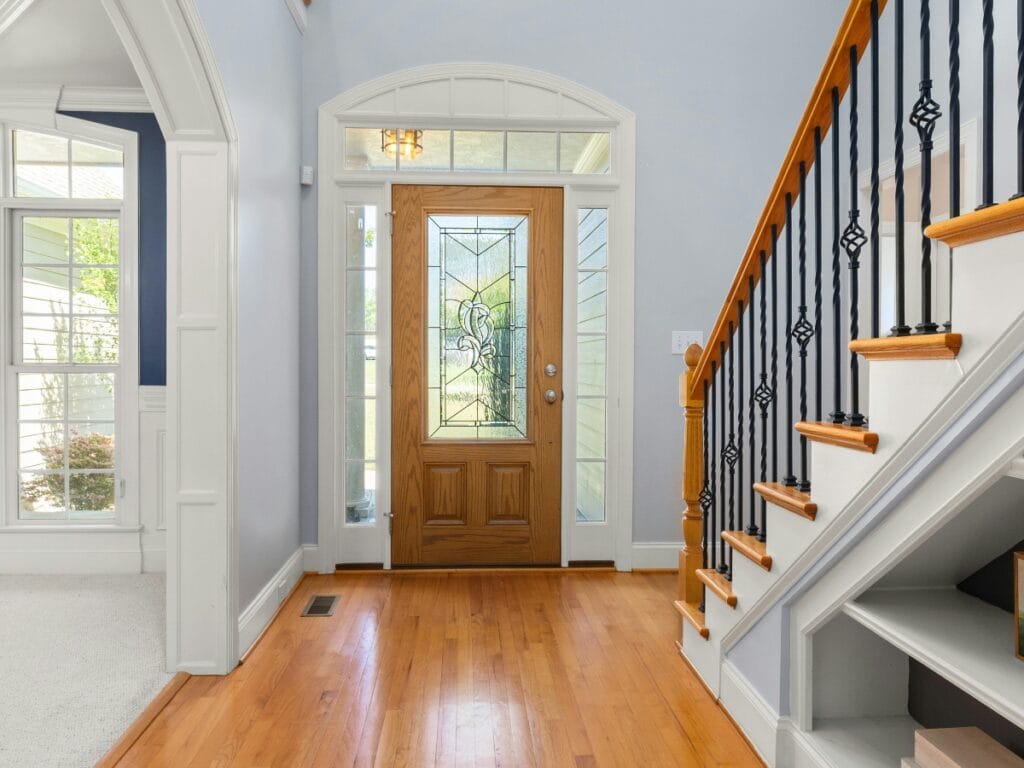
Where you live plays a big role in how your entryway should function. In Metro Atlanta, climate and lifestyle both shape the way homeowners approach design decisions.
When exploring residential entryway ideas, it is not just about appearance. It is about choosing materials that can handle the environment while still fitting the overall style of the home.
Atlanta’s mix of humidity, seasonal rain, and active households means entryways need to be both durable and low-maintenance. This has led to a noticeable shift toward materials that balance performance with design flexibility.
Popular Flooring Choices In Metro Atlanta Homes
In many Atlanta homes, flooring selections are driven by practicality first, then style. Materials like luxury vinyl plank and porcelain tile have become common choices because they hold up well under daily wear and are less sensitive to moisture.
Luxury vinyl plank is especially popular for homeowners who want the look of hardwood without the upkeep. It offers a softer feel underfoot and works well in spaces that see frequent traffic.
Porcelain tile, on the other hand, is often chosen for its durability and clean finish. It handles moisture easily and can maintain its appearance over time with minimal effort.
These materials support a wide range of residential entryway ideas, from modern and streamlined designs to more traditional layouts. Their versatility allows homeowners to adapt their entryways without sacrificing performance.
How Climate Shapes Long-Term Flooring Performance
Atlanta’s humid conditions can quietly affect flooring if the wrong materials are used. Moisture in the air, combined with water tracked in from outside, can lead to issues like warping, swelling, or mold growth. This is why material selection matters as much as design.
Choosing moisture-resistant flooring helps prevent these problems before they start. It also reduces the need for ongoing repairs or replacements, which can become costly over time. For entryways that serve as a transition between outdoors and indoors, this level of protection is especially important.
Homeowners who take climate into account when planning residential entryway ideas often end up with spaces that not only look better but also last longer. It is a practical approach that pays off over time.
Balancing Regional Style With Practical Needs
Beyond climate, local design preferences also influence flooring choices. In Metro Atlanta, there is a strong emphasis on creating spaces that feel both welcoming and functional. Entryways are often designed to handle everyday use while still making a good first impression.
This balance shows up in the way materials are selected and combined. For example, a tile entryway might be paired with warmer finishes in adjacent rooms to create contrast without feeling disconnected. Similarly, neutral tones are often used to keep the space adaptable to changing decor styles.
These decisions reflect a broader trend in residential entryway ideas, where homeowners are looking for designs that feel intentional but not overly complicated. The goal is to create a space that works for daily life while still reflecting personal style.
Making Informed Flooring Decisions For Your Entryway
Taking local trends into account can simplify the decision-making process. Instead of choosing materials based on appearance alone, it helps to consider how they will perform in your specific environment.
In Metro Atlanta, that often means prioritizing moisture resistance, durability, and ease of maintenance. When those factors are combined with thoughtful design choices, the result is an entryway that feels cohesive and built to last.
By aligning your flooring selection with both climate and design preferences, you can create an entryway that supports your home in a practical way while still delivering on style.
Conclusion
Your entryway sets the tone for your entire home—it’s the first impression guests receive and the hardworking space that withstands daily foot traffic, dirt, and moisture.
Choosing durable yet welcoming flooring, such as luxury vinyl, tile, or sealed hardwood, ensures this high-traffic area remains beautiful and functional for years. For expert guidance in selecting and installing the perfect entryway flooring that balances style with resilience, trust Abel Pro Flooring.
Ready to create a stunning, long-lasting first impression? Call 404-566-0749 or visit our website for a free quote today. Let our team help you design an entryway that welcomes guests warmly and stands up to real life.