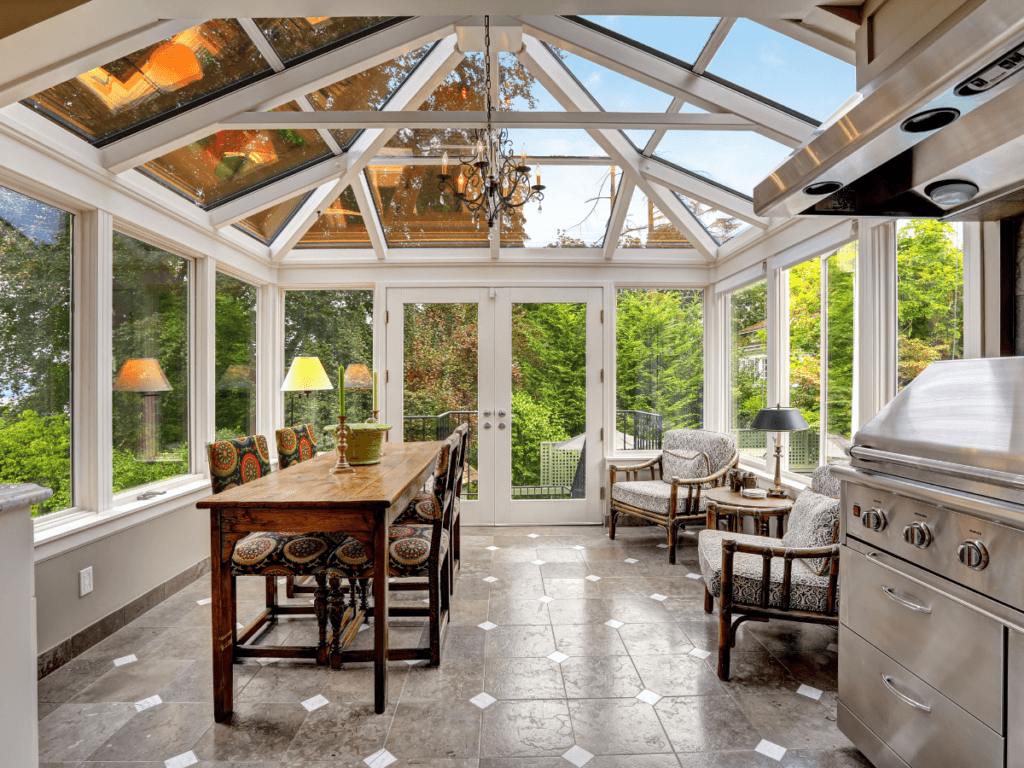
Sunrooms and conservatories are designed to bring in natural light, but all that sunlight can put extra demands on your flooring. Temperature changes, moisture, and constant UV exposure require materials that can handle bright conditions without fading, warping, or wearing down too quickly.
The best sunroom flooring ideas for conservatories and bright spaces balance durability with comfort and style. Light-reflective surfaces, moisture-resistant materials, and easy-to-maintain finishes can help the space feel open and inviting while standing up to everyday use.
With the right flooring choice, a sunroom can remain bright, comfortable, and visually connected to the rest of your home while still performing well in changing conditions.
Sunroom Flooring Options That Balance Beauty and Durability
Top-Performing Flooring Materials for Sunrooms and Conservatories
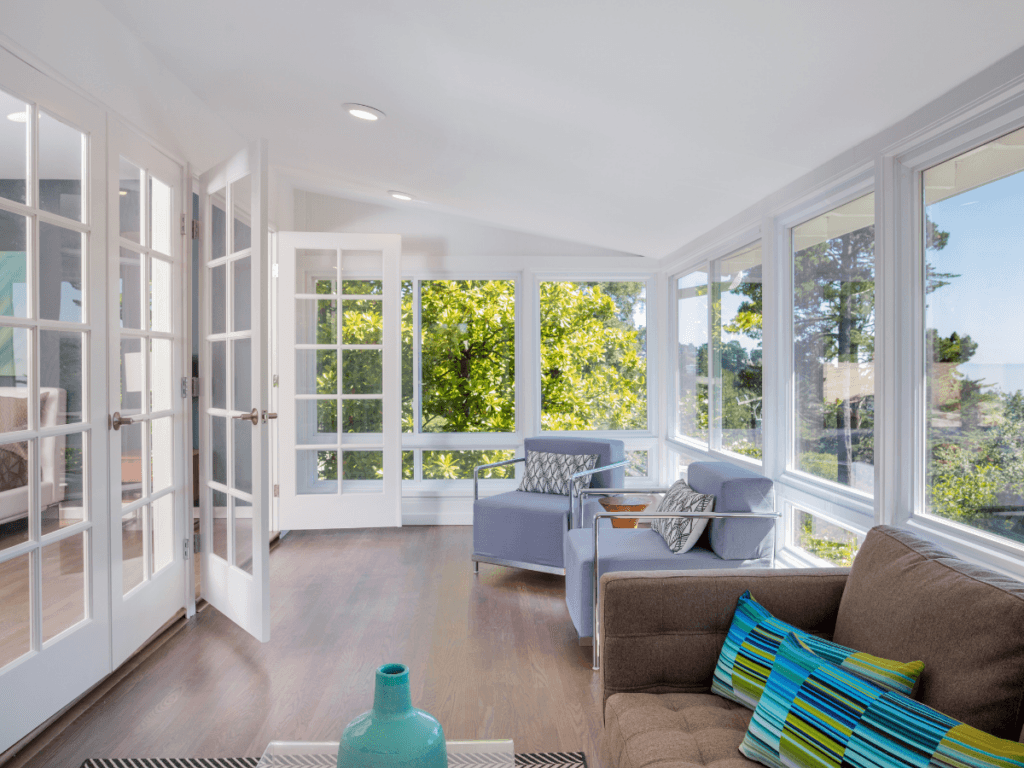
Choosing the right flooring for a sunroom or conservatory involves balancing durability, comfort, and resistance to changing environmental conditions.
These spaces often experience more sunlight, humidity, and temperature fluctuation than the rest of the home, which means not every flooring material performs equally well.
The best sunroom flooring options are designed to handle moisture, direct sunlight, and everyday foot traffic while still maintaining an attractive appearance over time.
Popular choices for sunroom flooring include tile, luxury vinyl plank, engineered hardwood, laminate, and, in some cases, carpet. Each material offers different advantages depending on how the room is used and the level of climate exposure it receives throughout the year.
How Does Tile Flooring Handle Moisture And Temperature Changes?
Tile flooring remains one of the most reliable choices for sunrooms and conservatories because of its exceptional resistance to moisture and heat.
Ceramic and porcelain tile do not easily warp, swell, or crack when exposed to humidity or fluctuating temperatures, making them especially practical for rooms with heavy sun exposure.
Another advantage of tile is its low-maintenance surface. Dirt, moisture, and dust can usually be cleaned with minimal effort, which helps preserve the flooring’s appearance over time.
Tile also comes in a wide variety of colors, textures, and patterns, allowing homeowners to create either a modern or traditional look depending on the style of the space.
Some modern tile systems also incorporate resin-enhanced materials and sealants that improve water resistance even further. These added protective features can help extend the lifespan of sunroom flooring in areas where humidity levels regularly change.
Why Is Luxury Vinyl Plank Popular For Sunroom Flooring?
Luxury vinyl plank, often referred to as LVP, has become increasingly popular for sunroom flooring because it combines durability with the appearance of natural materials like hardwood or stone.
Unlike traditional wood flooring, LVP is highly resistant to moisture, making it a strong option for rooms exposed to condensation or seasonal humidity.
Another reason homeowners choose luxury vinyl plank is comfort. Compared to tile, vinyl flooring tends to feel softer and warmer underfoot, which can make sunrooms feel more inviting year-round.
Many styles also include textured surfaces and realistic wood grain designs that closely resemble natural hardwood without the maintenance concerns.
In addition to its waterproof qualities, LVP handles heavy foot traffic well and is generally easier to install than some other flooring materials. For homeowners looking for practical sunroom flooring with a residential, comfortable feel, luxury vinyl remains a versatile option.
Which Flooring Materials Work Best In Fluctuating Climates?
Conservatories and enclosed sunrooms often experience dramatic shifts in temperature between seasons. Because of this, flooring materials must remain stable despite repeated expansion and contraction caused by heat and humidity.
Engineered hardwood performs particularly well in these environments because of its layered construction. Unlike solid hardwood, engineered planks are designed to resist warping when exposed to temperature changes.
This makes engineered wood a more dependable option for sunroom flooring while still preserving the warm, natural appearance many homeowners prefer.
Recent research on thermally modified wood products has also shown promising improvements in durability and dimensional stability, especially in climates with frequent environmental changes. These treatments help strengthen wood-based flooring against moisture and heat-related stress.
Laminate flooring can also perform well in conservatories when properly installed and maintained. It offers a wood-like appearance at a lower price point and typically resists fading better than some natural materials exposed to constant sunlight.
Should You Choose Laminate Or Carpet For A Conservatory?
Laminate and carpet create very different experiences in a conservatory space. Laminate flooring is generally easier to maintain and handles moisture more effectively than carpet, making it the more practical option for rooms exposed to sunlight and humidity.
Carpet, however, offers softness and warmth that some homeowners prefer, especially in sunrooms designed primarily for relaxation. The downside is that carpet can trap moisture, dust, and allergens more easily, particularly in humid conditions.
When selecting sunroom flooring, the best choice often depends on how the room will be used. Spaces designed for entertaining, dining, or heavy daily use may benefit more from durable hard surfaces, while low-traffic areas focused on comfort may still work well with carpet under the right conditions.
How To Choose The Right Sunroom Flooring Style For Your Space
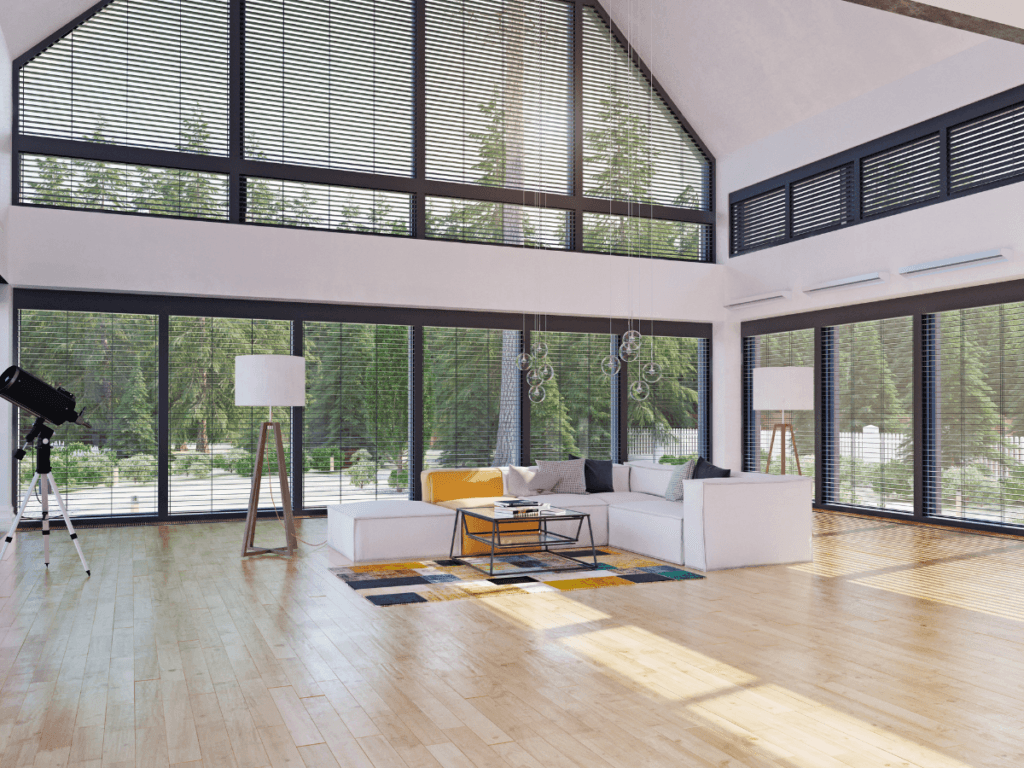
Choosing the right sunroom flooring involves more than simply selecting the most durable material. While performance is important, the flooring also plays a major role in how the room feels, functions, and connects with the rest of the home.
Since sunrooms are filled with natural light and often serve multiple purposes throughout the year, the flooring should support both comfort and visual appeal.
The best sunroom flooring choices balance style, practicality, and long-term usability. Factors like color, texture, temperature comfort, and room layout all influence how the space looks and feels on a daily basis.
By considering these details early in the design process, homeowners can create a sunroom that feels bright, cohesive, and comfortable year-round.
Should Sunroom Flooring Match The Rest Of The Home?
One of the first decisions homeowners face is whether the sunroom flooring should match the surrounding rooms. In open-concept homes, continuing the same flooring into the sunroom can create a smoother visual transition and make the entire space feel larger and more connected.
This approach often works especially well with engineered hardwood or luxury vinyl plank that closely resembles the flooring used throughout the main living areas.
In other cases, using a contrasting flooring material can help define the sunroom as its own separate retreat. For example, homeowners may choose tile flooring in the sunroom even if hardwood is used elsewhere in the home.
The contrast can give the space a lighter, more relaxed atmosphere while still complementing the overall design. The decision often depends on how the room will be used.
Sunrooms intended for entertaining or daily family use may benefit from continuity, while spaces designed for reading, relaxing, or indoor gardening may feel more intentional with a distinct flooring style.
Which Flooring Colors Work Best In Bright Sunrooms?
Natural light has a significant effect on how flooring colors appear throughout the day. In bright sunrooms, lighter flooring tones often help reflect sunlight and create an open, airy feel.
Soft oak finishes, light gray tile, and neutral-toned luxury vinyl plank are popular choices because they brighten the room without overwhelming the space.
Darker flooring can also work well in sunrooms, particularly in larger areas with balanced lighting. Deep wood tones or charcoal tile can add warmth and contrast, especially when paired with lighter walls and furniture. However, darker materials may absorb more heat and show dust more easily in rooms with constant sunlight.
When selecting sunroom flooring, it is important to view samples in the actual room during different times of day. Sunlight can dramatically change how colors appear, and a flooring material that looks subtle in a showroom may appear much brighter once installed in a conservatory or enclosed porch.
How Does Flooring Influence Comfort In A Four-Season Sunroom?
Comfort is another major consideration when choosing sunroom flooring, especially in four-season spaces that experience both summer heat and cooler winter temperatures. Some materials naturally feel cooler underfoot, while others provide more warmth and softness.
Tile flooring, for example, remains one of the most durable choices for sunrooms but can feel cold during colder months unless paired with radiant heating.
Luxury vinyl plank tends to feel warmer and softer, making it a comfortable option for spaces used year-round. Engineered hardwood offers a balance between warmth and durability while maintaining a more traditional residential appearance.
Insulation and underlayment also affect how comfortable the flooring feels. Proper installation can help regulate temperature, reduce noise, and improve overall comfort inside the sunroom.
What Flooring Styles Work Best For Different Sunroom Designs?
Different flooring styles can completely change the atmosphere of a sunroom. Modern spaces often feature large-format tile, sleek finishes, and minimalist color palettes that emphasize clean lines and natural light.
Traditional sunrooms may lean toward engineered hardwood or warm wood-look flooring that creates a more classic and inviting feel.
Coastal-inspired sunrooms frequently use light-toned flooring with subtle texture to create a relaxed, breezy appearance. In rustic or farmhouse-style spaces, distressed wood-look vinyl or textured tile can add character while still offering durability.
The right sunroom flooring should support both the style of the home and the practical demands of the space. By combining comfort, durability, and thoughtful design, homeowners can create a sunroom that feels welcoming and functional in every season.
How Does Professional Flooring Installation Enhance Sunroom Flooring Longevity?
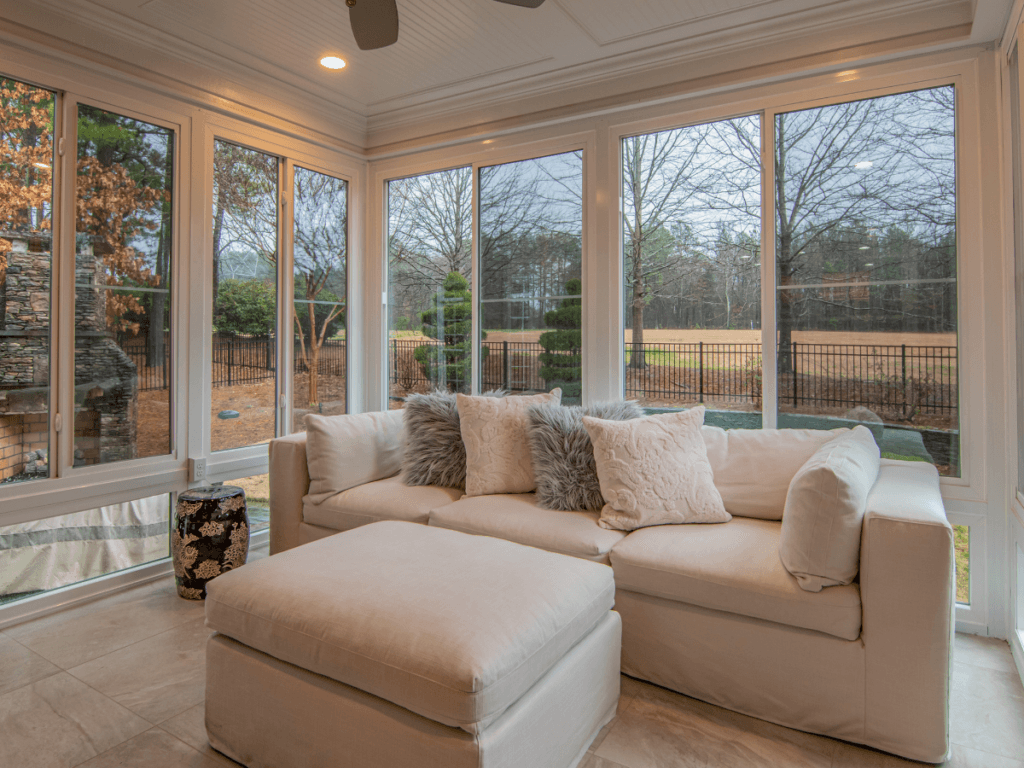
Professional installation has a major impact on how well sunroom flooring performs over time. Sunrooms and conservatories are exposed to more sunlight, humidity, and temperature fluctuation than most interior spaces, so even high-quality flooring materials can develop problems if they are not installed correctly.
Proper installation helps prevent issues such as uneven surfaces, moisture damage, gaps, and premature wear. One of the most important factors in flooring longevity is subfloor preparation.
Before any flooring is installed, the underlying surface must be clean, level, and structurally sound. In sunrooms, where moisture and temperature changes are common, installers often take extra precautions to address potential expansion, contraction, or condensation issues before laying the flooring itself.
Professional installers also understand the specific installation requirements of different materials. Tile, luxury vinyl plank, laminate, and engineered hardwood all react differently to environmental conditions.
Experienced contractors know how to allow for expansion gaps, apply the correct adhesives, and use underlayment materials that improve both stability and moisture protection.
When sunroom flooring is installed properly from the beginning, homeowners are less likely to encounter costly repairs or maintenance issues later.
Why Does Underlayment Matter In Sunroom Flooring?
Underlayment plays a key role in protecting sunroom flooring from moisture and temperature-related damage. This layer sits between the subfloor and the finished flooring material, helping create a more stable foundation while improving insulation and moisture resistance.
In rooms exposed to sunlight and changing temperatures, underlayment can also help reduce expansion and contraction that might otherwise damage the flooring over time.
Some underlayment products are designed specifically to provide vapor protection, which is especially useful in humid environments or sunrooms built over concrete slabs.
The right underlayment can also improve comfort underfoot and reduce sound transmission, making the room feel quieter and more comfortable overall. While it may not always be visible once the project is complete, it is often one of the most important components of a durable flooring installation.
What Should Homeowners Expect From Local Flooring Installation Services?
When working with local flooring professionals, homeowners can usually expect a process that begins with an in-home consultation. During this stage, installers evaluate the sunroom’s conditions, discuss material options, and recommend flooring products that match both the design goals and environmental demands of the space.
Many flooring companies in areas like Metro Atlanta also help homeowners compare moisture resistance, durability, and maintenance requirements between different flooring materials.
This guidance can be especially valuable when selecting sunroom flooring because not every product performs equally well in spaces with direct sunlight or seasonal humidity changes.
Transparent pricing and detailed estimates are also important parts of the process. Reputable installers typically outline labor costs, material expenses, preparation work, and estimated timelines before installation begins.
Reading customer reviews and checking previous project examples can also help homeowners choose a contractor with experience handling sunrooms and conservatories specifically.
How Does Installation Quality Affect Long-Term Maintenance?
The quality of installation directly influences how much maintenance sunroom flooring will require over time. Floors that are improperly installed may develop loose planks, cracked grout lines, uneven surfaces, or moisture-related issues much sooner than expected.
A professionally installed floor is generally easier to maintain because the materials fit together correctly and perform as intended. Proper spacing, sealing, and leveling all contribute to a surface that handles daily use more effectively and resists long-term wear.
For example, tile flooring installed on an uneven surface may crack over time, while poorly installed vinyl planks can separate at the seams when exposed to heat. Professional installation reduces the likelihood of these problems and helps preserve both the appearance and functionality of the flooring.
Why Professional Installation Is Worth Considering
While some homeowners consider DIY installation, sunroom flooring often presents additional challenges that require specialized knowledge. Moisture control, sunlight exposure, and changing temperatures can all affect how flooring materials behave after installation.
Professional installers understand how to account for these conditions while ensuring the flooring remains durable and visually appealing for years to come.
Investing in expert installation not only improves the finished appearance of the room but also helps protect the flooring from avoidable damage and premature replacement.
What Are The Maintenance Tips For Long-Lasting Sunroom And Conservatory Floors?
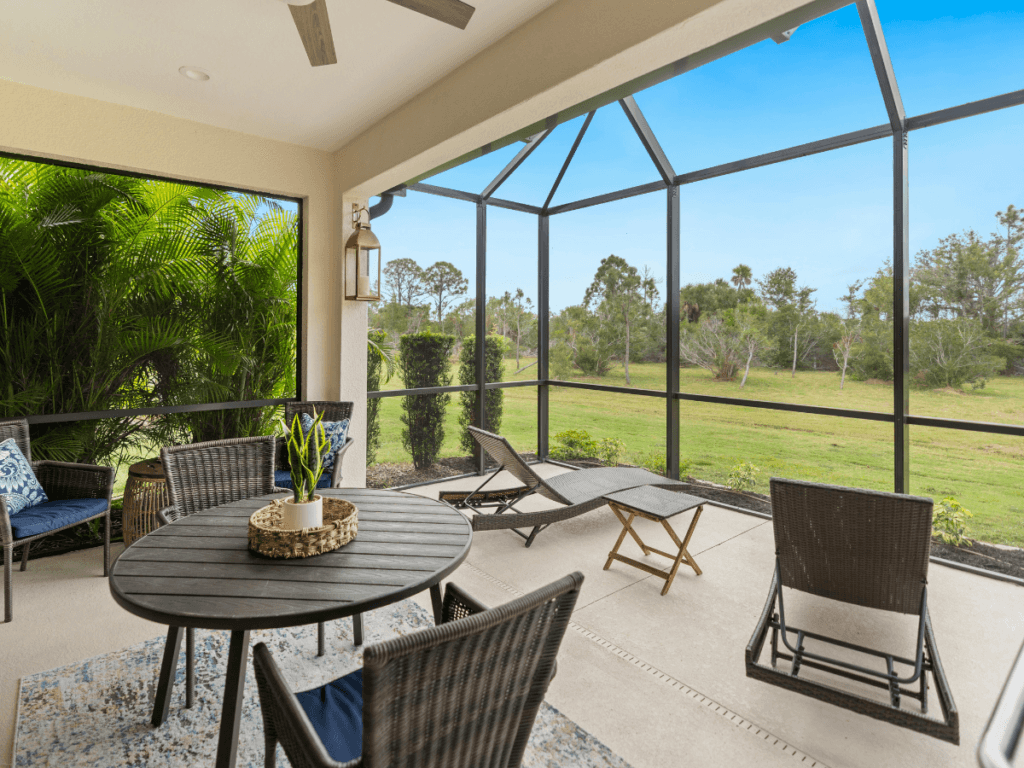
Proper maintenance is one of the most important factors in extending the life of sunroom flooring.
Because sunrooms and conservatories experience more sunlight, humidity, and temperature fluctuation than most indoor spaces, flooring materials in these rooms often require more attention to stay in good condition over time.
Regular cleaning, moisture management, and using the right products for each flooring type can help prevent premature wear and preserve the appearance of the room. Even durable materials like tile, luxury vinyl plank, and engineered hardwood benefit from consistent care.
Research on flooring life cycle costs has also shown that maintenance plays a larger role in long-term flooring performance than many homeowners realize. Floors that are cleaned and protected properly tend to last significantly longer and require fewer costly repairs or replacements.
Why Is Routine Maintenance Important For Sunroom Flooring?
Sunroom flooring is exposed to unique environmental conditions that can gradually affect its appearance and durability. Direct sunlight can cause fading, while humidity and temperature swings may lead to expansion, contraction, or moisture-related damage if the flooring is not maintained properly.
Routine maintenance helps reduce these risks before they become larger problems. Simple habits such as sweeping regularly, cleaning spills quickly, and controlling indoor humidity can make a noticeable difference in how well flooring holds up over time.
Preventive care also helps preserve the visual appeal of the space. Dust, dirt, and debris can scratch certain flooring surfaces if left unattended, particularly in high-traffic areas where outdoor particles are frequently tracked inside.
How Should You Care For Tile And Luxury Vinyl Plank Flooring?
Tile and luxury vinyl plank are both popular sunroom flooring choices because they handle moisture well and are relatively easy to maintain. However, each material still benefits from proper cleaning techniques.
Tile flooring should be swept or vacuumed regularly to remove grit that can dull the surface or wear down grout lines over time.
Mopping with a mild cleaner designed for tile helps maintain its finish without leaving residue behind. In sunrooms with heavy sunlight exposure, periodic grout cleaning may also help preserve the overall appearance of the floor.
Luxury vinyl plank flooring requires gentle cleaning products that will not damage the protective wear layer. Harsh chemicals and abrasive scrubbers should generally be avoided because they can reduce the floor’s durability and affect its finish. A damp microfiber mop is usually enough for routine cleaning.
Proper ventilation also plays an important role in maintaining both tile and vinyl flooring. Reducing excess humidity inside the sunroom helps minimize moisture buildup and supports the long-term stability of the flooring materials.
What Are The Best Maintenance Practices For Engineered Hardwood?
Engineered hardwood adds warmth and character to sunrooms, but it does require more careful maintenance than moisture-resistant surfaces like tile or vinyl. Dirt and debris should be removed regularly using a soft broom, microfiber dust mop, or vacuum designed for hardwood floors.
Cleaning products specifically made for engineered wood are recommended because excessive moisture can still damage the material over time. Rather than soaking the floor, homeowners should use lightly damp cleaning methods that remove dirt without oversaturating the surface.
Protective measures can also help preserve engineered hardwood flooring. Area rugs in high-traffic sections of the sunroom can reduce surface wear, while furniture pads help prevent scratches and dents.
Since direct sunlight can gradually affect wood finishes, window treatments or UV-protective film may help reduce fading in especially bright rooms.
How Can You Extend The Lifespan Of Sunroom Flooring?
Long-lasting sunroom flooring depends on both the quality of the material and the consistency of maintenance. Addressing spills quickly, controlling humidity, and following manufacturer cleaning recommendations all contribute to better long-term performance.
Seasonal inspections can also help homeowners identify early signs of wear before they become larger issues. Checking for loose planks, cracked grout, moisture buildup, or fading allows problems to be corrected early, often preventing more extensive repairs later.
With the right care routine, sunroom flooring can remain attractive and functional for many years, even in spaces exposed to constant sunlight and changing environmental conditions.
Conclusion
Choosing the right flooring for a sunroom or conservatory can completely transform the space by balancing comfort, durability, and style in an area filled with natural light.
From moisture-resistant options to warm wood-inspired finishes, the right materials help create a bright and inviting environment that can be enjoyed year-round. Working with experienced flooring professionals ensures you select a solution that fits both the look of your home and the demands of the space.
Abel Pro Flooring offers expert flooring installation services and personalized guidance to help homeowners create beautiful, functional sunrooms and living spaces. To explore your options or request a free quote, call 404-566-0749 or get a free quote through our site form today