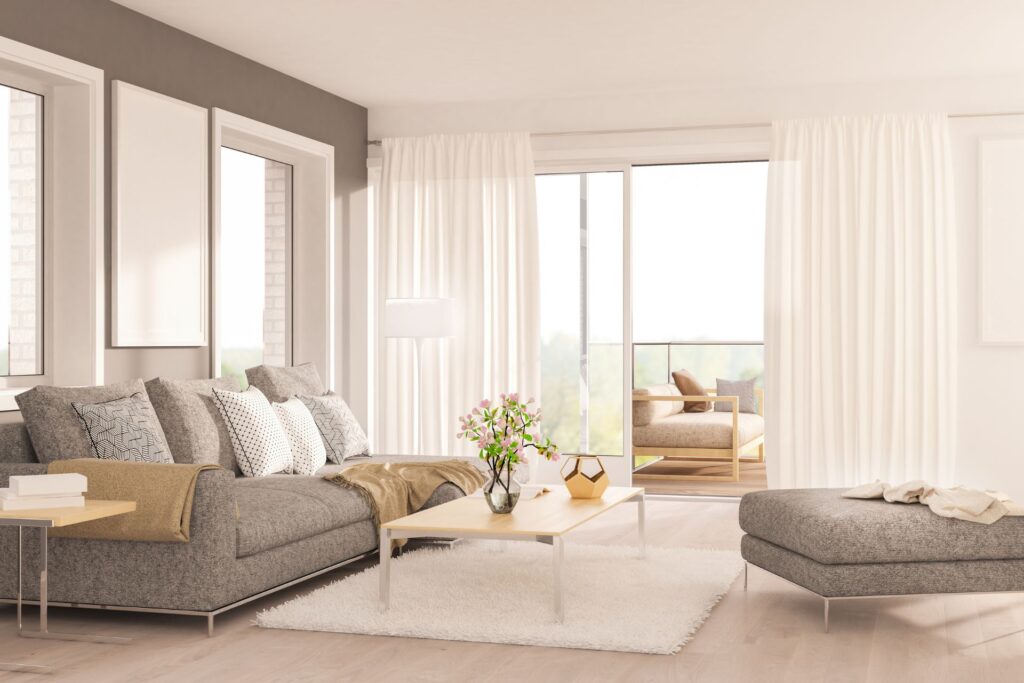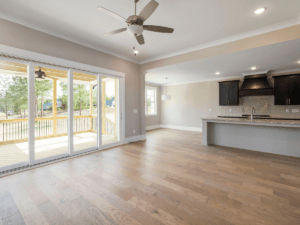
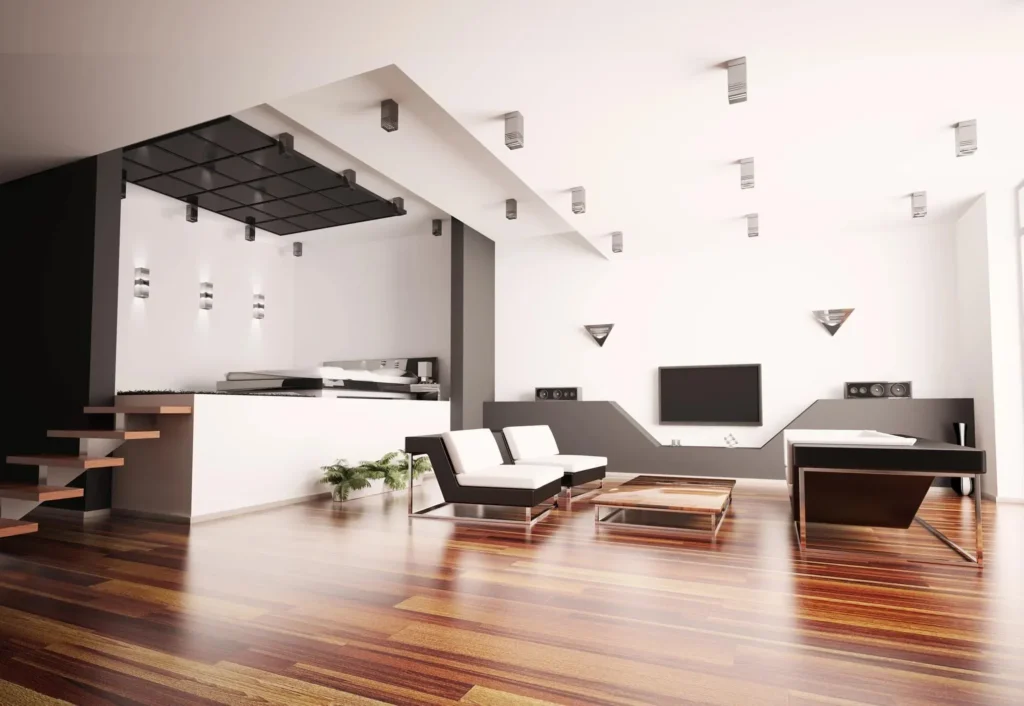
Minimalist interiors rely on clean lines, open spaces, and thoughtful design, and the flooring you choose sets the foundation for that entire aesthetic. The right material can make a home feel brighter, more spacious, and effortlessly cohesive, while the wrong choice can disrupt the simplicity you’re trying to achieve.
Contemporary minimalist flooring choices focus on subtle textures, neutral tones, and durable materials that complement modern living without competing for attention.
Whether you prefer wide-plank hardwood, luxury vinyl, polished concrete, or large-format tile, the goal is to create a seamless look that enhances the overall design.
With the right flooring, you can achieve a sleek, timeless style that balances visual simplicity with everyday comfort and long-lasting performance.
Minimalist Flooring Choices That Balance Style and Function
Best Minimalist Flooring Design Strategies
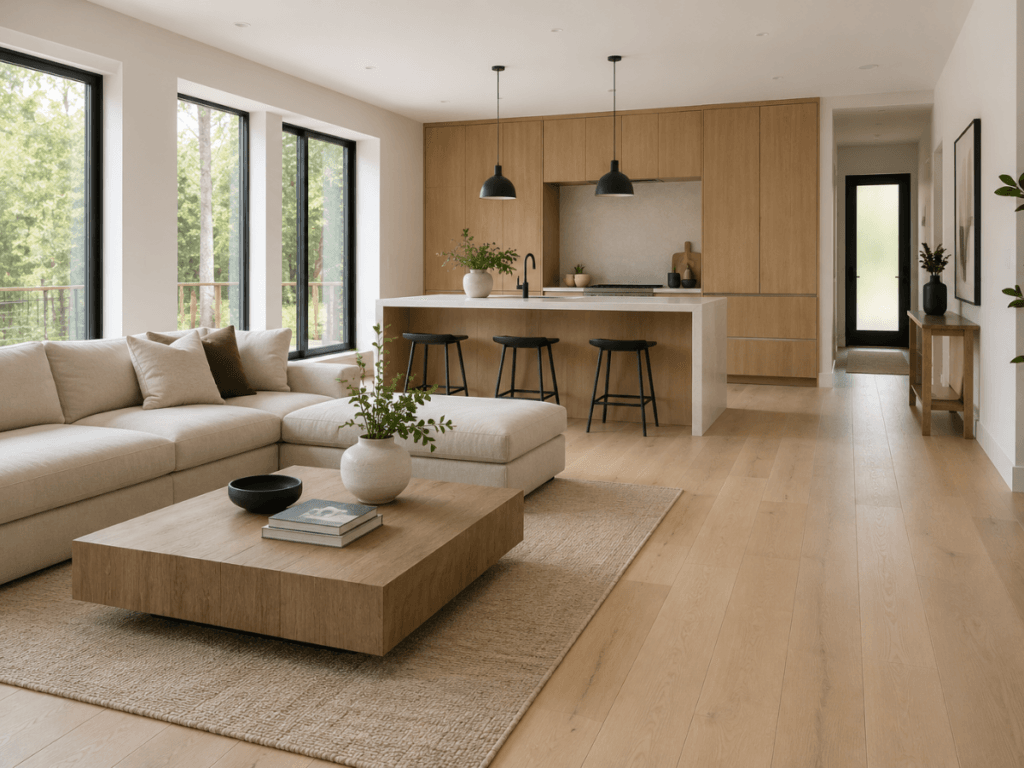
Choosing the right flooring is about more than selecting a material you like. In minimalist homes, every design decision contributes to the overall look and feel of the space. The best minimalist flooring balances clean aesthetics with practical performance, creating rooms that feel open, cohesive, and easy to live in.
Color And Texture
Color and texture have a major influence on how a room feels. Since minimalist interiors rely on simplicity rather than decoration, the flooring often becomes one of the largest visual elements in the home.
Light-colored flooring, such as natural oak, pale maple, or light-toned luxury vinyl plank, reflects more natural light and can make smaller rooms feel brighter and more spacious. These finishes pair well with neutral walls and understated furnishings, reinforcing the clean, uncluttered look associated with minimalist flooring.
Darker wood tones, on the other hand, create warmth and visual depth. They can add sophistication to larger spaces or provide subtle contrast without overwhelming the overall design.
Whichever color you choose, keeping the grain pattern and finish relatively simple helps maintain the calm, streamlined appearance that defines minimalist interiors.
Creating A Cohesive Look Throughout The Home
One of the hallmarks of successful minimalist flooring is consistency. Using the same flooring throughout connected living spaces creates visual continuity and makes the home feel larger and more unified.
When different flooring materials are necessary, such as transitioning from hardwood in the living room to tile in a bathroom, thoughtful transitions are important.
Matching tones, coordinating finishes, and using low-profile transition strips help maintain a seamless appearance instead of drawing attention to the change in materials.
A consistent color palette also supports the minimalist aesthetic. Rather than introducing dramatically different flooring styles from room to room, choose complementary materials that work together to create a balanced, cohesive design.
Choosing Flooring Based On Function
While appearance is important, functionality should always guide your final decision. Different rooms place different demands on flooring, and selecting materials based on how each space is used will improve both durability and long-term value.
High-traffic areas such as entryways, kitchens, hallways, and family rooms benefit from durable materials that resist scratches and everyday wear. Engineered hardwood offers the timeless appearance of real wood with added stability, while porcelain tile provides exceptional durability in busy areas.
Rooms that are exposed to moisture require different considerations. Luxury vinyl plank has become a popular choice because it combines water resistance with the clean appearance of wood flooring.
It performs well in kitchens, bathrooms, laundry rooms, and basements while maintaining the simple design aesthetic homeowners want.
By matching the flooring material to each room’s needs, you can preserve both the appearance and performance of your floors for years to come.
Finding The Right Flooring For Your Home
Selecting minimalist flooring often involves balancing style preferences with practical considerations like maintenance, durability, and budget. Viewing samples under your home’s natural lighting and comparing finishes against existing cabinetry, paint colors, and furniture can make the decision much easier.
Professional guidance can also help narrow the options. Flooring specialists can explain how different materials perform in specific environments and recommend products that fit both your design goals and your lifestyle.
Abel Pro Flooring offers free consultations and estimates, helping homeowners choose flooring solutions that create a clean, timeless look while meeting the practical demands of everyday living.
What Are the Best Modern Flooring Materials for Minimalist Home Design?
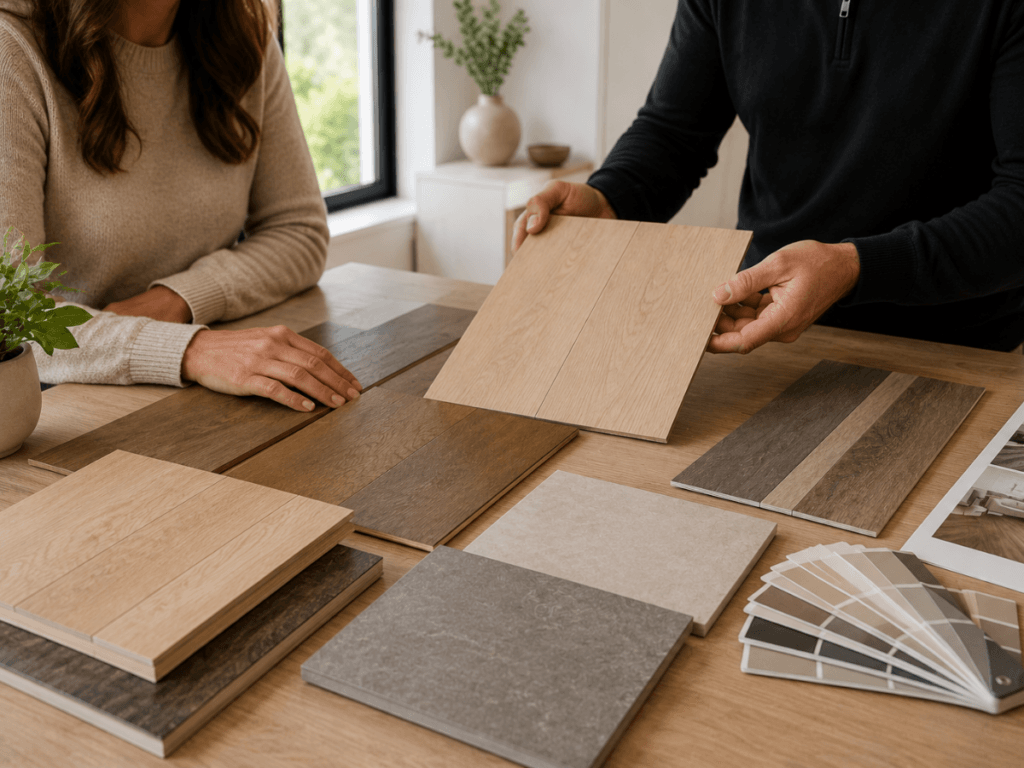
Choosing the right flooring is one of the most important decisions when designing a minimalist home. The ideal material should complement clean lines, open spaces, and a simple color palette while standing up to everyday use.
The best minimalist flooring combines timeless style with practical performance, creating a foundation that feels both modern and inviting.
While many flooring options can work in minimalist interiors, a few materials consistently stand out for their balance of durability, maintenance, and design flexibility.
How Does Engineered Hardwood Enhance Sleek Interiors?
Engineered hardwood is one of the most popular choices for minimalist flooring because it offers the natural beauty of real wood with improved stability. Unlike solid hardwood, it is constructed with multiple layers, making it more resistant to changes in humidity and temperature.
Its clean grain patterns and matte finishes fit naturally into minimalist spaces, adding warmth without making a room feel visually busy. Light oak, maple, and white oak are especially popular because they brighten interiors and pair well with neutral furnishings.
Beyond appearance, engineered hardwood performs well in living rooms, dining rooms, bedrooms, and other areas where homeowners want a timeless look with less maintenance than traditional hardwood.
Why Choose Luxury Vinyl Plank for Durable Minimalist Floors?
Luxury vinyl plank (LVP) has become a favorite for homeowners who want the appearance of wood with added durability. Modern manufacturing allows LVP to closely replicate natural hardwood while providing excellent resistance to water, scratches, and everyday wear.
Because it performs well in kitchens, bathrooms, laundry rooms, and entryways, LVP offers flexibility for homeowners who want consistent minimalist flooring throughout the house.
It is also comfortable underfoot and requires relatively little maintenance, making it a practical option for busy households with children or pets. Its wide variety of colors and finishes makes it easy to achieve a minimalist aesthetic without sacrificing performance.
Other Flooring Materials That Complement Minimalist Design
While engineered hardwood and luxury vinyl plank are among the most versatile choices, other flooring materials also work well in minimalist homes depending on the room and lifestyle.
Porcelain tile is an excellent option for areas exposed to moisture or heavy foot traffic. Its clean appearance, exceptional durability, and resistance to scratches make it well suited for kitchens, bathrooms, and mudrooms.
Large-format tiles with minimal grout lines are especially effective in minimalist interiors because they create a smooth, uninterrupted surface.
Laminate flooring can also be a good choice for homeowners seeking a budget-friendly alternative. Today’s laminate products offer realistic wood visuals while providing durability for everyday use.
Although they are generally less water-resistant than luxury vinyl plank, they can still be an attractive solution for bedrooms, living spaces, and home offices.
Comparing Popular Minimalist Flooring Materials
Each flooring material offers different strengths, so the best choice depends on your home’s needs as well as your design preferences.
| Material | Best Feature | Ideal For |
|---|---|---|
| Engineered Hardwood | Authentic wood appearance with added stability | Living rooms, bedrooms, dining areas |
| Luxury Vinyl Plank (LVP) | Water resistance and low maintenance | Kitchens, bathrooms, busy households |
| Porcelain Tile | Exceptional durability and moisture resistance | Bathrooms, mudrooms, high-traffic spaces |
| Laminate Flooring | Affordable wood-look alternative | Bedrooms, offices, living spaces |
When selecting minimalist flooring, consider more than just appearance. Think about how each room is used, how much maintenance you’re comfortable with, and how the flooring will connect visually throughout your home.
Choosing materials that balance simplicity, durability, and functionality will create a space that feels cohesive and remains beautiful for years to come.
Which Flooring Installation Services Are Available in Metro Atlanta?
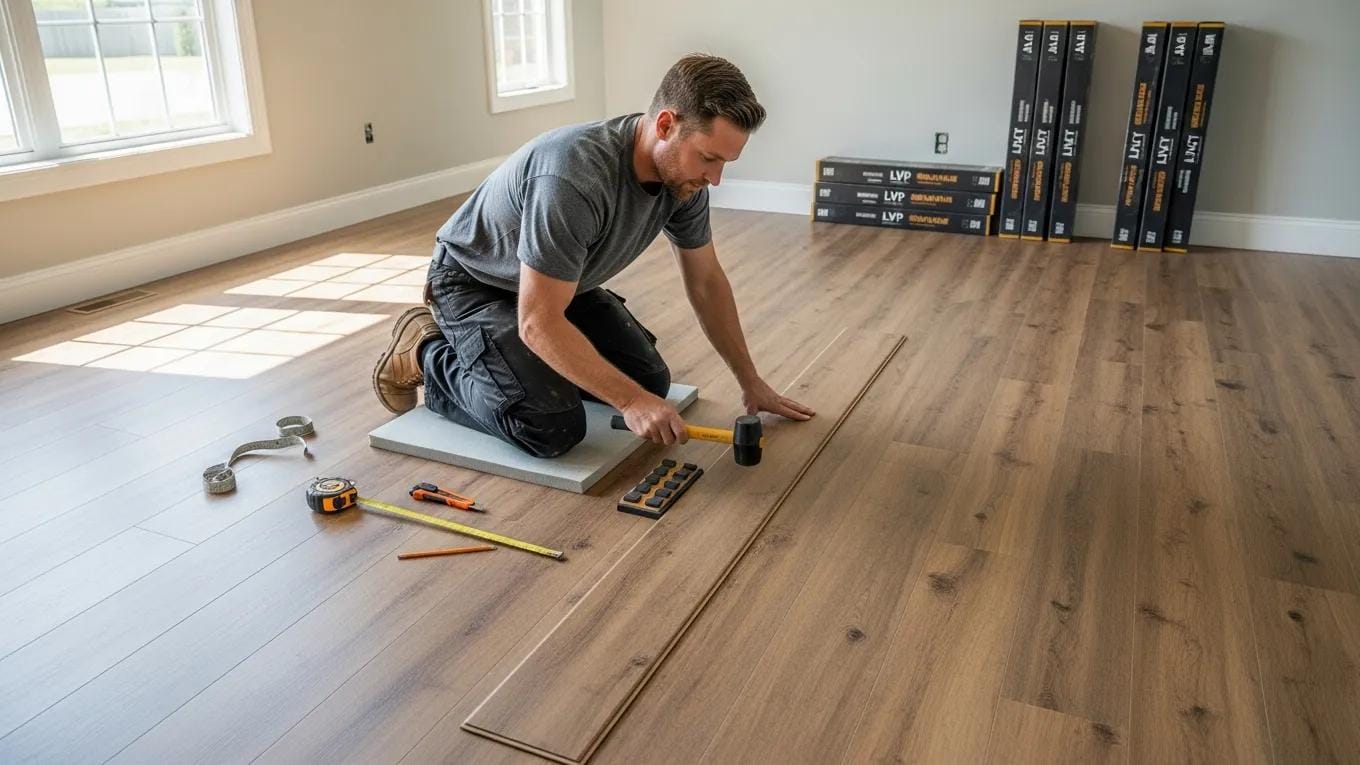
Choosing the right flooring is only part of the process. Proper installation is what ensures your investment looks great and performs well for years to come.
Even the highest-quality minimalist flooring can develop problems if it is installed incorrectly, making professional workmanship an important part of any flooring project.
Homeowners in Metro Atlanta can choose from a variety of flooring installation services depending on their needs. Abel Pro Flooring installs engineered hardwood, luxury vinyl plank, laminate, tile, and carpet, helping homeowners find solutions that fit both their design goals and their lifestyle.
Whether you’re updating a single room or renovating an entire home, professional installation helps create the clean, seamless appearance that minimalist flooring is known for.
Why Professional Installation Matters
Many flooring products are designed for durability, but they can only perform as intended when installed correctly. Uneven boards, visible gaps, lifting edges, and premature wear are often the result of installation errors rather than the flooring material itself.
Professional installers understand how different materials react to changes in temperature and humidity. They also follow manufacturer specifications, which helps preserve product warranties and reduces the likelihood of future repairs.
For minimalist flooring, precision is especially important. Clean lines, consistent spacing, and smooth transitions between rooms all contribute to the simple, uncluttered aesthetic that defines minimalist design.
How Does Local Expertise Impact Flooring Quality And Cost?
Choosing a local flooring contractor offers advantages that go beyond convenience.
Experienced professionals who work regularly in Metro Atlanta understand the area’s climate, common home construction methods, and local building requirements, allowing them to recommend flooring solutions that perform well over time.
This regional knowledge is especially valuable when selecting minimalist flooring. Changes in humidity and temperature can affect how certain materials expand, contract, or age.
A local installer can recommend products that are better suited to the local environment and advise on the best installation methods to help prevent issues such as gaps, cupping, or warping.
Local expertise can also help homeowners make more informed decisions about their budget. Contractors who regularly source materials in the area often know which products provide the best balance of quality, durability, and value.
They can also identify potential installation challenges early, helping reduce unexpected costs once the project begins.
Working with a local flooring specialist ultimately gives homeowners confidence that both the materials and installation methods are appropriate for the home, resulting in a finished floor that looks better, lasts longer, and delivers greater long-term value.
Preparing Your Home For Flooring Installation
A successful installation begins well before the first plank or tile is laid. One of the most important steps is preparing the subfloor. It should be clean, dry, level, and structurally sound so the new flooring has a stable foundation.
Depending on the material, flooring may also need time to acclimate to the home’s indoor environment before installation begins. This allows the product to adjust to the temperature and humidity, reducing the risk of expansion or contraction after installation.
Professional installers also inspect the work area for potential issues such as uneven surfaces, moisture problems, or damaged subfloors that could affect the finished result.
What Is The Installation Process For Contemporary Flooring?
Although installation methods vary depending on the material, most flooring projects follow a similar process.
The project typically begins with an assessment of the space and preparation of the subfloor. Once the surface is ready, the flooring material is carefully measured, cut, and installed according to the manufacturer’s specifications.
After installation, trim pieces and transition strips are added where needed to create a clean, finished appearance. Finally, the installer performs a walkthrough to inspect the completed work, verify that the flooring is properly secured, and ensure every detail meets quality standards.
This careful approach helps create the seamless appearance that homeowners expect from modern minimalist flooring.
Common Installation Mistakes To Avoid
Many flooring problems can be traced back to shortcuts taken during installation. Skipping subfloor preparation, failing to acclimate materials, or ignoring manufacturer recommendations can all lead to costly repairs later.
Improper spacing can cause buckling as flooring naturally expands and contracts, while poor subfloor preparation may result in uneven surfaces or squeaking over time. Choosing experienced installers helps avoid these issues and gives homeowners confidence that the flooring will perform as expected.
For homeowners in Metro Atlanta, working with an experienced flooring contractor can make the entire process smoother, from selecting the right minimalist flooring to completing a professional installation that enhances the beauty and longevity of the finished space.
How Do Flooring Options Compare for Sleek and Durable Minimalist Homes?
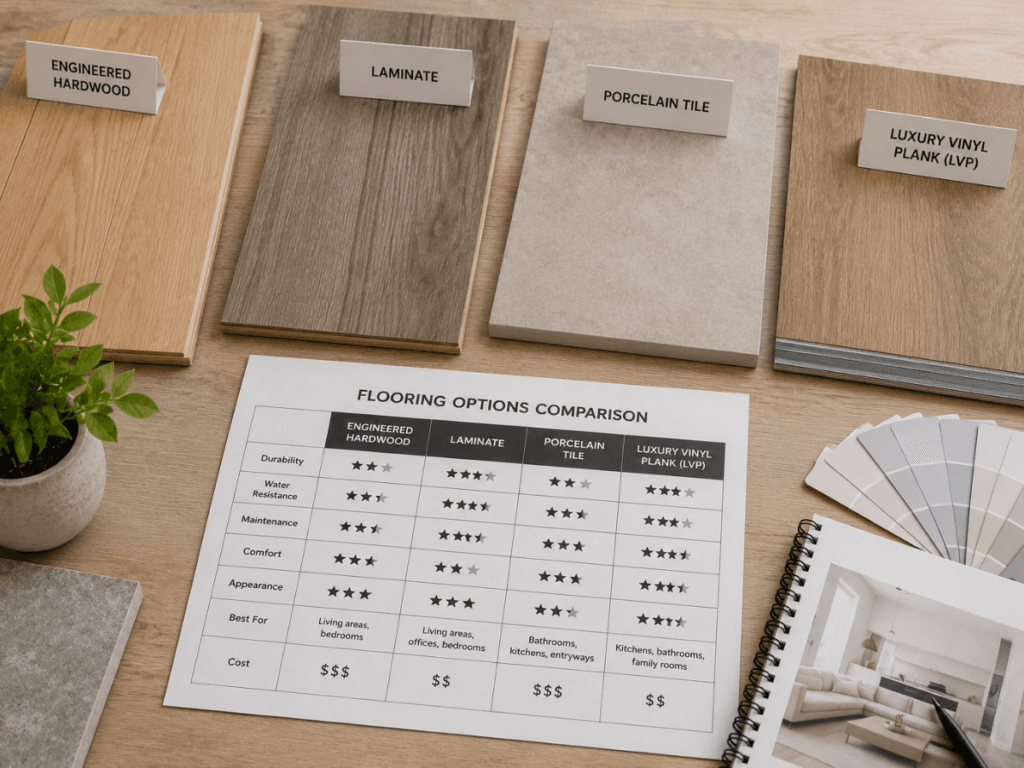
Not every flooring material offers the same balance of style, durability, and maintenance. When choosing minimalist flooring, it’s helpful to compare the strengths of each option based on how your home is used. Some materials excel in busy family spaces, while others prioritize natural beauty or moisture resistance.
Rather than focusing on a single “best” choice, think about which flooring aligns with your lifestyle, budget, and long-term design goals. The right minimalist flooring should complement your home’s clean aesthetic while providing the performance each room requires.
Engineered Hardwood Vs. Laminate
Engineered hardwood and laminate are often compared because they offer similar wood-inspired looks, but they differ in both construction and performance.
Engineered hardwood features a genuine hardwood veneer over a layered core, giving it the authentic appearance and texture of natural wood. It also offers greater stability than solid hardwood, making it a dependable choice for modern homes where humidity levels fluctuate throughout the year.
Homeowners looking for timeless minimalist flooring often choose engineered hardwood because it combines elegance with long-term durability.
Laminate flooring is a more budget-friendly alternative that uses a high-resolution printed surface to replicate the appearance of wood. Modern laminate products look more realistic than ever and resist scratches well, making them suitable for bedrooms, living rooms, and home offices.
However, laminate is generally less resistant to moisture than engineered hardwood or luxury vinyl plank, so it may not be the best choice for kitchens or bathrooms.
Porcelain Tile Vs. Luxury Vinyl Plank
Both porcelain tile and luxury vinyl plank perform exceptionally well in areas where moisture is a concern, but they offer different advantages depending on your priorities.
Porcelain tile is one of the most durable flooring materials available. It resists water, scratches, stains, and heavy foot traffic, making it an excellent option for bathrooms, kitchens, mudrooms, and laundry rooms.
Large-format porcelain tiles with simple finishes also fit naturally into minimalist interiors by creating clean, uninterrupted surfaces.
Luxury vinyl plank (LVP) offers a different experience. While highly water-resistant, it is also softer and warmer underfoot than tile, making it more comfortable for everyday living.
LVP is available in a wide range of realistic wood finishes, allowing homeowners to achieve the appearance of hardwood throughout much of the home while benefiting from easier maintenance and improved moisture resistance.
What Are The Benefits And Drawbacks Of Tile And Laminate Flooring?
Tile and laminate each have their place in minimalist home design, but understanding their limitations is just as important as knowing their strengths.
Tile is exceptionally durable and requires very little maintenance. It performs well in wet environments and maintains its appearance for decades when properly installed. The primary trade-off is comfort. Tile can feel cold and hard underfoot, which may not be ideal for every living space.
Laminate flooring, by contrast, is affordable, easy to install, and available in a wide variety of contemporary finishes. It offers an attractive solution for homeowners seeking the look of wood without the higher cost.
However, laminate is more susceptible to moisture damage than porcelain tile or luxury vinyl plank and typically has a shorter lifespan than premium flooring materials.
Ultimately, the best minimalist flooring depends on where it will be installed and how the space is used. Comparing materials side by side allows homeowners to balance appearance, durability, maintenance requirements, and budget, resulting in a flooring choice that supports both modern design and everyday living.
How Do Waterproof And Sustainable Flooring Trends Influence Choices?
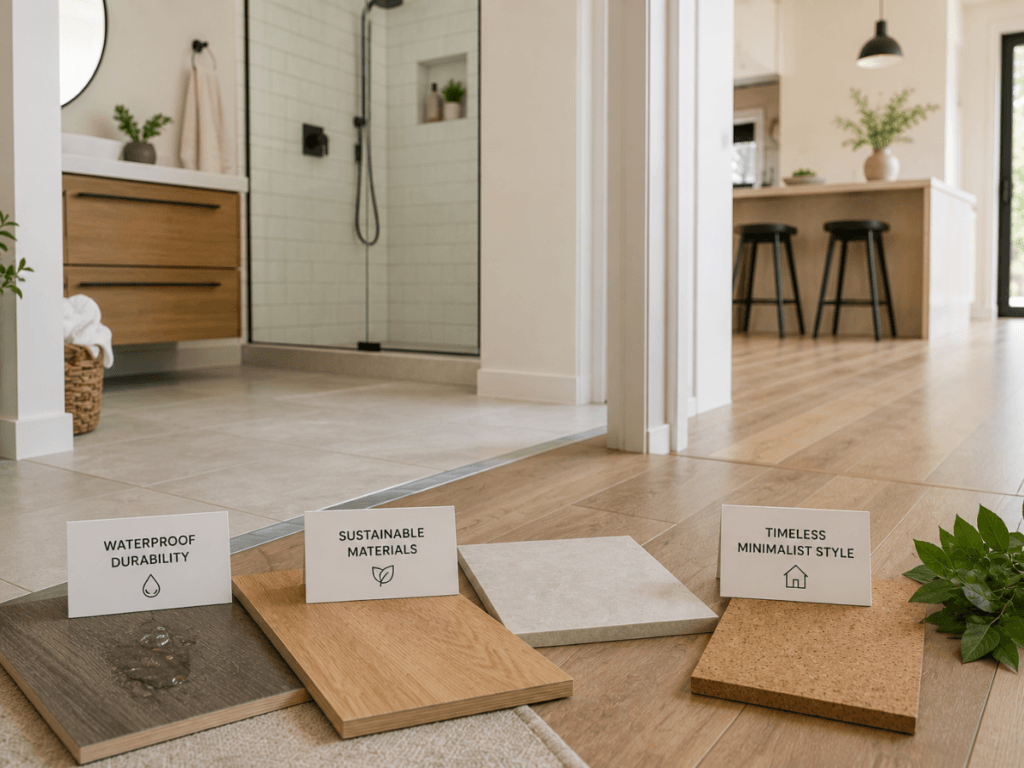
Modern homeowners are looking for flooring that does more than complement their interior design. Performance, longevity, and environmental impact have become important considerations, especially for those planning long-term renovations.
As a result, waterproof and eco-conscious materials have become some of the fastest-growing trends in minimalist flooring.
These options allow homeowners to maintain the clean, understated look of minimalist interiors while choosing products that better suit their lifestyle and personal values.
Why Waterproof Flooring Is Becoming More Popular
Waterproof flooring has become a practical choice for rooms where spills, humidity, or moisture are part of everyday life. Kitchens, bathrooms, laundry rooms, mudrooms, and even finished basements benefit from materials that resist water damage without sacrificing appearance.
Luxury vinyl plank is one of the most popular waterproof flooring options because it closely replicates the look of natural wood while offering greater protection against moisture. Porcelain tile is another excellent choice, providing exceptional durability along with complete water resistance.
For homeowners pursuing minimalist flooring throughout the home, these materials make it possible to maintain a consistent design without worrying about the limitations of traditional hardwood in moisture-prone spaces. They also tend to require less maintenance, making them well-suited for busy households.
How Sustainable Flooring Supports Minimalist Living
Minimalist design often emphasizes quality over quantity, making sustainability a natural extension of the style. Rather than replacing flooring frequently, many homeowners prefer materials that are durable, responsibly sourced, and built to last.
Bamboo has become a popular sustainable flooring option because it grows much faster than traditional hardwood species while offering impressive strength and a clean, contemporary appearance.
Cork is another environmentally friendly material that provides natural cushioning underfoot and excellent sound absorption, making it a comfortable choice for bedrooms and home offices.
Many engineered hardwood products also contribute to more sustainable construction by using a thin hardwood veneer over a layered core, reducing the amount of solid hardwood required while still delivering the warmth and beauty of real wood.
Balancing Style, Performance, And Sustainability
Choosing sustainable or waterproof materials does not mean compromising on design. Today’s products are available in a wide range of colors, textures, and finishes that complement modern interiors and support the simple, uncluttered aesthetic associated with minimalist flooring.
When comparing options, think about how each material will perform in the specific room where it will be installed. Moisture resistance may be the top priority in bathrooms, while durability and ease of maintenance may matter more in busy living areas.
If environmental impact is important, look for products made from renewable resources or manufacturers that prioritize responsible sourcing and low-emission production.
Ultimately, the best minimalist flooring combines timeless design with practical performance. By considering waterproof features alongside sustainable materials, homeowners can select flooring that not only looks beautiful but also supports a comfortable, durable, and environmentally conscious home for years to come.
Conclusion
Contemporary minimalist flooring can help create a clean, sophisticated look while providing the durability and functionality needed for everyday living.
Whether you prefer the warmth of hardwood, the versatility of luxury vinyl, or other modern flooring materials, choosing the right option can enhance the overall flow and style of your home.
Working with experienced flooring professionals ensures you’ll find a solution that complements your design goals while delivering lasting performance.
For expert flooring installation and personalized service, choose Abel Pro Flooring. If you’re ready to bring a sleek, modern look to your home, call 404-566-0749 to speak with the team at Abel Pro Flooring or request your free quote today.