
Noise has a way of traveling farther than expected, especially in busy households or multi-level homes. Footsteps, dropped items, and everyday movement can echo through floors and disrupt the comfort of your space.
Understanding the benefits soundproof flooring provide that reduce everyday noise can help you create a quieter, more controlled environment.
Soundproof flooring is designed to absorb impact and limit sound transmission between rooms, making a noticeable difference in how a home feels and functions. It can improve privacy, reduce distractions, and make shared living spaces more comfortable.
With the right flooring choice, you can minimize unwanted noise, enhance overall comfort, and create a space that feels more peaceful without major structural changes.
Benefits Soundproof Flooring for Noise Reduction
What Are The Best Flooring Sound Insulation Options For Noise Control?
Choosing the right flooring can make a noticeable difference in how sound travels through a space. Some materials naturally absorb noise, while others require added layers to achieve the same effect. Understanding the benefits soundproof flooring provides can help you decide which option fits your home or workspace.
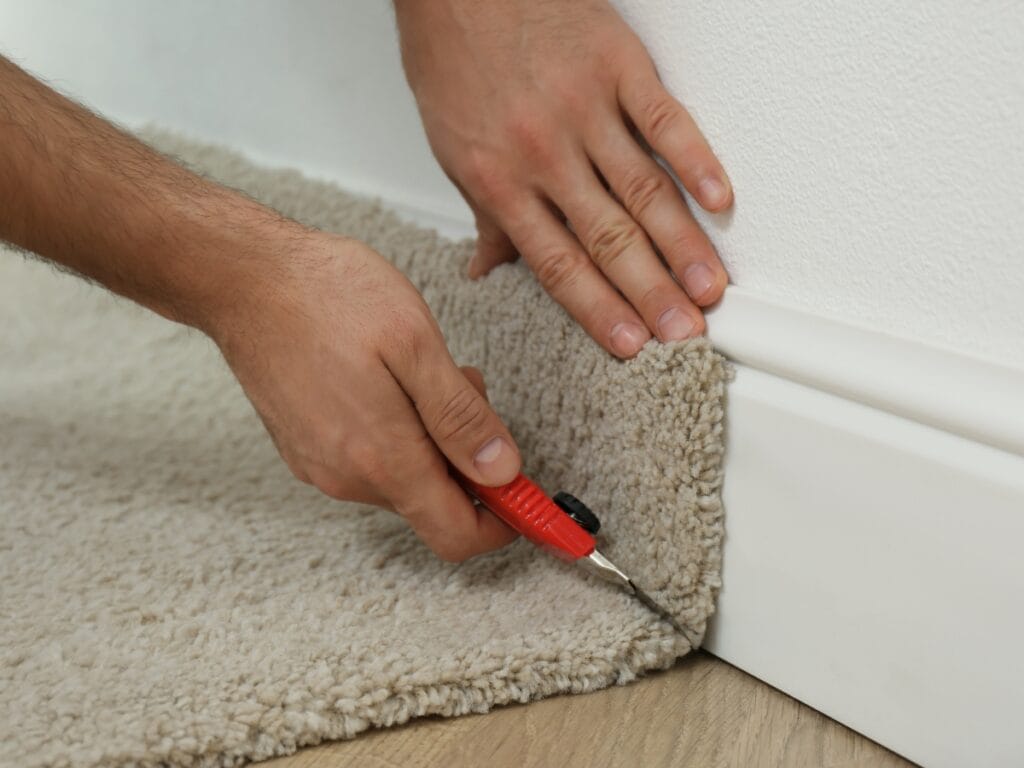
Carpet is one of the most effective choices for reducing noise. Its soft fibers absorb impact sounds, such as footsteps, and help limit echo within a room.
This makes it especially useful in bedrooms, living areas, and spaces where comfort and quiet are a priority. Carpet tiles offer similar advantages but with added flexibility, making them a practical option for offices or multi-use environments where sections may need to be replaced over time.
Beyond surface materials, acoustic underlayments are often used to improve sound control. These are installed beneath the finished flooring and work by reducing vibration and limiting how sound moves between levels. When paired with the right surface material, they can significantly enhance the overall performance of soundproof flooring.
How Acoustic Underlayments Improve Everyday Comfort
While flooring materials handle surface-level noise, underlayments address what happens beneath your feet. This is where many of the benefits soundproof flooring can offer really come into play. By adding a cushioning layer, underlayments absorb impact and reduce the transfer of sound through the structure of the building.
This is particularly helpful in multi-story homes or apartment settings, where noise can easily travel between floors. Everyday activities such as walking, moving furniture, or even dropping small objects become less disruptive when an underlayment is in place.
The effectiveness of these materials often depends on their composition. Features like density, flexibility, and internal structure all influence how well sound is absorbed. Materials designed with these properties in mind tend to deliver better results, especially when combined with other sound-reducing elements.
Which Flooring Materials Deliver The Best Noise Reduction
Different flooring materials perform differently when it comes to sound control, so the best option often depends on how the space is used. Carpet remains one of the strongest performers because it absorbs both airborne and impact noise. This makes it a reliable choice for areas where minimizing sound is a priority.
Carpet tiles provide similar sound-dampening qualities while allowing for easier maintenance and customization. In commercial settings, where durability and adaptability matter, they offer a balance between function and design.
Hard surfaces, while popular for their appearance and durability, typically reflect sound rather than absorb it. However, when paired with acoustic underlayments or area rugs, they can still contribute to a quieter environment.
This layered approach highlights the practical benefits soundproof flooring can offer, even when using materials that are not naturally sound-absorbing.
How To Choose The Right Soundproof Flooring For Your Space
Selecting the right flooring comes down to understanding how sound behaves in your specific environment. In high-traffic areas, reducing impact noise may be the main goal, while in shared spaces, limiting sound transfer between rooms or floors may take priority.
It can also help to consider how different materials work together. Combining soft surfaces with supportive underlayments often produces better results than relying on a single layer alone. This approach allows you to tailor your flooring setup based on both comfort and performance.
Over time, investing in sound-conscious flooring choices can improve the overall feel of a space. Whether you are looking to reduce noise in a busy household or create a quieter work environment, the benefits soundproof flooring provides extend beyond simple noise reduction and contribute to a more comfortable and functional setting.
What Affects The Cost Of Soundproof Flooring Solutions

When considering the benefits soundproof flooring can offer, cost is often one of the first factors homeowners think about. Pricing can vary depending on several key elements, including the type of material, the size of the space, and how complex the installation process is.
Material quality plays a major role in overall cost. Higher-end options, such as dense carpet systems or layered flooring with built-in insulation, tend to provide better sound control. While these materials come at a higher upfront price, they often deliver more noticeable results, especially in homes where noise reduction is a priority.
Room size also impacts the final investment. Larger areas require more materials and more time to install, which increases the overall cost. However, treating a bigger space can also amplify the benefits soundproof flooring provides, particularly in open layouts where sound tends to travel more freely.
How Installation Factors Influence Overall Pricing
Beyond materials, the condition of the existing floor and the complexity of the layout can affect installation costs. If the subfloor needs repairs or leveling, this adds time and labor to the project. Spaces with irregular shapes, tight corners, or multiple transitions between rooms can also require more detailed work.
Installation methods vary depending on the flooring system being used. Some soundproof solutions involve multiple layers, including underlayments that help absorb vibrations. While this adds to the initial cost, it often leads to better long-term performance.
Labor rates can differ by region as well. In areas like Metro Atlanta, pricing may reflect local demand and the experience level of installers. Getting a clear understanding of what is included in an estimate can help you compare options more effectively.
Balancing Cost With Long-Term Value
Looking at cost alone does not always provide the full picture. The real value comes from how well the flooring performs over time. Investing in materials and installation that effectively reduce noise can improve daily comfort, especially in multi-level homes or shared living spaces.
The benefits soundproof flooring delivers often extend beyond noise control. A quieter environment can make a home feel more private and relaxing, which can be especially important in busy households. Over time, this added comfort can outweigh the initial expense.
Durability is another factor to consider. Higher-quality materials tend to last longer and maintain their performance, which reduces the need for repairs or replacement. This can make them a more cost-effective choice in the long run.
How To Approach Budgeting For Your Project
When planning for soundproof flooring, it helps to think in terms of both immediate costs and long-term benefits. Setting a realistic budget allows you to explore different material options and decide where it makes sense to invest more.
Some homeowners choose to prioritize specific areas, such as bedrooms or upper floors, where noise reduction has the greatest impact. This targeted approach can help manage costs while still taking advantage of the benefits soundproof flooring offers.
Working with experienced professionals can also make the process smoother. Companies like Abel Pro Flooring can provide estimates based on your space and goals, helping you understand how different choices affect the final cost. Having this information upfront makes it easier to make informed decisions that fit your budget.
Making An Informed Investment In Sound Control
Soundproof flooring is not just about reducing noise. It is about creating a more comfortable and functional living environment. By understanding how pricing is influenced and what contributes to long-term value, you can approach the project with more confidence.
Taking the time to compare materials, evaluate installation needs, and consider how the space is used will help you get the most out of your investment. In the end, the benefits soundproof flooring provides can make a noticeable difference in how your home feels day to day.
How Soundproof Flooring Improves Everyday Living

For many homeowners, noise becomes a noticeable issue over time, whether it comes from footsteps, shared walls, or outside activity. This is where the benefits soundproof flooring can make a meaningful difference. Instead of simply reducing sound, these flooring solutions help create a calmer and more comfortable environment throughout the home.
One of the main advantages is how effectively soundproof flooring limits noise transfer. It reduces both impact sounds, such as walking or moving furniture, and airborne sounds like voices or media. This makes a home feel quieter overall, even during busy parts of the day.
Beyond noise control, these flooring options also contribute to better insulation. The added layers used in soundproof systems can help regulate temperature slightly, which supports a more consistent indoor environment. While this is not the primary purpose, it adds to the overall comfort homeowners experience.
Why Noise Reduction Matters In Residential Spaces
In residential settings, noise tends to travel more than expected, especially in multi-level homes or open floor plans. The benefits soundproof flooring provides are particularly noticeable in spaces where people spend the most time, such as bedrooms, living areas, and home offices.
For example, softer flooring materials combined with acoustic underlayments can absorb sound before it spreads to other parts of the house. This is especially helpful in households with children, pets, or frequent activity, where everyday movement can otherwise become disruptive.
Soundproof flooring also helps create separation between spaces without needing structural changes. Even simple upgrades can reduce the amount of noise that passes between floors or rooms, making it easier for everyone in the home to enjoy their own space.
How Soundproof Flooring Enhances Comfort And Privacy
Comfort in a home is not just about how it looks but also how it feels. A quieter environment can make a noticeable difference in daily routines, from relaxing in the evening to focusing during work or study hours. By limiting unwanted noise, soundproof flooring supports a more peaceful atmosphere.
Privacy is another important benefit. In shared living situations, whether with family or roommates, reducing sound transmission can help maintain a sense of personal space. Conversations, music, and other everyday sounds are less likely to carry from one room to another.
This added level of separation can make a home feel more functional, especially in spaces that serve multiple purposes. As a result, the benefits soundproof flooring offers go beyond convenience and contribute to how comfortable a home feels over time.
Blending Performance With Interior Design
While performance is a key factor, appearance still matters. Many homeowners are surprised to find that soundproof flooring options are available in a wide range of styles. From soft, textured surfaces to more modern finishes, there are choices that fit different design preferences.
This flexibility allows you to improve sound control without compromising the look of your space. Whether you prefer a warm, traditional feel or a more contemporary style, it is possible to find materials that match your vision while still delivering the benefits soundproof flooring is known for.
Choosing the right option often comes down to balancing design and function. By considering how the space is used, along with the level of noise control needed, you can select a flooring solution that supports both comfort and visual appeal.
Creating A More Livable Home Environment
Soundproof flooring is not just a technical upgrade. It is a practical way to improve how a home functions day to day. By reducing noise, enhancing privacy, and offering design flexibility, it helps create a space that feels more livable and less stressful.
Over time, these improvements can have a lasting impact on how you experience your home. The benefits soundproof flooring provides are not limited to a single room but can influence the overall atmosphere, making it a worthwhile consideration for homeowners looking to improve both comfort and quality of life.
What Homeowners Should Know Before Installing Soundproof Flooring

When exploring the benefits soundproof flooring can offer, many homeowners have practical questions about installation and performance. Understanding what to expect ahead of time can make the process smoother and help you choose the right approach for your space.
One of the most common considerations is whether installation should be handled as a do-it-yourself project or left to professionals. Another key concern is how effective these flooring systems really are when it comes to reducing noise. Both factors play a major role in the overall results you can expect.
Should You Install Soundproof Flooring Yourself Or Hire A Professional?
Some homeowners consider installing soundproof flooring on their own, especially if they have experience with basic flooring projects. While this can work in certain cases, soundproofing often requires more precision than standard flooring installation.
Proper placement of materials is critical for achieving the full benefits soundproof flooring is designed to provide. Layers such as acoustic underlayments must be installed correctly to reduce vibration and prevent sound from traveling through the structure. Even small gaps or uneven surfaces can limit effectiveness.
Professional installers are familiar with these details and can ensure that each component works as intended. They also understand how to handle challenges like uneven subfloors or complex layouts.
While hiring professionals may increase the upfront cost, it often leads to better long-term performance and fewer issues down the line.
How Effective Is Soundproof Flooring In Reducing Noise?
The effectiveness of soundproof flooring depends on both the materials used and the quality of installation. Not all flooring systems perform the same, and results can vary depending on the type of noise you are trying to reduce.
For example, softer surfaces like carpet tend to absorb impact noise, such as footsteps or dropped objects. When combined with acoustic underlayments, they can significantly reduce how much sound travels between floors.
Hard surfaces can also perform well when paired with the right supporting layers, although they typically require more attention to detail during installation.
Research on flooring systems has shown that adding floating layers or specialized insulation materials can greatly improve sound reduction. These layered systems help limit vibration and reduce the transmission of impact noise, which is often one of the most noticeable issues in residential settings.
While no flooring solution can completely eliminate sound, the benefits soundproof flooring provides are often enough to create a much quieter and more comfortable environment.
What Factors Influence Installation Results
Several factors can affect how well soundproof flooring performs once installed. The condition of the existing subfloor is one of the most important. If the base layer is uneven or damaged, it can interfere with how the soundproofing materials function.
The type of building structure also plays a role. In multi-level homes or apartments, sound tends to travel more easily between floors, which makes proper installation even more important. Choosing the right combination of materials for your specific layout can help improve results.
Additionally, the type of noise you are trying to manage matters. Impact noise, such as footsteps, is usually easier to reduce than airborne sound like voices or music. Understanding this difference can help set realistic expectations for what soundproof flooring can achieve.
Making The Right Choice For Your Space
Deciding how to approach soundproof flooring installation comes down to your goals, budget, and the level of noise you want to address. Taking the time to evaluate these factors can help you get the most out of your investment.
Whether you choose to install it yourself or work with a professional, the key is to focus on proper preparation and material selection. When done correctly, the benefits soundproof flooring offers can make a noticeable difference in how your home feels on a daily basis, creating a quieter and more comfortable living space.
Where To Find Real Examples Of Soundproof Flooring In Action
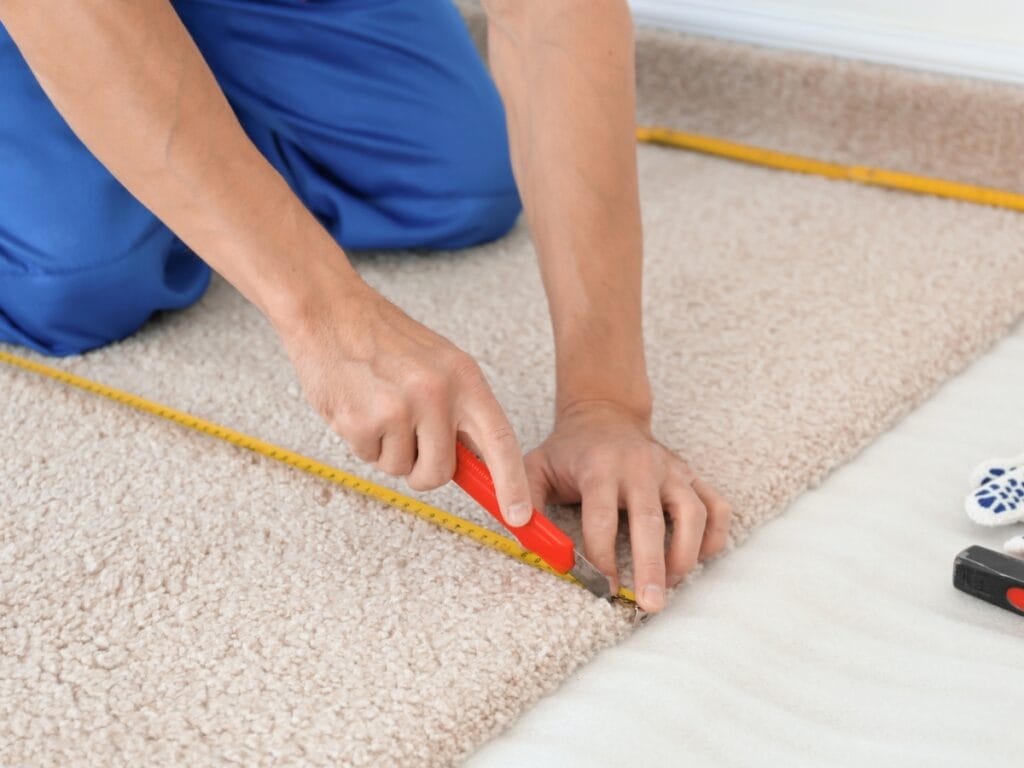
Before investing in any flooring upgrade, many homeowners want to see how it performs in real situations.
Looking at local case studies and customer experiences can give you a clearer understanding of the benefits soundproof flooring can provide. These examples often highlight what works well, what to expect during installation, and how noticeable the results can be over time.
In areas like Metro Atlanta, soundproof flooring has been used in a range of homes, from multi-level houses to shared living spaces. These projects offer a practical look at how different materials and installation methods come together to reduce noise and improve comfort.
What Local Projects Reveal About Noise Reduction
Recent local projects in residential settings show how soundproof flooring can address common noise concerns. In homes with upper-level bedrooms or active living spaces, reducing footstep noise is often a priority.
Installing layered flooring systems with acoustic underlayments has helped limit how sound travels between floors, creating a quieter environment for everyone.
In open-concept layouts, where sound tends to carry more easily, homeowners have used soundproof flooring to create a more balanced atmosphere. By absorbing excess noise, these solutions make it easier to enjoy everyday activities without constant background disruption.
These case studies also highlight how different combinations of materials perform. For example, pairing softer surfaces with supportive underlayers often produces better results than relying on a single material.
This reinforces the idea that the benefits soundproof flooring offers depend on how well each component works together.
How Homeowners Describe Their Experience
Customer feedback provides another useful perspective, especially when it comes to day-to-day living. Many homeowners mention that the difference in noise levels becomes noticeable soon after installation. Sounds that were once distracting, such as footsteps or movement from other rooms, become much less prominent.
Beyond noise reduction, reviews often point to improved comfort. A quieter home can feel more relaxing, which makes a difference in how spaces are used.
Whether it is creating a calmer bedroom environment or reducing distractions in a home office, these changes can have a lasting impact.
Homeowners also tend to comment on the importance of proper installation. Positive experiences are often tied to careful planning and attention to detail during the process. This reinforces the idea that the benefits soundproof flooring provides are closely linked to how well it is installed.
What Reviews Say About Service And Installation Quality
Customer reviews are not only about the finished result. They also reflect how smoothly the project was handled from start to finish. Clear communication, accurate timelines, and attention to detail during installation are often mentioned as key factors in overall satisfaction.
When working with experienced flooring professionals, homeowners are more likely to receive guidance on selecting the right materials for their specific needs. This can make a noticeable difference in performance, especially in homes where noise control is a primary concern.
Consistent feedback about reliable service and quality workmanship can help you feel more confident when choosing a provider. It also gives insight into what you can expect during your own project.
Using Real Experiences To Guide Your Decision
Looking at local examples and customer feedback is one of the most practical ways to evaluate your options. Instead of relying only on product descriptions, you can see how soundproof flooring performs in everyday situations.
These insights make it easier to set realistic expectations and choose solutions that align with your goals. Whether you are focused on reducing noise between floors or creating a quieter overall environment, real-world experiences highlight how the benefits soundproof flooring can translate into everyday comfort.
Taking the time to review case studies and testimonials can help you make a more informed decision, ensuring that your investment leads to results you can notice and appreciate over time.
Transform Your Home Environment with Soundproof Flooring
Soundproof flooring offers more than just noise reduction—it transforms the way you experience your home by creating quieter, more peaceful environments where everyday disturbances fade into the background.
From cork and luxury vinyl plank to acoustic underlayments beneath hardwood, these solutions absorb impact noise, reduce echo, and provide a sense of calm in busy households. For expert guidance in selecting and installing flooring that delivers both beauty and tranquility, trust Abel Pro Flooring.
Ready to enjoy a quieter, more comfortable home? Call 404-566-0749 or visit our website for a free quote today. Let our team help you choose the perfect soundproof flooring solution for your lifestyle, room by room.