A carpet can look great on the surface, but its comfort and durability depend heavily on what’s underneath. Padding plays a critical role in how your floors feel, wear, and perform over time.
For Metro Atlanta homeowners, factors like humidity, foot traffic, and everyday use make choosing the right padding even more important.
This carpet installation padding guide covers the types and benefits you should consider before making a decision. Different materials, densities, and thickness levels affect cushioning, insulation, and how well your carpet holds up in different areas of the home.
With the right padding in place, you can improve comfort underfoot, extend the life of your carpet, and get better long-term value from your flooring investment.
Carpet Installation Padding Guide for Comfort and Support
What Are the Main Types of Carpet Padding Available?
Choosing the right padding is an important part of any flooring project, yet it is often overlooked. A good carpet installation padding guide should help you understand how different materials affect comfort, durability, and overall performance.
While carpet itself gets most of the attention, the padding underneath plays a major role in how the floor feels and holds up over time.
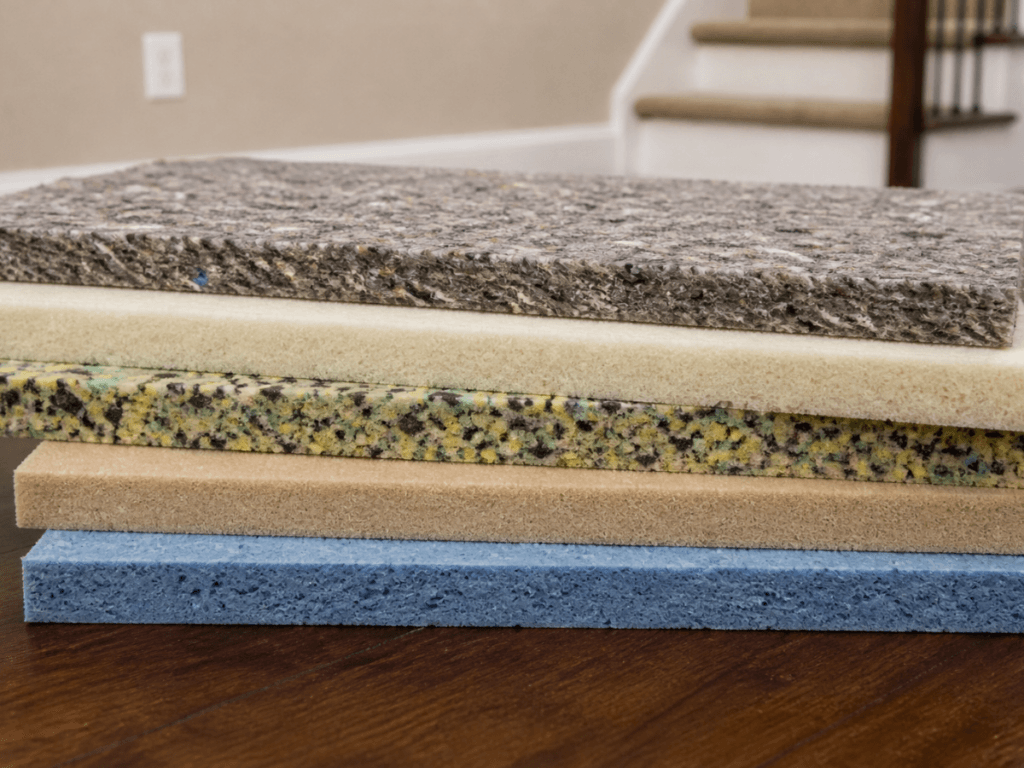
There are several common types of carpet padding, each designed for a different purpose. Foam padding is one of the most widely used options because it provides a soft, cushioned feel underfoot. It works well in living rooms and bedrooms where comfort is a priority.
Rubber padding, on the other hand, is known for its strength and resilience. It is often chosen for areas that see more foot traffic because it holds its shape and support longer.
Fiber padding offers a more budget-friendly alternative. It is typically made from compressed materials and provides a firmer surface compared to foam.
Recycled padding is another option that appeals to homeowners looking for a more sustainable choice. It is made from repurposed materials and can still deliver solid performance in many residential settings.
Understanding these differences is a key step in following a carpet installation padding guide that leads to the right decision for your space.
How Does Foam Carpet Padding Enhance Comfort?
Foam padding is often selected for its ability to create a softer, more comfortable walking surface. It acts as a buffer between the carpet and the subfloor, helping to absorb impact with each step. This can reduce strain on your feet and joints, especially in areas where you spend a lot of time standing or walking.
The level of comfort depends on both the thickness and density of the foam. Thicker padding tends to feel softer, while denser padding offers more support and durability.
Finding the right balance is important, since overly soft padding can sometimes reduce the lifespan of the carpet by allowing too much movement.
Another benefit of foam padding is how it helps protect the carpet itself. By absorbing daily wear, it reduces stress on the carpet fibers, which can help maintain the appearance of the flooring over time. This makes it a practical option for homeowners who want both comfort and long-term value.
What Are The Advantages Of Recycled And Fiber Carpet Padding?
Recycled and fiber padding offer a different set of benefits, particularly for those who want a more practical or environmentally conscious solution.
Recycled padding is made from reused materials, which helps reduce waste while still providing reliable performance. It often delivers a good balance of support and insulation, making it suitable for a range of rooms.
Fiber padding is typically firmer than foam, which can be helpful in spaces where stability is more important than softness. It tends to hold its shape well, making it a solid choice for areas with steady foot traffic.
Because it is often more affordable, it can also be a good fit for larger projects where budget plays a bigger role. Both options can contribute to a healthier indoor environment when made from low-emission materials.
This is something many homeowners consider when following a carpet installation padding guide that looks beyond just comfort and cost.
Choosing The Right Padding For Your Space
Selecting the right padding comes down to how each room is used. Softer options may work best in spaces designed for relaxation, while firmer materials may be better suited for hallways or other high-use areas.
Taking the time to match the padding to your lifestyle can make a noticeable difference in both comfort and durability. A well-informed choice ensures that your carpet performs as expected, not just in the first few months but for years to come.
By understanding the strengths of each type, you can use a carpet installation padding guide to make a decision that fits your home and your needs.
What Are The Key Benefits Of Using Carpet Cushion?
A well-chosen carpet cushion does more than just sit beneath your flooring. It plays a key role in how your carpet feels, performs, and lasts over time. Any reliable carpet installation padding guide will highlight padding as an essential component, not an optional add-on.
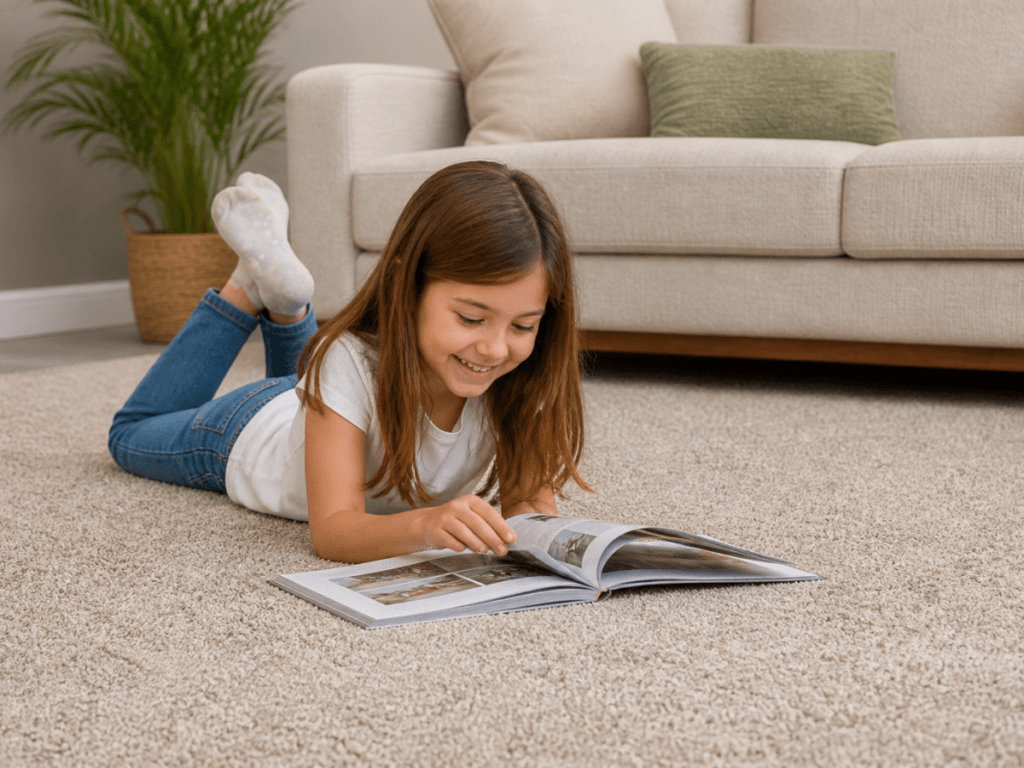
One of the most noticeable benefits is comfort. Padding creates a softer surface underfoot, which makes everyday activities like walking or standing feel easier on your body. This is especially helpful in areas where you spend more time on your feet, such as living rooms or hallways.
Beyond comfort, padding also helps protect your investment. By absorbing impact from foot traffic, it reduces the stress placed directly on carpet fibers. Over time, this can make a meaningful difference in how well your carpet holds its shape and appearance.
Another advantage is sound control. Padding helps reduce noise by softening footsteps and limiting how sound travels between rooms. This can make a home feel quieter and more comfortable, especially in multi-level spaces.
How Does Carpet Padding Improve Durability And Insulation?
Durability is one of the main reasons padding is included in any carpet installation padding guide. Without a proper cushion underneath, carpets tend to wear out more quickly because they are exposed to direct pressure from daily use.
Padding acts as a supportive layer that helps distribute weight more evenly across the surface. This support reduces strain on specific areas, which can prevent early signs of wear such as matting or thinning.
Over time, this can extend the life of the carpet, making padding a practical choice for homeowners who want their flooring to last.
Padding also contributes to insulation. It creates a barrier between the carpet and the subfloor, helping regulate temperature within the room.
During colder months, this added layer can help retain warmth, while in warmer conditions it can reduce heat transfer from below. While the effect may seem subtle, it can contribute to a more comfortable indoor environment throughout the year.
Can Carpet Padding Affect Indoor Air Quality And Energy Efficiency?
Carpet padding can influence indoor air quality, especially depending on the materials used. Higher-quality padding made with low-emission or non-toxic materials can help reduce the presence of irritants in the home.
This is an important consideration for households that are sensitive to allergens or looking to maintain a cleaner indoor environment. In addition to air quality, padding can also play a role in energy efficiency.
Because it helps with insulation, it can support more stable indoor temperatures. This means heating and cooling systems may not need to work as hard to maintain comfort, which can lead to modest energy savings over time.
These benefits are often overlooked, but they are part of what makes padding an important factor in overall flooring performance. A thoughtful carpet installation padding guide will always consider not just how the carpet looks, but how it functions as part of the home.
Why Padding Should Be Part Of Your Flooring Decision
When selecting carpet, it is easy to focus on color, texture, and style. However, the padding underneath has just as much impact on how the flooring performs day to day. From comfort and durability to insulation and air quality, padding influences several aspects of the overall experience.
Taking the time to choose the right cushion ensures that your carpet feels better, lasts longer, and supports a more comfortable home environment. By following a carpet installation padding guide that includes these considerations, homeowners can make a more informed and practical decision for their space.
How To Choose The Right Carpet Padding For Your Home
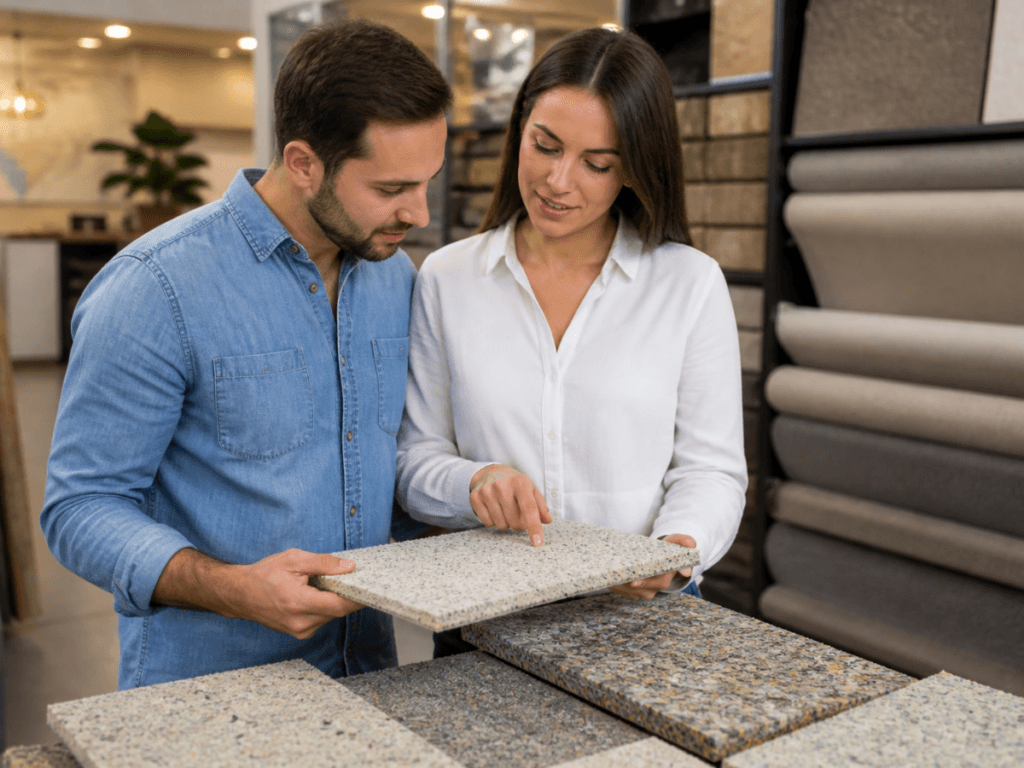
Choosing the right padding is a key step in any carpet installation padding guide, yet it is often overlooked. The type of padding you select directly affects how your carpet feels, how long it lasts, and how well it performs in everyday use.
Instead of focusing on just one feature, it helps to look at the full picture, including material, structure, and how the space will be used. Material plays a major role in performance. Foam padding is a common choice for comfort and affordability, while rubber options tend to offer more durability and support.
Fiber and recycled padding appeal to homeowners who want a more eco-conscious option without sacrificing basic performance. Each material brings something different, so the right choice depends on your priorities.
Thickness and density are just as important. Thicker padding may feel softer underfoot, but it is not always the best option for every type of carpet.
In some cases, a denser, slightly thinner pad provides better long-term support and helps prevent the carpet from wearing unevenly. A well-balanced combination of thickness and density will give you both comfort and stability.
Your lifestyle also matters. Homes with pets, children, or frequent foot traffic will benefit from more resilient padding that can handle daily wear.
In quieter areas of the home, comfort may take priority over durability. Budget naturally plays a role as well, but it is often worth considering padding as a long-term investment rather than a place to cut corners.
What Factors Should Metro Atlanta Homeowners Consider?
For homeowners in Metro Atlanta, local conditions can influence the best choice of carpet padding. The region’s warm and often humid climate makes moisture resistance and airflow important considerations.
Padding that helps reduce moisture buildup can support a healthier indoor environment and protect the flooring system over time.
Lifestyle patterns in the area also come into play. Busy households or homes that frequently host guests may need padding that holds up well under consistent use. In contrast, spaces like bedrooms or formal living areas can prioritize comfort and softness without the same level of wear resistance.
Another factor to consider is how different rooms are used. A single type of padding may not be ideal for every part of the home. High-traffic zones such as hallways or family rooms often benefit from firmer support, while private areas can accommodate a more cushioned feel.
A thoughtful carpet installation padding guide will always take room-by-room needs into account rather than applying a one-size-fits-all approach.
How Do Carpet Underlay Options Compare In Cost And Performance?
Cost is often the first thing people look at when comparing padding options, but performance over time is just as important. Lower-cost padding may seem appealing upfront, yet it can wear down more quickly and reduce the lifespan of the carpet above it. This can lead to earlier replacement, which increases overall costs in the long run.
Higher-quality padding usually offers better durability and support. It helps maintain the structure of the carpet, reduces visible wear, and improves comfort underfoot. In many cases, spending a little more initially can result in fewer repairs and replacements later.
Performance also includes factors like insulation and sound absorption. Some padding options help regulate indoor temperature and reduce noise, adding to overall comfort in the home. These benefits may not be immediately obvious, but they contribute to how the space feels day to day.
Ultimately, choosing the right padding comes down to balancing cost with long-term value. By following a carpet installation padding guide that considers both performance and budget, homeowners can make a decision that supports comfort, durability, and overall satisfaction with their flooring.
What Is the Professional Carpet Padding Installation Process?
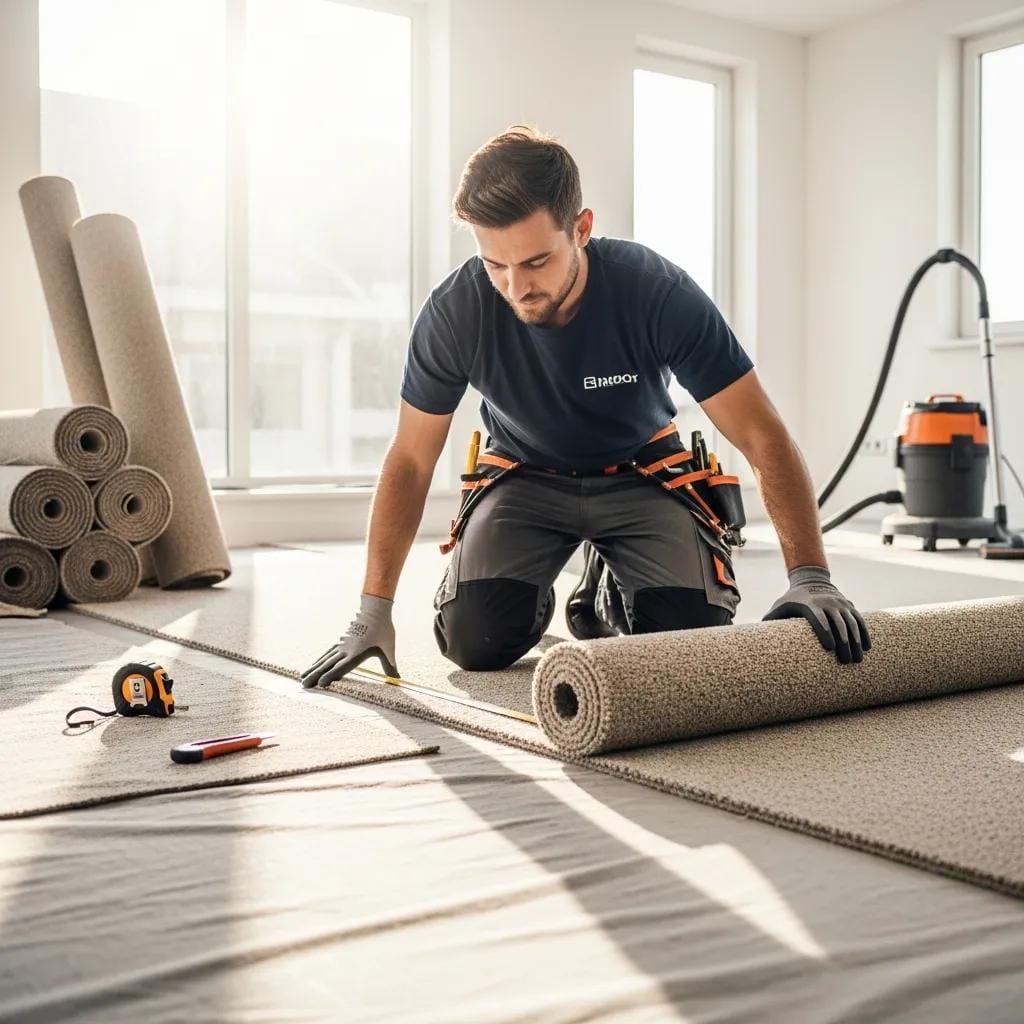
A well-executed installation makes all the difference in how your carpet feels and performs over time. In any carpet installation padding guide, this stage is just as important as choosing the right materials. Even high-quality padding will not deliver the expected results if it is installed incorrectly.
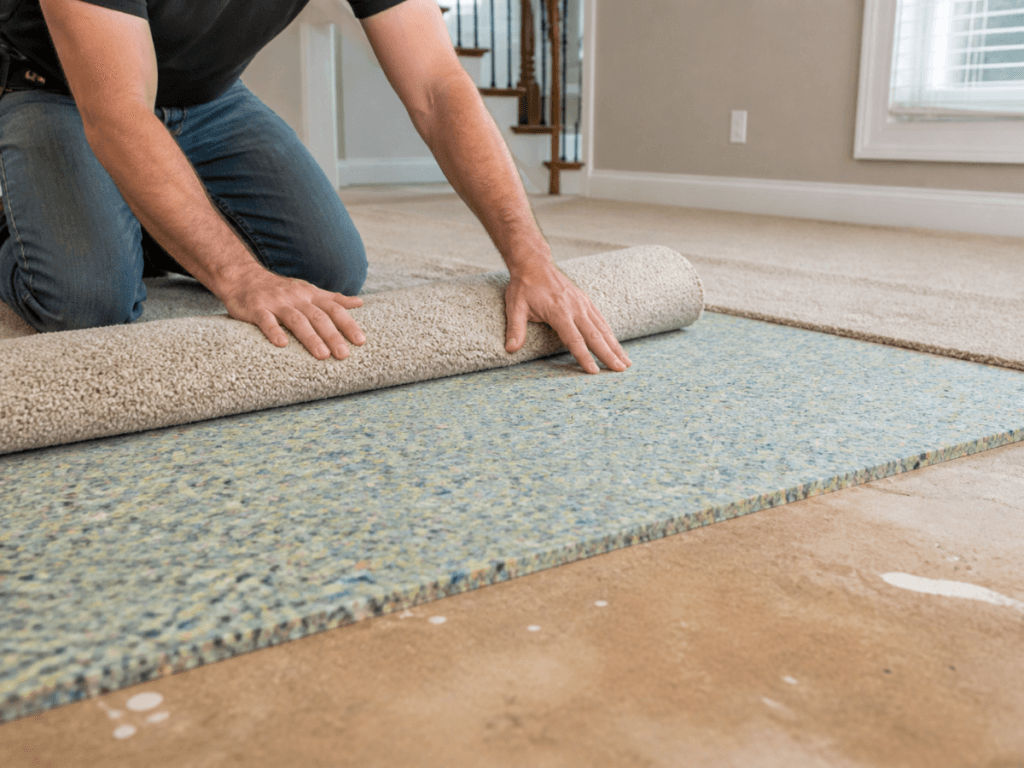
The process begins with proper preparation. The subfloor must be clean, dry, and level before any padding is laid down. Dust, debris, or uneven spots can affect how the padding sits and may lead to premature wear.
Taking the time to prepare the surface ensures a more stable foundation and helps the entire flooring system last longer. Once the space is ready, the padding is measured and cut to fit the room precisely. This step requires attention to detail, especially around corners, edges, and doorways.
A clean, accurate fit prevents gaps or overlaps that could create uneven spots under the carpet. At this stage, installers also consider how the padding will align with seams and transitions between rooms.
The final step involves securing the padding in place and preparing it for the carpet installation. Depending on the type of padding and subfloor, professionals may use adhesive, staples, or tack strips to keep everything firmly positioned.
This ensures the padding stays in place over time and continues to provide consistent support.
What Steps Are Involved In Expert Carpet Padding Installation?
While the overall process may seem straightforward, expert installation follows a clear sequence that helps avoid common issues. It starts with accurate measurements, which are essential for minimizing waste and ensuring a proper fit.
Cutting the padding correctly is not just about size, but also about maintaining clean edges that align well with the carpet above. After cutting, the padding is carefully placed and adjusted to eliminate wrinkles or uneven areas.
This step is often overlooked in DIY projects, but it plays a major role in the final feel of the flooring. Even small inconsistencies can become noticeable once the carpet is installed.
Securing the padding comes next. Professionals use techniques that match the specific materials involved, ensuring the padding remains stable without damaging the subfloor. Once the padding is in place, the carpet is installed over it, creating a finished surface that feels smooth and supportive underfoot.
A reliable carpet installation padding guide will always emphasize the importance of precision at each stage. Small mistakes during installation can affect comfort, durability, and even the appearance of the carpet.
How Does Abel Pro Flooring Ensure Quality And Customer Satisfaction?
Working with experienced professionals can make the entire process more efficient and reliable. Abel Pro Flooring focuses on delivering consistent results by combining proper installation methods with high-quality materials.
Their approach is centered on careful planning, clear communication, and attention to detail at every stage of the project. Before installation begins, they assess the space and recommend padding options that suit the homeowner’s needs.
This includes considering factors like foot traffic, room function, and long-term performance. By tailoring their recommendations, they help ensure the finished flooring meets both practical and aesthetic expectations.
During installation, their team follows proven techniques to achieve a clean and secure fit. They take the time to prepare the subfloor properly, cut materials accurately, and install the padding with precision. This level of care reduces the risk of issues down the line and contributes to a more comfortable, durable result.
After the project is complete, homeowners are given guidance on how to maintain their carpet and padding. This ongoing support helps protect the investment and keeps the flooring performing well over time.
A thorough carpet installation padding guide is not just about the initial setup, but also about ensuring long-term satisfaction with the finished space.
Making the Right Choice for Your Carpet Installation
Choosing the right carpet padding is just as important as selecting the carpet itself—it affects comfort, durability, insulation, and even the lifespan of your flooring.
From memory foam for luxurious softness to dense rubber for high-traffic areas and moisture-resistant options for basements, understanding the types and benefits helps you make a smart investment in your Metro Atlanta home.
For professional guidance and expert carpet flooring installation, trust Abel Pro Flooring. Ready to enjoy a more comfortable, longer-lasting carpet? Call 404-566-0749 or visit our website for a free quote today. Let our team help you choose the perfect padding to enhance every step you take.